

DJI’s Osmo Pocket 4P brings D-Log2 and a 17-stop dynamic-range promise
A new D-Log2 format plus 17 stops of dynamic range signals DJI wants creators to trust the Pocket for grading-heavy workflows.
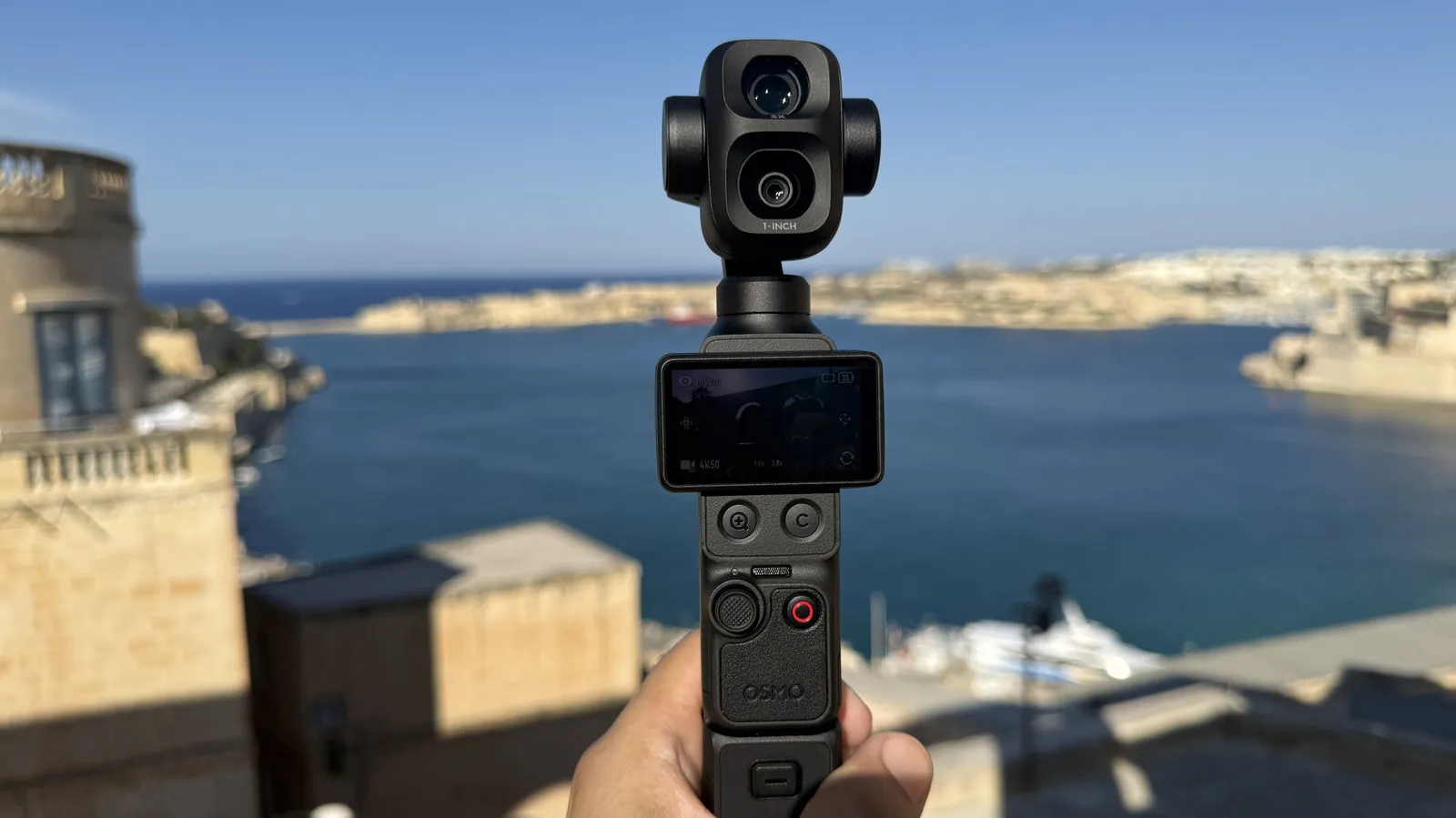
DJI’s Osmo Pocket 4P introduces a new D-Log2 format and promises 17 stops of dynamic range. For decision-makers evaluating camera ecosystems, it is another nudge toward “shoot now, perfect later” pipelines.
DJI’s Osmo Pocket 4P just added a new D-Log2 format and is promising 17 stops of dynamic range. That number matters because dynamic range is the difference between footage that breaks when the lighting gets messy and footage that holds detail from bright highlights to deep shadows. In other words, the company is positioning the Pocket 4P as a camera that can survive real-world contrast, not just controlled studio conditions.
The hook is simple and very creator-relevant: D-Log2 is the imaging format, and the 17 stops promise is the output ceiling DJI says you can extract from that format. In practical terms, a high-stop log pipeline is what lets creators lean on post production to rescue exposures, retain highlight detail, and maintain texture in dark areas. When a handheld camera claims serious dynamic range, it is not just a spec flex. It is a workflow bet: fewer “get it right in camera or you are done” moments, and more room to refine after the shoot.
To understand why this is strategically interesting, zoom out to what dynamic range actually controls in modern content production. Most teams today work in a timeline where color grading and correction are routine. Once you adopt log formats and build a repeatable post process, the camera is judged on how much latitude it gives you when reality punches back. Contrast spikes, backlit subjects, and fast-changing light are normal, not exceptional. If the Osmo Pocket 4P can truly deliver 17 stops in the context of its D-Log2 workflow, it gives creators another reason to treat the Pocket as a primary camera rather than a convenience camera.
DJI is already synonymous with consumer and prosumer stabilization and capture. The Osmo Pocket line is designed to be the “grab it and go” option. A push toward higher dynamic range and a new log format suggests DJI is trying to blur the line between compact convenience and higher-end grading-friendly capture. That has second-order implications for content creators and the platforms that support them, because when more footage is shot in a log-ready format, editors can standardize looks across devices. Standardization is how teams scale: one grading approach, consistent results, and less time re-learning each new camera’s quirks.
There is also a regulatory and standards backdrop, even when a product launch looks purely technical. Camera formats, especially log profiles and dynamic range performance, often intersect with broadcast and professional deliverable expectations. Teams working toward those deliverables typically need predictable color science, manageable noise behavior, and reliable highlight handling. While this Engadget source only confirms that the Pocket 4P introduces a new D-Log2 format and promises 17 stops of dynamic range, the broader point for decision-makers is that camera ecosystems live or die on trust. If your footage is going into client deliverables, your “latitude” claim becomes operational risk. Higher claimed dynamic range can be a competitive advantage, but it also raises the bar for real-world consistency.
For executives making platform and partnership decisions, the strategic stake is ecosystem gravity. DJI’s move does not just affect whether creators buy the hardware. It affects whether they keep using DJI capture habits, whether they build reusable grading presets, and whether their team standardizes on DJI devices for speed. If the Pocket 4P becomes a go-to log capture option, it can reinforce DJI’s position across capture workflows, accessory ecosystems, and software tools that integrate with footage.
For peers in adjacent camera categories, this is a reminder that “dynamic range” is no longer only a spec-sheet concern. It is a buying criterion because it directly impacts post production effort. A log format that supports a high-stop promise can reduce the pressure on perfect exposure, which changes how creators plan shoots, how teams budget time, and how reliably they can deliver under tight schedules.
The Osmo Pocket 4P is therefore not just another compact camera update. It is DJI trying to win the workflow fight by pairing a new D-Log2 format with a 17-stop dynamic range promise. If you are an operator, a creator lead, or an investor tracking capture tech, that is the moment to watch: the company is betting that creators value latitude enough to standardize around the Pocket 4P. The upside is obvious. If it delivers, it can move a compact device deeper into professional-grade grading habits. If it does not, it becomes harder for DJI to defend trust in a market where “promises” get tested in the first difficult lighting scenario.
This story's Key Insights and Take-aways are locked.
Create a free account to unlock Executive Actions for one credit.
Register to UnlockAlways free for Executives Club members. Join the Club
More in Technology

Nvidia's $89B data center quarter: the 9 companies cashing in
The AI buildout is minting fortunes beyond GPUs, and memory, cloud, and cooling suppliers are riding the same wave.

Google quietly links your phone number to every Android account on your SIM
Adding a SIM now ties your phone number to all Google accounts - and future accounts inherit it. Here's the security and privacy stakes.

Hijacker AI 'Skynet mode' runs 100,000 attack steps against exposed models
Symantec caught a criminal AI agent that borrows other models, steals data, and mines crypto; the only relief is no confirmed victims yet.