
Doctor Doom swaps his iconic look for a blue Fantastic Four-inspired suit before Avengers: Doomsday
Marvel teases Victor von Doom wearing a new blue costume, signaling shifting allegiances right before the big-screen event.
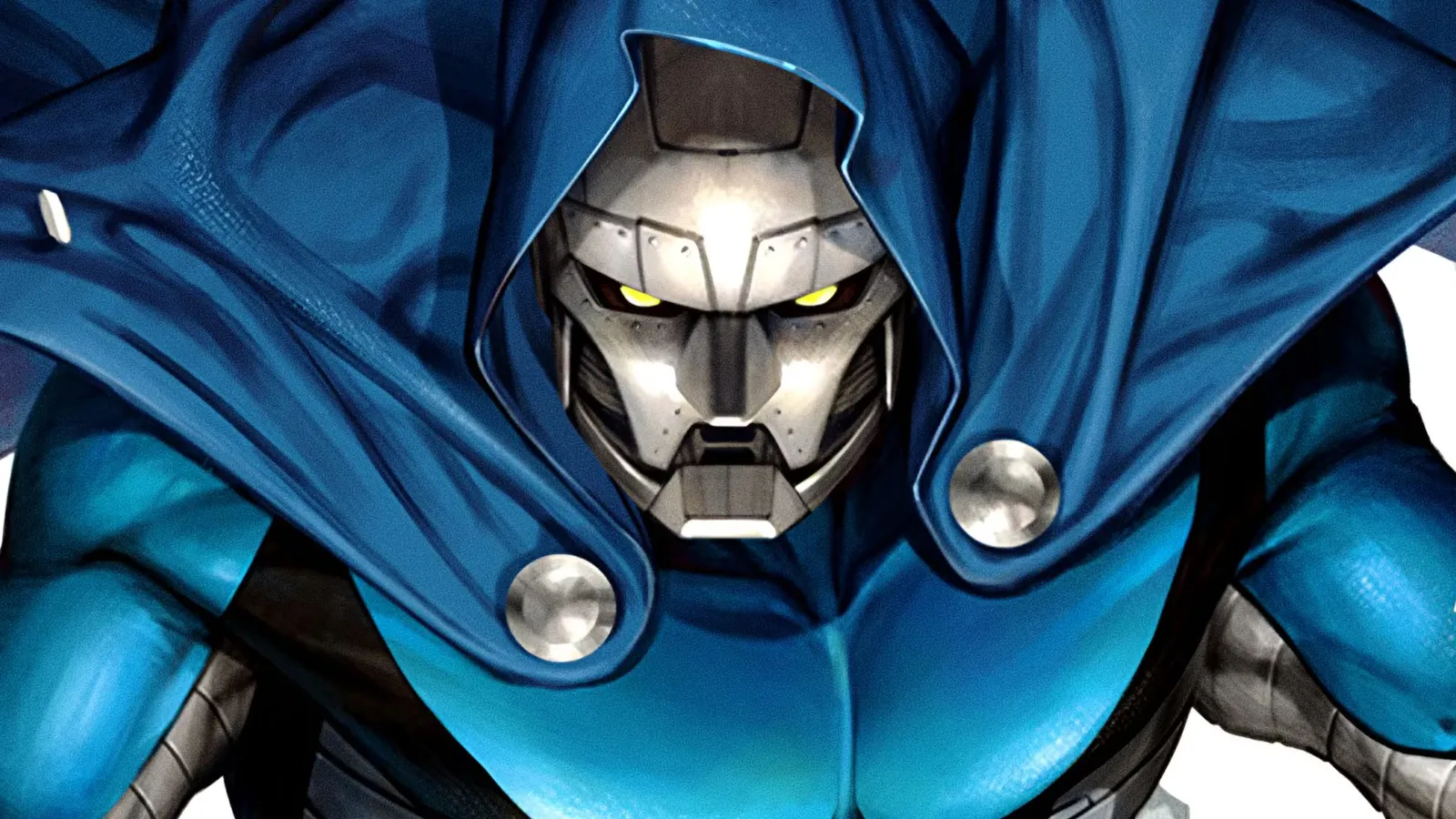
Marvel teases Doctor Doom's blue costume ahead of Avengers: Doomsday, tying the new look to his lifelong nemeses, the Fantastic Four. For decision-makers watching media IP and franchise risk, it telegraphs a strategic storytelling pivot that can reshape audience expectations and commercial outcomes.
Marvel is using a costume change as a plot device, and it is doing it with Doctor Doom. Ahead of Avengers: Doomsday, the franchise teased Doom in a brand new blue outfit that is explicitly Fantastic Four-inspired. The headline stake is simple: even when Doom looks almost unchanged across decades, Marvel is signaling that something in his story, and possibly his loyalties, is ready to move.
Doctor Doom's visual identity has been remarkably consistent throughout the decades, which is a rare thing for a character who has appeared in so many different timelines. That consistency is part of the brand. When you are that recognizable, a new look does not happen by accident. In this tease, Victor von Doom is still the same Doom in structure and symbolism, but the costume language updates, replacing his usual visual cues with blue tones that reference his lifelong nemeses, the Fantastic Four.
To understand why this matters, you have to look at what the original costume has carried over time. Doom's steel mask and full suit of armor are not mere aesthetics. They represent his scars, both physical and emotional, because the character refuses to reveal what the mask hides. Layer that with his green hooded cloak and royal tunic, and you get a character design built like a power announcement. The regal cloak and medieval-inspired attire reinforce his status as the absolute monarch of Latveria. In other words, the design is the thesis.
So when Marvel leans into blue that is Fantastic Four-inspired, it is not just swapping colors. It is using a visual callback to a rival set of ideals. Doom has lifelong nemeses. Fantastic Four is one of Doom's most enduring opposition points, and Marvel is now putting that opposition into Doom's wardrobe. That kind of design choice is a storytelling shortcut. It tells viewers that the conflict is not standing still, even if Doom’s core silhouette stays familiar.
This is especially important because Avengers: Doomsday is not a standalone story. It is part of a franchise machine where continuity, audience trust, and expectation management are recurring problems. When a character like Doom has a stable look across timelines, audiences learn a visual grammar: mask equals scars, armor equals control, cloak and royal tunic equal monarch energy. You can change details, but the deeper symbols usually stay intact. A new costume becomes a signal to the audience that a new chapter is in play. In business terms, it is like changing the UI on a product people rely on every day. If you do it, you are trying to communicate a functional change, not just a cosmetic one.
The second-order implication for decision-makers is that media brands do not just sell plot. They sell expectation. Costume reveals are not only for fandom. They are marketing signals that help the creative team steer viewers toward a specific interpretation, especially when the story world has a long history and multiple timelines. If Doom is being framed through Fantastic Four inspiration, that can influence how people anticipate alliances, betrayals, and the shape of the conflict. It can also affect how other characters are positioned when they share scenes with Doom, because visual symbolism primes how the audience reads power dynamics.
There is also a wider context in how franchise IP manages risk. When public-facing material highlights changing allegiances, it reduces ambiguity, but it also raises the bar. If the teaser implies a shift, the eventual on-screen execution has to land or risk backlash. This is not about regulators or formal compliance the way you would see in traditional finance, but it is still about control. In the media world, the “regulatory” equivalent is audience tolerance. And audiences are increasingly sophisticated, especially for properties with huge, long-running histories.
For executives, founders, and investors tracking media and entertainment as an ecosystem, this reveal is a reminder that character design is a strategic asset. Doom’s mask, armor, green hooded cloak, and royal tunic are already doing symbolic work. The new blue Fantastic Four-inspired costume adds a different layer to the same brand logic: the monarch of Latveria may still project control, but he may be doing it with new references and new angles. That is the stake behind the tease. When Marvel nudges Doom’s look, it is nudging the story’s political math, and it is doing it right before Avengers: Doomsday asks audiences to care about where everyone stands.
This story's Key Insights and Take-aways are locked.
Create a free account to unlock Executive Actions for one credit.
Register to UnlockAlways free for Executives Club members. Join the Club
More in Entertainment

'It's a Magic Trick': Ballet Experts Say Rosalía's SNL Pose Is Impossible
Three ballet experts tell Rolling Stone Rosalía's gravity-defying SNL stillness shouldn't be possible - and why the debate is now part of the show.

Activision CMO: GTA 6 Will Boost Call of Duty, Not Bury It
Activision's top marketer says Rockstar's blockbuster will drive players back to consoles and into Modern Warfare 4, even as the company admits its recent strategy failed.
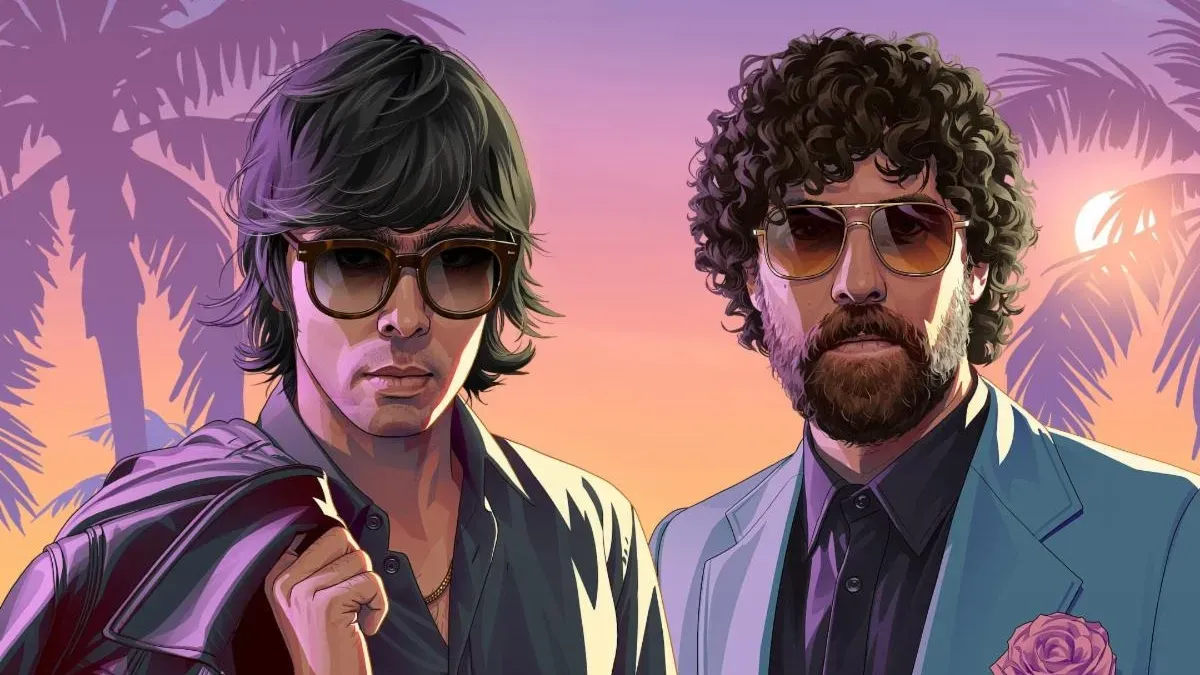
Justice to Score GTA 6, Share New Song with Tame Impala, SZA, King Gizzard
Rockstar taps the French duo for the GTA VI score, and the first taste is a genre-melting collab with Tame Impala, SZA, and King Gizzard & The Lizard Wizard.