
Dolly Parton dies at 80: The timeline of a self-made empire
From a two-room cabin with no running water to a music, film, and business empire - here is the arc of a life that defined American culture.
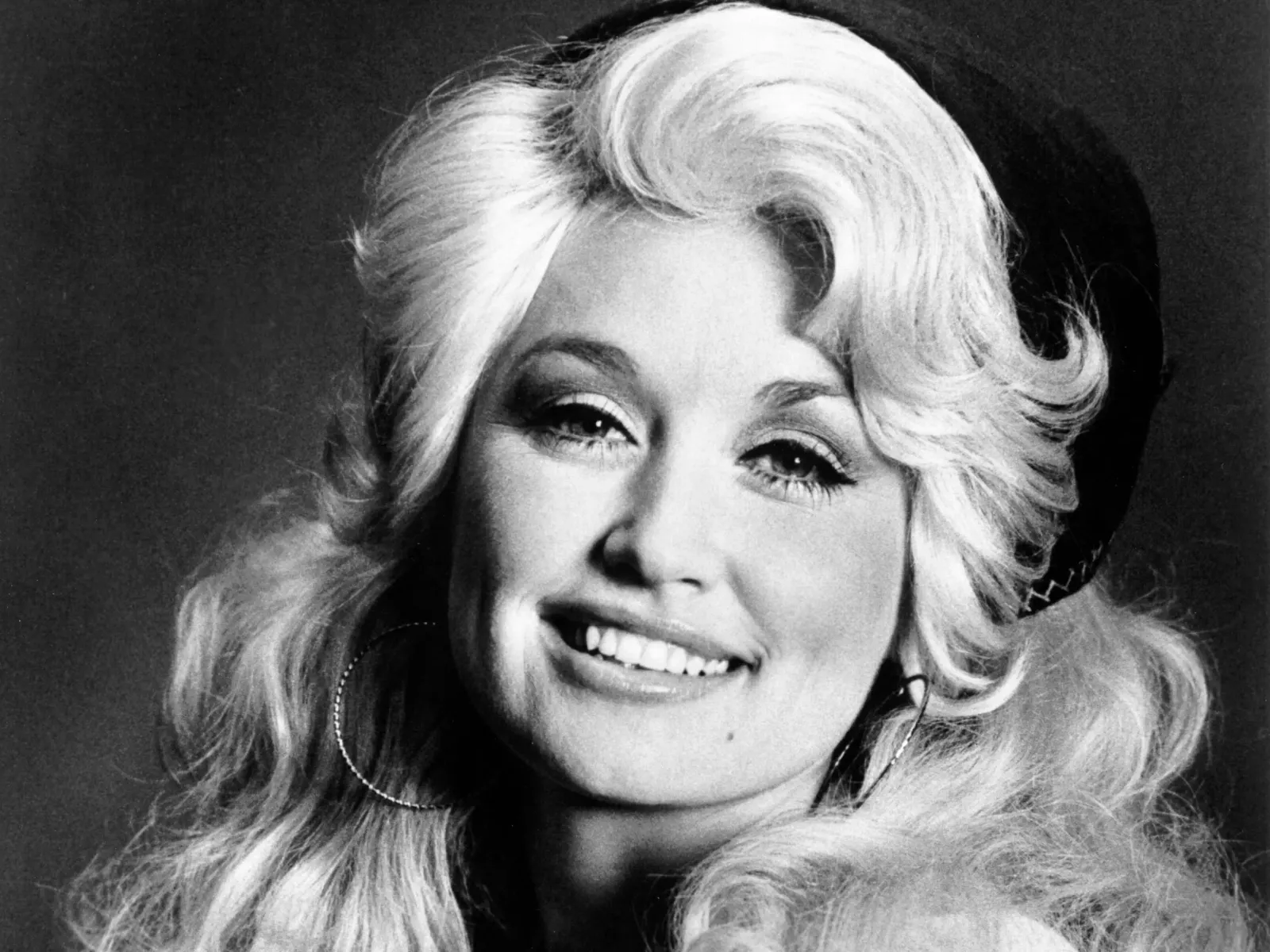
Dolly Parton, the country music icon and business mogul, died at age 80 on August 25, her family announced Tuesday. Her life offers a masterclass in brand longevity, creative ownership, and turning humble roots into a diversified empire.
Dolly Parton, the country music icon who turned a two-room cabin childhood into a global brand spanning music, film, and philanthropy, died at age 80 on August 25, her family announced Tuesday. The fourth of 12 children, Parton was born in Locust Ridge, Tennessee, on January 19, 1946, to a tobacco-farming father who never learned to read or write and a preacher's daughter who raised the family. Before her passing, she had canceled her scheduled Las Vegas residency, citing health concerns - a quiet end to a public life that began on a front porch in rural Appalachia with no running water or electricity.
Parton's rise was not luck; it was a relentless, self-directed climb that started almost as soon as she could talk. She wrote her first song, "Little Tiny Tassel Top," at age 5, and by 1953 she had built her first guitar from an old mandolin and two bass strings. At 13, she performed at Nashville's Grand Ole Opry for the first time, introduced by Johnny Cash, and received three encores after singing George Jones' "You Gotta Be My Baby." That moment, she later said, was the realization of a dream she had held since childhood: "For me, the Opry is like the song 'New York, New York' - if you can make it there, you can make it anywhere."
Her early career was a study in persistence through rejection. In 1957, at age 11, she recorded her first single, "Puppy Love," with her uncle Bill Owens, who had become her first manager after recognizing her talent and securing her a regular spot on Knoxville's "The Cas Walker Show." The single went nowhere commercially, but Parton never forgot the feeling of hearing herself on the radio for the first time. "I was so proud I walked around for days with my chest all stuck out," she said. "Somehow, nobody noticed." In 1962, she and Owens signed with Tree Publishing and Mercury Records, but their songs didn't chart and the label dropped them. They rebounded with Fred Foster's Combine Publishing House and Monument Records, and by 1966, two songs they wrote together reached the Top 10 for Bill Phillips.
Parton's breakthrough came in 1967, when two Monument singles - "Dumb Blonde" and "Something Fishy" - landed on Billboard's country chart. That summer she released her first full-length album, "Hello, I'm Dolly," and joined "The Porter Wagoner Show," a partnership that made her a household name. Their recording of "The Last Thing on My Mind" hit No. 7 on Billboard's country chart, and RCA signed the pair. In 1968, they released their first joint album, "Just Between You and Me," and won the CMA Award for vocal group of the year. Parton earned her first No. 1 hit in 1971 with her cover of Jimmie Rodgers' "Mule Skinner Blues," and the hits kept coming: "Jolene," "I Will Always Love You," and "9-to-5" became anthems that transcended country radio.
Parton's business instincts were as sharp as her songwriting. She wrote "I Will Always Love You" and famously reclaimed the rights from Elvis Presley's manager when he asked for half the publishing - a decision that paid off decades later when Whitney Houston's 1992 cover became one of the best-selling singles of all time. She built Dollywood into a major tourist destination, launched a successful line of home goods and fragrances, and used her platform to fund literacy programs through her Imagination Library, which has mailed millions of books to children. Her brand was carefully managed: approachable, hardworking, and relentlessly positive, with a self-aware wit that made her a beloved figure across generations and political lines.
Parton's personal life was as private as her public persona was open. She met Carl Dean outside the Wishy Washy Laundromat in Nashville in 1964, when she was 18 and he was 21. They married in 1966 in Ringgold, Georgia, against the wishes of her record label, which feared marriage would hurt her career. Dean, a retired businessman who ran an asphalt-laying company, stayed out of the spotlight for nearly 60 years until his death on March 3, 2025, at age 82. Parton often said their privacy was the secret to their longevity, and she carried that same discipline into her business dealings, retaining control of her masters and her image when many of her peers did not.
For executives and founders, Parton's life is a case study in owning your intellectual property, diversifying revenue streams, and building a brand that outlasts any single product or platform. She did not just write songs; she built a vertically integrated empire that included music publishing, theme parks, television specials, and a book club. She understood that the real asset was not the hit record but the relationship with the audience - and she protected that relationship fiercely, canceling her Vegas residency when her health faltered rather than delivering a subpar show. Her death at 80 closes a chapter, but the playbook she leaves behind is still open for anyone willing to work as hard as she did.
Parton's legacy is also a reminder that cultural icons are economic engines. Dollywood employs thousands of people in rural Tennessee, her Imagination Library has distributed hundreds of millions of books, and her songs generate royalties that will continue to support her charitable foundations. For the executives, investors, and creators who followed her career, the lesson is simple: authenticity, ownership, and generosity are not just virtues - they are a durable business model. As Parton herself said, "I'm not going to limit myself just because people won't accept me in another way." She never did.
This story's Key Insights and Take-aways are locked.
Create a free account to unlock Executive Actions for one credit.
Register to UnlockAlways free for Executives Club members. Join the Club
More in Business
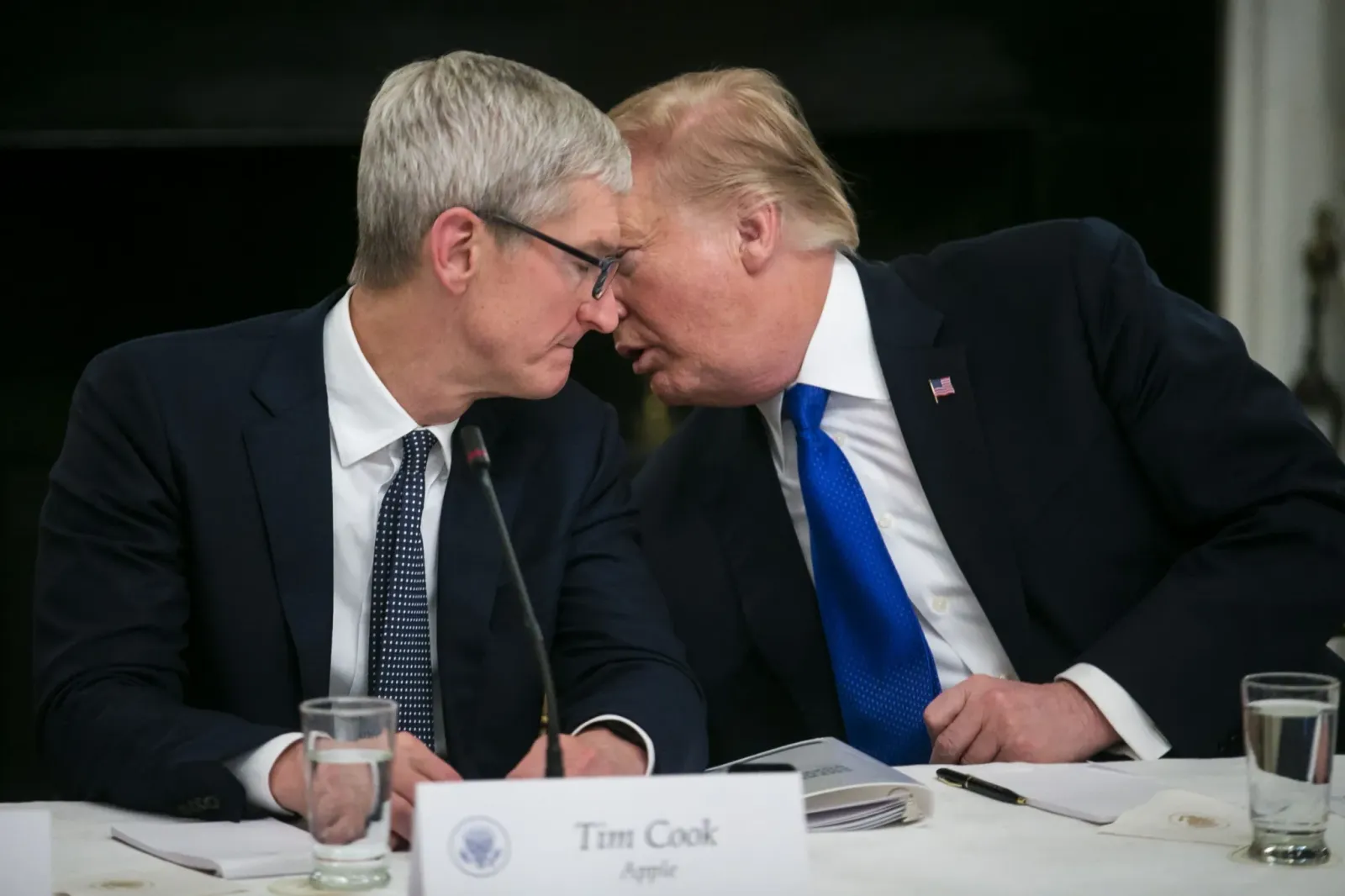
Tim Cook steps down as Apple CEO, stays on as chair with $45M equity
The 'Trump whisperer' keeps his White House and Beijing access as Apple navigates tariffs and a $4.6 trillion market cap.

Snowflake shares surge as AI data demand crushes estimates, lifting full-year forecast
Stocks jumped on stronger-than-expected guidance, signaling enterprise AI workloads are accelerating faster than Wall Street priced in.
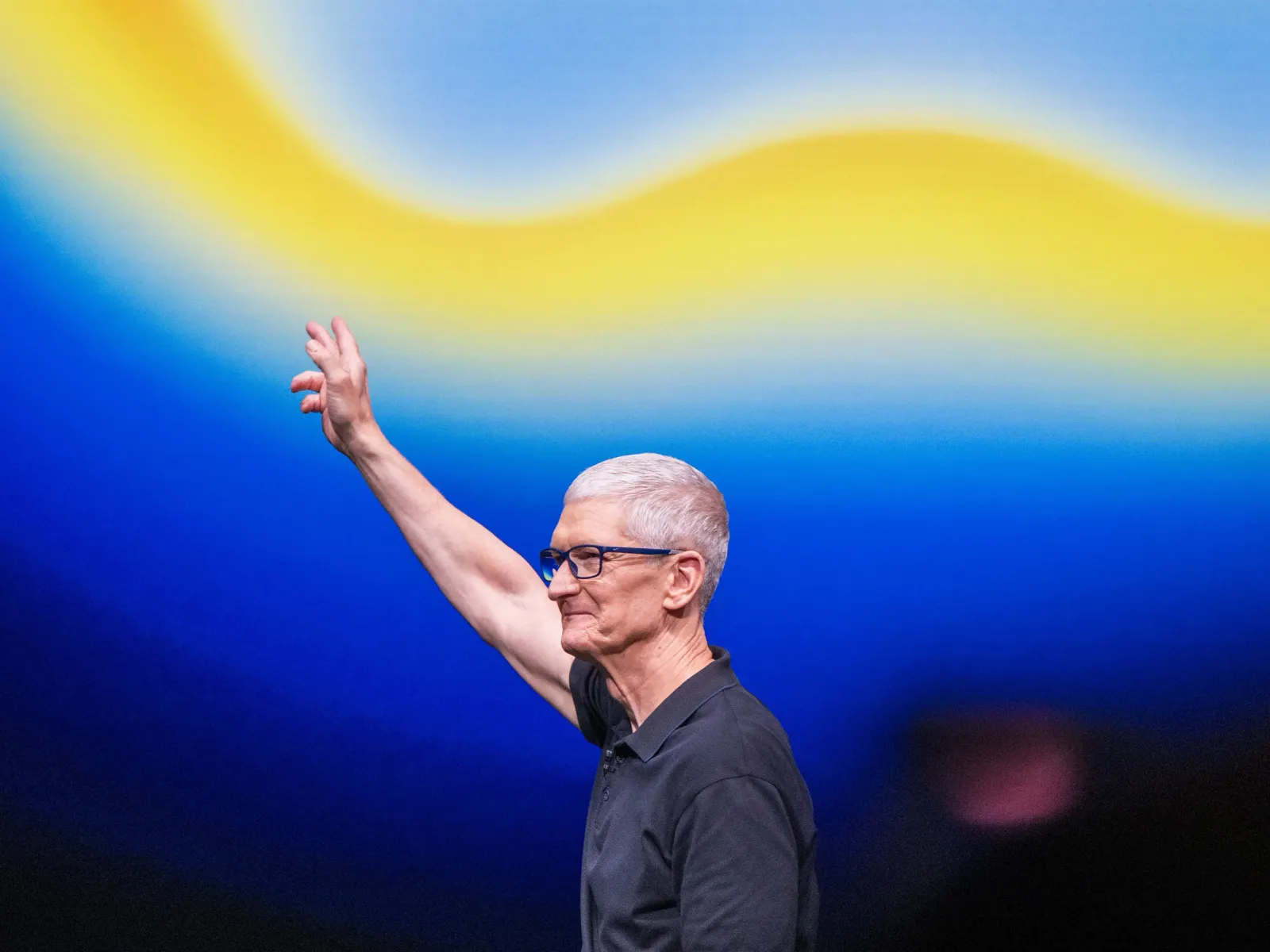
Tim Cook's 15-year Apple CEO run ends: 3 lessons for any successor
After 15 years, Tim Cook hands Apple to John Ternus - here's how he turned a $350B company into a $4.6T juggernaut.