
Dolly Parton thanks $2M donation from Taylor Swift and Travis Kelce
The country icon calls the gift gratitude-worthy as Parton's Imagination Library gears up for children worldwide.
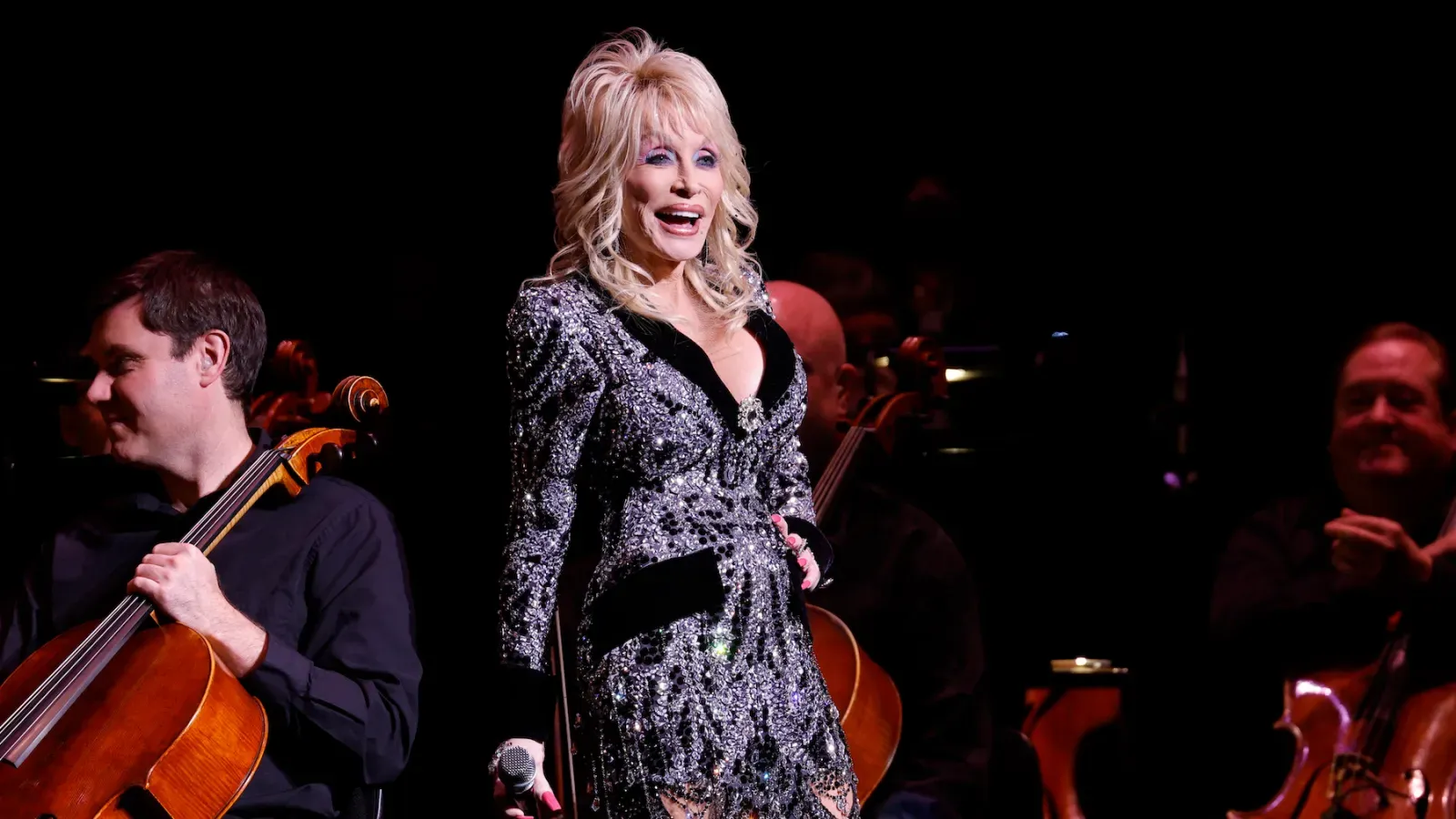
Dolly Parton says she is “blown away and overjoyed with that gratitude” after being among beneficiaries of Taylor Swift and Travis Kelce's $26 million pre-wedding donation. The $2 million portion earmarked for Parton's Imagination Library has real fundraising momentum, and it signals how mainstream celebrity capital can accelerate child-focused nonprofits.
Dolly Parton is publicly thanking Taylor Swift and Travis Kelce for a $2 million donation to her Imagination Library, calling the moment “blown away and overjoyed with that gratitude.” Rolling Stone reports that Parton is one of the beneficiaries of the couple’s $26 million pre-wedding donation, and that specific $2 million figure matters because it is no longer just a headline. It is targeted charitable money tied to an organization with an ongoing operating model, not a one-time stunt.
For decision-makers watching celebrity giving, the first takeaway is the obvious one: this is an infusion, not a photo op. Parton’s quote tells us how the recipient experiences the gift, but it also hints at something more operational. Imagination Library is built to distribute books over time. When large, mainstream donors move from general philanthropy into earmarked support, they can reduce the uncertainty that nonprofits feel when annual budgets depend on a patchwork of grants and fundraising cycles.
To understand why $2 million is significant, it helps to remember how charities typically run. Many children’s programs do not “scale” like software. They scale with logistics and recurring costs: printing or acquiring books, shipping, maintaining enrollment, and coordinating distribution at the local level. A donation that is properly directed can stabilize those commitments. Even if a donor’s intent is emotional, the nonprofit’s reality is administrative. Money arriving early can protect headcount, help plan procurement, and reduce the risk of pausing programs when a funding channel slows.
There is also the broader incentives angle, especially for high-profile donors. Swift and Kelce are being covered not for a vague charitable vibe, but for a specific pre-wedding donation with a total reported size of $26 million, including the $2 million to Parton. That kind of clarity is a signal to other wealthy individuals and corporate partners: earmarking is what turns good intentions into measurable inputs. It is one thing to donate in a way that makes headlines. It is another to attach a number to a beneficiary and keep the flow consistent enough for an organization like Imagination Library to run its program on a schedule.
Boards and executives at nonprofits and foundations should take note of how these moments can change the fundraising calendar. A credible, widely publicized donation can act like a spotlight that attracts smaller donors who were previously on the fence. It can also create momentum with institutional supporters who want to avoid being left behind once a cause is in the public eye. The second-order effect is not that celebrity generosity “replaces” traditional philanthropy. It is that it can reprice the perceived risk of supporting a program, making it easier to say yes, earlier.
On the compliance and regulatory side, the underlying mechanics of charitable giving generally depend on standard nonprofit rules: donors typically want receipts, proper documentation, and adherence to the intended use of funds. While this story does not include legal details, the stakes are still real for any executive involved with a receiving nonprofit. When money comes with a specific purpose, organizations must track restricted funds and report outcomes in a way that matches donor expectations and internal governance. That is where good board oversight earns its keep. The gift is celebratory, but the paperwork is not optional.
Finally, consider what this means for other leaders in the social-impact space. Rolling Stone’s reporting frames Parton as one beneficiary of a large pre-wedding gift and documents her response. But the strategic lesson extends outward. When mainstream figures pick a well-known, operationally proven beneficiary, it can strengthen the credibility of that nonprofit category in the public mind. That credibility becomes capital. Over time, it can influence grantmaking priorities, corporate sponsorship interest, and partnerships with distributors, local literacy groups, and community organizations.
If you lead a nonprofit, a foundation, or the corporate social-responsibility function at a company, this is a reminder that fundraising is increasingly shaped by cultural distribution. Celebrity giving can move faster than a traditional grant cycle. It can also set a new baseline for what supporters expect in terms of transparency and specificity. In Parton’s words, she is “blown away and overjoyed with that gratitude.” For organizations on the receiving end, that gratitude is not just sentiment. It is leverage for planning, governance for accountability, and momentum for children’s programs that have to run every week, not just every news cycle.
This story's Key Insights and Take-aways are locked.
Create a free account to unlock Executive Actions for one credit.
Register to UnlockAlways free for Executives Club members. Join the Club
More in Entertainment

Russell Brand's accuser 'bewildered and confused' as he denies 7 sex charges
The criminal case against the comedian is a live test of how media companies manage talent risk when serious allegations go public.

'It's a Magic Trick': Ballet Experts Say Rosalía's SNL Pose Is Impossible
Three ballet experts tell Rolling Stone Rosalía's gravity-defying SNL stillness shouldn't be possible - and why the debate is now part of the show.

Activision CMO: GTA 6 Will Boost Call of Duty, Not Bury It
Activision's top marketer says Rockstar's blockbuster will drive players back to consoles and into Modern Warfare 4, even as the company admits its recent strategy failed.