
Donor human retinas still respond to light 10 hours after death under perfusion
A new study shows light sensitivity can persist for hours postmortem, strengthening the transplant pathway for vision restoration.
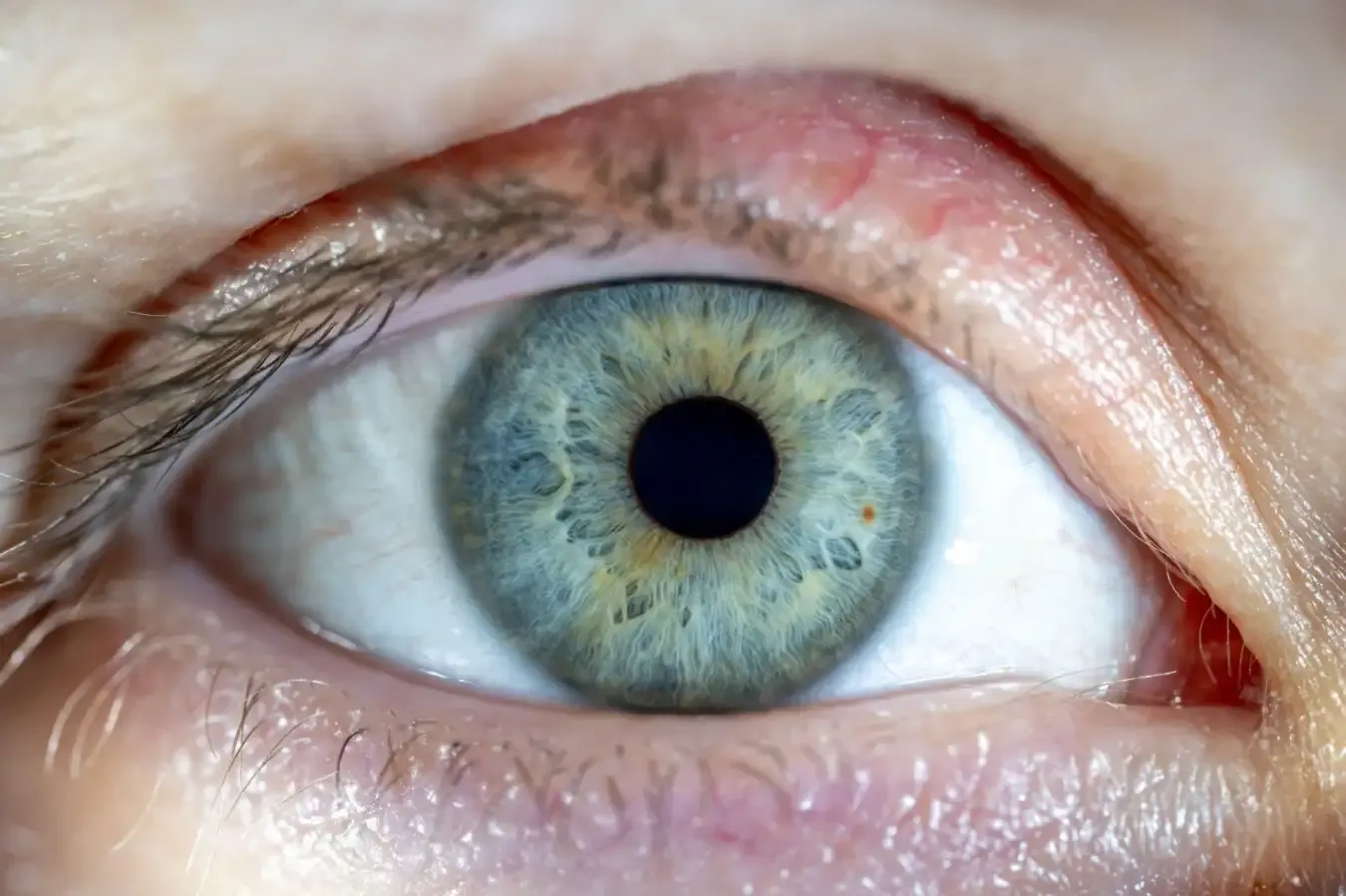
Perfusing donor human retinas with blood and oxygen kept them responding to light for up to 10 hours after death. For decision-makers, this supports a key enabling step toward eye transplants that could restore vision.
Picture the timeline problem in eye transplant work: the eye is precious, tissue is perishable, and any delay can mean the difference between usable vision biology and unusable dead tissue. The headline here is the quiet but huge shift. Donor human retinas, when perfused with blood and oxygen, continued to respond to light for up to 10 hours after death.
That “up to 10 hours” number is not a throwaway detail. It directly answers the question that determines feasibility for real-world programs: can retinal tissue remain functional long enough to be transported, prepared, and matched? The perfusion approach, by supplying blood and oxygen after death, appears to preserve light responsiveness for hours. In other words, the biology is not just surviving on life support, it is still doing something specific and measurable: responding to light.
Why this matters goes beyond a lab milestone and into how the entire transplant pipeline actually works. Vision restoration is not like swapping a prosthetic part. Retinal function has to be intact at the right time and in the right state, because the retina is an information processor. If the cells that detect light lose responsiveness too quickly, the transplant goal collapses. So the strategic value of extending postmortem responsiveness is that it can widen the usable window for tissue processing. A longer window can reduce waste, make scheduling less brutal, and potentially allow more systematic workflows rather than “race the clock” operations.
The source frames this as “a significant step towards eye transplants that restore vision.” That phrase is doing work. Eye transplant development is constrained by logistics and regulation in a way many other biotech fields are not. Tissue sourcing, handling, and clinical use typically sit under intensive oversight, with regulators focusing on patient safety, tissue integrity, and reliable manufacturing-like processes. Even if something works in a controlled setting, the regulatory question becomes: can it be repeated consistently, with defined quality criteria, across different donors and conditions? A perfusion method that sustains functional response for up to 10 hours gives investigators and sponsors something concrete to build those quality criteria around.
There is also a funding and partnership angle here, because teams do not invest in “interesting biology,” they invest in de-risked pathways. When a study demonstrates a time window extension with a clear mechanism (blood and oxygen delivery), it makes the downstream planning less speculative. For example, companies and academic groups working toward retinal therapies can think more realistically about procurement-to-procedure workflows. That can influence everything from how tissue banks plan capacity to how clinical trial sites coordinate with donor procurement networks.
Second-order implications for executives come from the translation risk profile. Many regenerative medicine efforts fail because the last mile is not the science, it is viability and consistency. A perfusion strategy that maintains light responsiveness for hours postmortem shifts the bottleneck. Instead of only asking whether the tissue can survive, the question becomes how to standardize perfusion conditions so retinal responses remain reliable. That kind of clarity often accelerates internal decision-making. It gives boards a more legible path to diligence, because they can evaluate a defined target, not an abstract dream.
Finally, this is the kind of result that can change competitive dynamics without changing market size overnight. If more functional retinal tissue can be made available for longer, the limiting factor in programs may move from “is there usable tissue?” to “which clinical approach yields the best patient outcomes?” That is a different question, and it affects who wins attention and capital. Investors, pharma partners, and device or tissue-processing players will look for follow-up details that show scalability and reproducibility. But even with the limited scope described here, the core fact is compelling: perfused donor human retinas continued to respond to light for up to 10 hours after death, marking a significant step toward vision-restoring eye transplants.
For leaders tracking the space, the message is simple and actionable: the transplant feasibility conversation can now include a practical functional window. That moves the goal from theoretical possibility to operational planning, and it raises the stakes for anyone trying to bring vision restoration from bench to bedside.
This story's Key Insights and Take-aways are locked.
Create a free account to unlock Executive Actions for one credit.
Register to UnlockAlways free for Executives Club members. Join the Club
More in Science

Alaska's 1,580-foot tsunami had warning signs. Scientists just found them.
Rapid glacier retreat, heavy rainfall, and thousands of tiny tremors preceded Alaska's 1,580-foot tsunami, a warning for every coastal community in a warming world.

The rare mutation that lets high-risk brains dodge Alzheimer's
Scientists found a natural defense against protein buildup, opening a new path to preventive treatments.

3,000 steps a day may halve Alzheimer's decline, study finds
New research links a modest daily walk to less tau buildup and nearly half the cognitive and functional decline, even for those with early signs.