

Drake mourns Tay Keith with Instagram tribute after producer’s death at 29
The Memphis trap hitmaker behind “First Person Shooter” died Thursday; Drake’s post turns grief into a map of influence.
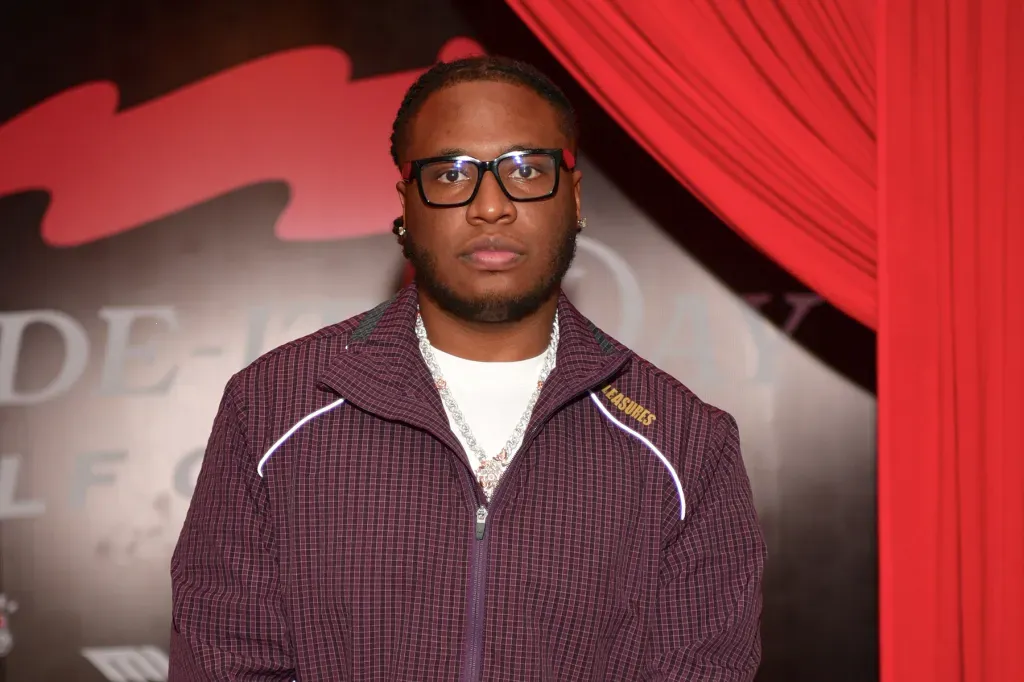
Drake posted an Instagram memorial for producer Tay Keith after the Memphis hitmaker died Thursday at age 29. The tribute spotlights Keith’s chart impact, including Drake’s “First Person Shooter,” and raises second-order questions about how music teams absorb sudden losses.
Drake turned grief into a very public receipt on Friday, June 19. The Toronto rapper shared a memorial tribute on Instagram to Tay Keith, the Memphis producer who died Thursday at age 29, writing, “Endless and eternal gratitude for your spirit and your contributions to this thing that we all love so much,” and adding, “You will be deeply missed.”
That post matters for more than sentiment. Tay Keith was not just “a producer” in the background. He was the architect behind Drake’s chart-topping “First Person Shooter,” and the same signature trap sound helped define the modern hit pipeline that major labels and streamers bet on every day. Drake paired the message with a memorial image reading “In Loving Memory” and “Rest in Peace,” alongside a black-and-white photo of Keith framed by illustrated roses.
Keith’s profile reads like a cheat code for the charts. Known for his signature trap production, the Memphis native became one of hip-hop’s most influential hitmakers, earning 11 top 10 hits on the Billboard Hot 100 and producing four No. 1 songs. Those No. 1 credits include Travis Scott’s “Sicko Mode,” plus Drake’s “First Person Shooter.” He also collaborated with Drizzy on tracks including “Nonstop,” “What Did I Miss?” and “Rich Flex.” In other words, this wasn’t a cameo producer moment. This was a repeat collaborator whose sound repeatedly landed in mainstream rotation.
There is also hard proof that his influence was not only artistic, but measurable by ranking power. Keith holds the record for the most No. 1s on the Hot R&B/Hip-Hop Songs chart this decade, with six. For executives, that kind of consistency is the rarest form of “brand equity” in music. Streams and radio patterns shift constantly, but when one producer’s work keeps reaching the top, it becomes a resource that teams build strategies around, replicate around, and protect.
The circumstances of Keith’s death are reported, but the cause is not. He was found unresponsive in his Nashville apartment during a welfare check conducted by Metro Nashville Police on Thursday, and his cause of death has not been announced. His family said in a statement sent to Billboard on Friday that “It is with profound sadness that we confirm the passing of BryTavious ‘Tay Keith’ Chambers.” They added that he was a “visionary producer, songwriter, entrepreneur, philanthropist, and cultural force,” and that his work helped define the sound of a generation. They also said memorial arrangements will be shared at a later date.
For companies that rely on fast creative throughput, sudden loss events can create operational turbulence even when the music itself is already released. When a producer dies unexpectedly, it changes more than headlines: it affects who can finish work in progress, who understands the exact production choices, and who can translate a distinctive sound into new records. The family statement says Keith was “deeply committed to creating opportunities for others through his company, Drumatized,” supporting emerging songwriters, producers, and artists. That adds another layer, because it implies active mentorship and pipeline work is part of the ecosystem he built, not just individual studio sessions.
It also helps explain why Drake’s tribute landed where it did, as a direct acknowledgment of contribution rather than a vague condolence. In the same way that a founder’s public statement can signal to employees and investors what continuity might look like, Drake’s post functions like a confirmation of relationship and creative dependency. Drake’s message, and the specific mention of Keith’s spirit and contributions to “this thing that we all love so much,” reinforces that the producer and the artist were connected through repeated creative collaboration, including the chart-topping track “First Person Shooter.”
For decision-makers in music, this moment is a reminder that hitmaking is both talent and infrastructure. The infrastructure is people: producers, engineers, writers, executives, managers, and label teams who can quickly reassemble creative capacity. When someone like Tay Keith, with 11 top 10 Hot 100 hits and multiple No. 1s, is suddenly gone, organizations are forced to update their operational assumptions in real time, even if the public narrative stays focused on remembrance.
And for peers who build businesses around artists and producers, the strategic stake is clear: protect the workflow, not just the catalog. The second-order impact of a death can show up in release planning, rights administration, unfinished collaborations, and internal knowledge transfer. Drake’s tribute closes one chapter publicly, but behind the scenes, music companies still need to keep the system running. Right now, the world is doing what it always does at moments like this: celebrating the sound, then sprinting to understand what comes next.
This story's Key Insights and Take-aways are locked.
Create a free account to unlock Executive Actions for one credit.
Register to UnlockAlways free for Executives Club members. Join the Club
More in Entertainment

Russell Brand's accuser 'bewildered and confused' as he denies 7 sex charges
The criminal case against the comedian is a live test of how media companies manage talent risk when serious allegations go public.

'It's a Magic Trick': Ballet Experts Say Rosalía's SNL Pose Is Impossible
Three ballet experts tell Rolling Stone Rosalía's gravity-defying SNL stillness shouldn't be possible - and why the debate is now part of the show.

Activision CMO: GTA 6 Will Boost Call of Duty, Not Bury It
Activision's top marketer says Rockstar's blockbuster will drive players back to consoles and into Modern Warfare 4, even as the company admits its recent strategy failed.