

Drammen blaze destroys 100 homes, triggers evacuations as firefighters scramble from across Norway
A huge fire in Norway's Drammen forces large-scale evacuation and mutual aid, testing emergency capacity and local resilience.

A huge fire in the southern city of Drammen destroyed 100 homes and sparked evacuations. Firefighters from other areas of Norway were drafted in to help tackle the blaze, highlighting the reliance on cross-region emergency support.
A huge fire in Drammen, a southern Norwegian city, destroyed 100 homes and sparked evacuations. That 100-home number is the kind of shock that moves beyond headlines fast, because it immediately turns into displacement, rebuilding pressure, and a stress test for how quickly authorities can coordinate help.
The response also has a clear operational tell: firefighters from other areas of Norway were drafted in to tackle the blaze. In other words, this was not a “local team handles it” situation. It required mutual aid across regions, which is exactly what emergency planning is supposed to enable, but only if systems, communications, and logistics hold up under real-world chaos.
For executives, boards, and operators, events like this matter even if your business is not firefighting. The first-order impact is obvious: damage to housing, evacuation of residents, and the immediate need for shelter and services. The second-order impact is the long tail: costs, timelines, and reputational stakes. When 100 homes go up, reconstruction is not just a question for homeowners. It pulls on insurance, local contractors, building permitting workflows, municipal budgets, and emergency preparedness reviews. In practice, the firms that end up dealing with the aftermath are often those with the fastest mobilization, the cleanest supply chains, and the most reliable coordination with public agencies.
There is also a governance angle here. Norway, like many countries, treats emergency response as a public responsibility with coordination across levels of government and agencies. When responders are “drafted in” from other areas, that typically means the local capacity threshold was reached. That threshold is a key risk in crisis planning. If local fire services are overwhelmed, decision-makers need to rely on pre-existing agreements and runbooks for escalation. If those systems are slow or unclear, the damage grows from “serious incident” into “catastrophe with institutional friction.”
Mutual aid operations add another layer of complexity. Bringing in firefighters from other areas is not just manpower; it changes the coordination equation. Who takes command? How are perimeters set and communicated? What happens when equipment and teams operate under slightly different local procedures? Even when everyone is trained to national standards, the on-the-ground reality is that large incidents require synchronized decision-making. The story’s detail that out-of-area firefighters were mobilized implies the incident size or intensity demanded broader coverage, which makes coordination speed a core variable for outcomes.
If you zoom out, this is also a reminder for companies that work in facilities, construction, logistics, or property-adjacent services: crisis response is part of business continuity. While this specific source does not name additional infrastructure impacts beyond the destroyed homes and evacuations, major urban fires often disrupt utilities, roads, and nearby operations. That can trigger everything from staffing challenges to supply delays. Boards that oversee risk should treat incidents like this as scenario generators: What if regional emergency services are tied up longer than expected? What if evacuation creates labor shortages? What if procurement and permitting become slower because the municipality shifts attention to recovery?
Finally, there is a strategic stake for peers in similar roles across sectors. When a city experiences a large-scale disaster requiring nationwide help, it often prompts public scrutiny of preparedness and response capacity. That scrutiny can translate into follow-on policy and budget decisions at the municipal and regional level. Those decisions can affect timelines for rebuilding, changes in building standards or safety enforcement, and how quickly services return to normal. For executives, the lesson is not to assume “it will be handled locally.” The lesson is to recognize the reality embedded in this report: when the emergency grows, the system pulls resources from elsewhere, and that dependency chain becomes part of the broader risk environment.
In short: Drammen is dealing with the direct damage of a huge fire that destroyed 100 homes and forced evacuations. And the response required firefighters from across Norway. For decision-makers, that combination is a concrete signal of the operational and governance pressures disasters create, and it sets the stage for the longer recovery work that follows the flames.
This story's Key Insights and Take-aways are locked.
Create a free account to unlock Executive Actions for one credit.
Register to UnlockAlways free for Executives Club members. Join the Club
More in Politics

LA County: DOJ's 20,000 'noncitizen' voter list is 'unreliable,' includes U.S.-born
Preliminary review by Los Angeles County election officials finds errors in the federal list, raising the stakes for voter roll integrity ahead of November.

Trump's $1.5B Pentagon chip investment lands in North Carolina
A $1.5 billion defense infusion for North Carolina chipmaking signals a new era of Pentagon-backed reshoring - here's what it means for the industry.
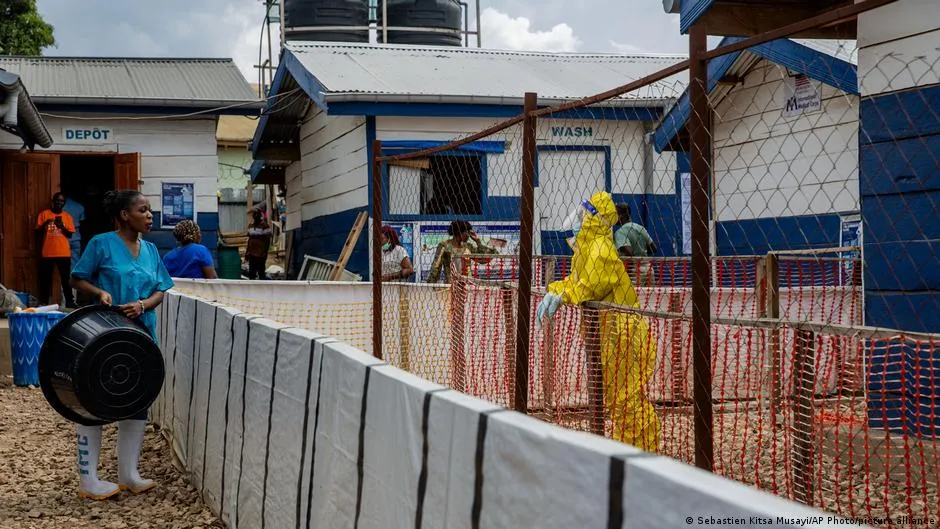
Nigeria confirms first Ebola case in Abuja, a woman just off a Uganda flight
Health Minister Muhammad Ali Pate says the patient flew in from Uganda, putting Africa's latest outbreak on Nigeria's doorstep.