
DT-109 reversed severe fatty liver disease in animals by fixing the gut
A gut-repair strategy that prevented liver-damaging toxins could redefine treatment approaches for MASH and beyond.
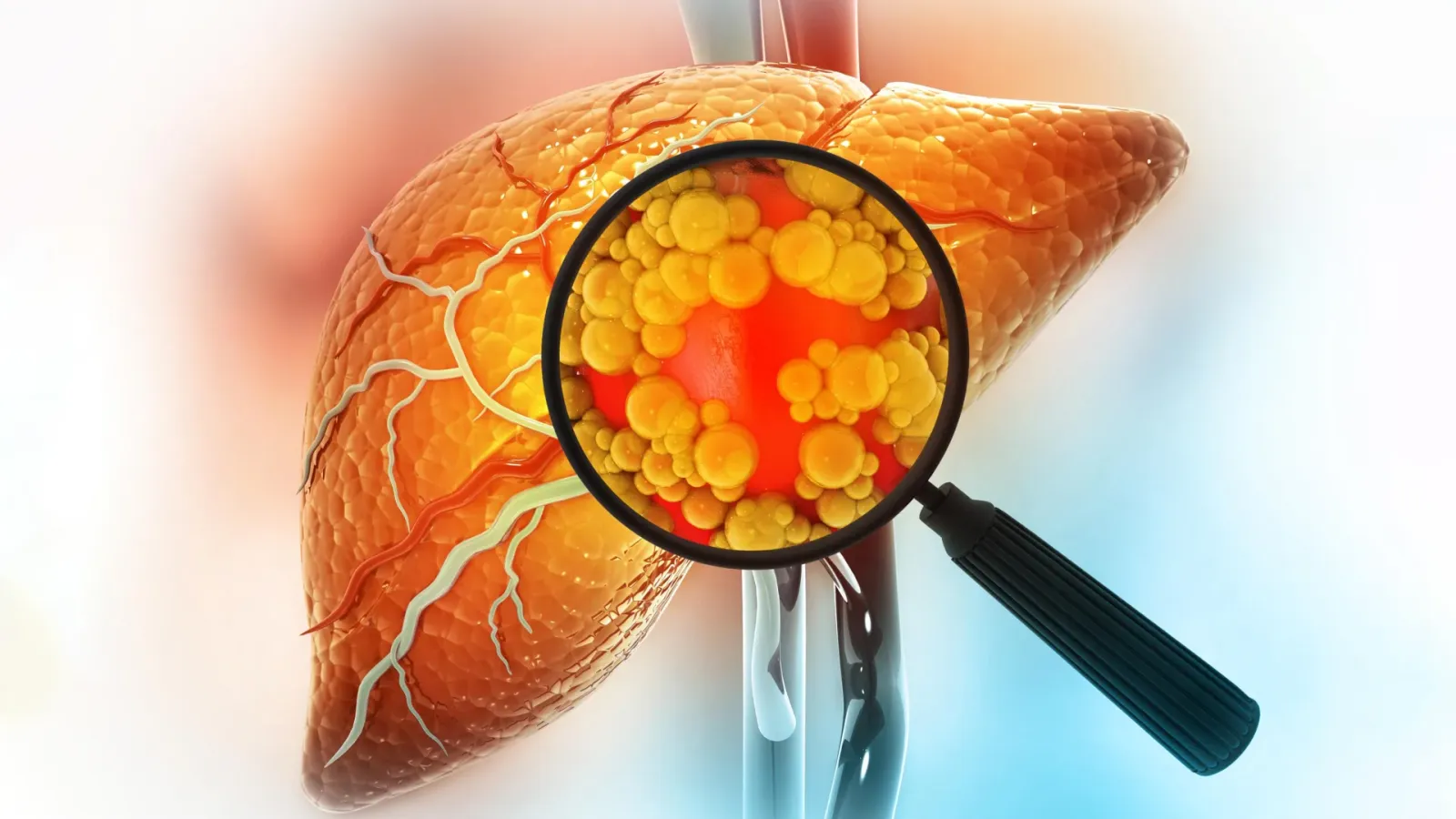
An experimental drug called DT-109 reversed severe fatty liver disease in animal studies by repairing the gut and preventing harmful toxins from damaging the liver. If this translates, decision-makers could be looking at a potential new class of therapies for MASH and other gut-linked diseases.
DT-109, an experimental drug, reversed severe fatty liver disease in animal studies by repairing the gut and preventing harmful toxins from damaging the liver. That is the key claim from the research highlighted by ScienceDaily, and it matters because fatty liver disease is not just a liver problem. It is increasingly treated as a whole-body ecosystem issue, where gut health can influence what reaches the liver and what the liver experiences.
In this study framing, DT-109 did not primarily win by targeting the liver directly. Instead, the mechanism is described as “repairing the gut” and blocking harmful toxins from damaging the liver. The practical interpretation for anyone building a therapeutic roadmap is straightforward: if gut integrity and toxin exposure are upstream drivers, then a gut-first intervention could flip the disease trajectory, even in severe cases, at least in animals.
Now zoom out to why executives should care about this kind of reversal. In drug development, results that “turn around” severe disease states are rarer than results that only slow a process. When an intervention reverses a condition in animal studies, it signals that the disease may be more plastic than previously assumed, which can change how teams size risk, pick endpoints, and design the next experiments. For MASH, the stakes are especially high because it sits at the intersection of big unmet need and a crowded competitive landscape where differentiation is everything. A therapy that targets gut dysfunction and toxin handling could be a different animal from treatments aimed at metabolism alone.
There is also a regulatory and clinical development subtext here. Regulators generally want clear, mechanistically coherent evidence that a drug does more than move biomarkers. A gut-repair mechanism that prevents toxins from harming the liver gives trial designers a rationale for choosing endpoints that reflect both liver injury and disease biology. That does not guarantee regulatory success, but it can improve the story a company needs to tell across preclinical packages, translational work, and ultimately human studies.
Equally important: this approach could extend beyond MASH. The ScienceDaily summary explicitly says the discovery could open the door to “a new class of treatments for MASH and potentially other diseases tied to gut health.” That phrase is doing real work. In many industries, platforms win because they can be reused. In biotech, platforms win because the underlying biology repeats across indications. If the therapeutic value comes from stabilizing gut barrier function or interrupting toxin-driven liver injury, similar gut-linked pathologies could plausibly be in range. Executives should think less in terms of “one drug for one disease” and more in terms of “one mechanistic lever with multiple downstream applications,” because that changes valuation logic and portfolio strategy.
For boards and investment committees, there is an additional layer. If DT-109 represents a broader gut-repair thesis, then the competitive question becomes: who else can validate and de-risk the same axis quickly? Companies do not just compete on the molecule. They compete on speed to proof, clarity of mechanism, strength of translational evidence, and the ability to present a credible path to clinical outcomes. A gut-centric strategy can also attract interest from partners with expertise in microbiome science, gut barrier biology, or translational immunology, because the data package may require more than standard toxicology and liver readouts.
Finally, there is the second-order implication for leaders across the industry: this is a reminder that the gut-liver connection is not a niche idea anymore, it is becoming a therapeutic strategy. Animal studies that show reversal through gut repair and toxin prevention can pressure teams to revisit assumptions about where to intervene in the causal chain. If the disease can be reversed by fixing the upstream system, then interventions that focus only downstream effects may face a harder time explaining why they do not fully change disease direction.
The strategic stakes are clear. DT-109 reversing severe fatty liver disease in animals by repairing the gut and preventing harmful toxins from damaging the liver suggests a potential new treatment class for MASH, with the possibility of spillover into other gut-health related diseases. For decision-makers, that translates into a specific task: track the mechanism, stress-test the translational evidence, and watch how quickly the field converts a gut-first concept into human-relevant outcomes.
This story's Key Insights and Take-aways are locked.
Create a free account to unlock Executive Actions for one credit.
Register to UnlockAlways free for Executives Club members. Join the Club
More in Science

Alaska's 1,580-foot tsunami had warning signs. Scientists just found them.
Rapid glacier retreat, heavy rainfall, and thousands of tiny tremors preceded Alaska's 1,580-foot tsunami, a warning for every coastal community in a warming world.

The rare mutation that lets high-risk brains dodge Alzheimer's
Scientists found a natural defense against protein buildup, opening a new path to preventive treatments.

3,000 steps a day may halve Alzheimer's decline, study finds
New research links a modest daily walk to less tau buildup and nearly half the cognitive and functional decline, even for those with early signs.