

Dubai Chamber backs 32 apps, with AI powering 60% of new startups
A 45-day accelerator turned app ideas from 22 countries into launch-ready products, and AI is already in the mix.

Dubai Chamber of Digital Economy, under Dubai Chambers, supported 32 new mobile applications through its Create Apps Accelerator Programme. The program says 60% of the projects used artificial intelligence, including teams from 22 countries across 13 sectors.
Dubai Chamber of Digital Economy just backed the launch of 32 new mobile apps, and it says 60% of those projects were powered by artificial intelligence. That is the headline, but the real story is what it signals about how startups are building in Dubai, and how quickly “AI in the product” is moving from a buzzword to a default setting.
The accelerator is part of Dubai Chamber of Digital Economy’s Create Apps Championship ecosystem. This year, the Create Apps Accelerator Programme brought in participants from 22 countries and guided them for 45 days, with the stated goal of turning app concepts into market-ready applications. In other words, this is not a conference pitch night where ideas die on stage. The chamber describes the work as producing functional app prototypes for both iOS and Android before teams prepare for App Store and Google Play launches.
So what exactly happened? According to the chamber, the Create Apps Accelerator Programme successfully supported the development and market launch of 32 new mobile applications. It also frames the results as proof of the programme’s impact in transforming concepts into commercially viable applications while strengthening Dubai’s wider innovation ecosystem. And it lays out the “how”: a 45-day intensive technology sprint with structured milestones, expert mentorship, and hands-on support. The chamber also claims this year’s programme delivered more than 170 hours of one-on-one mentoring and guidance, six specialised workshops led by industry experts, and training on UI and UX design. On top of that, teams received product positioning support, compliance guidance, and app scaling strategies.
The AI number is the standout. The chamber said applications that utilise artificial intelligence accounted for 60% of all projects launched through the programme. It connects that figure to “ongoing efforts to encourage the adoption of advanced technologies across the private sector” and to accelerate the development of innovative digital solutions. For founders and operators, the practical implication is simple: in this Dubai ecosystem, teams that integrate AI are not just experimenting. They are getting shepherded through a sprint designed to get to launch, and they are doing so at scale.
The programme also says the 32 launched apps were spread across 13 sectors. Education is described as one of the most strongly represented sectors, followed closely by healthcare and longevity. Other sectors mentioned in the broader list include education, healthcare, fintech, social media, and real estate. The chamber also pointed to international participation, listing countries represented including the UAE, Egypt, India, Yemen, and Jordan. That matters because it suggests Dubai is positioning the accelerator as an outward-facing pipeline, not just a local talent program.
Under the hood, this initiative has a clear ladder. The Create Apps Accelerator Programme is designed specifically for participants who did not qualify for the final stages of the Create Apps Championship. That means teams get another shot at momentum, continuing development through training, mentorship, and practical guidance aimed at bringing products to market. The chamber also ties the accelerator to the wider Create Apps in Dubai initiative, which it says continues to attract thousands of applications and drive growth in the regional app development sector. For decision-makers, that structure matters because it turns “failed to qualify” into “still in the pipeline,” which can increase retention and keep more teams producing after initial screening.
The chamber leadership also gave a direct framing of why this matters. Saeed AlGergawi, Vice President of the Chamber of Digital Economy, said the Create Apps Accelerator Programme reflects Dubai’s commitment to supporting innovation and entrepreneurship within the digital startup ecosystem. He added that the programme provides a clear pathway for promising entrepreneurs at the beginning of their journey, ensuring high-potential ideas develop. In his remarks, he also connected the launch of 32 apps to enriching Dubai’s business ecosystem across advanced technology sectors and strengthening Dubai’s position as a global capital of the digital economy and a hub for empowering talented entrepreneurs from around the world.
Compared with the previous programme, the chamber says this year’s accelerator expanded, delivering 140 hours of mentoring to 24 teams before, then increasing to more than 170 hours for the current cohort. That expansion, paired with the AI-heavy mix, hints at a shift in what “good enough for launch” looks like. It is not just functional prototypes anymore. It is functional prototypes with advanced technology baked in, and with enough structure to move through app store realities, compliance guidance, and scaling strategies.
For executives watching from elsewhere, the stakes are not academic. If a city-backed ecosystem can move 32 apps to market in one sprint and report that 60% use AI, founders will calibrate product decisions around that expectation. Boards will expect faster iteration cycles, clearer positioning, and earlier attention to compliance and scaling. And investors and operators will likely see a stronger funnel of AI-native apps emerging from accelerators that have the funding, mentorship, and market access built into the program design. In Dubai’s telling, AI is no longer an add-on. It is part of the intake criteria, the prototype process, and the path to launch.
This story's Key Insights and Take-aways are locked.
Create a free account to unlock Executive Actions for one credit.
Register to UnlockAlways free for Executives Club members. Join the Club
More in Technology
Nvidia's $89B data center quarter: the 9 companies cashing in
The AI buildout is minting fortunes beyond GPUs, and memory, cloud, and cooling suppliers are riding the same wave.
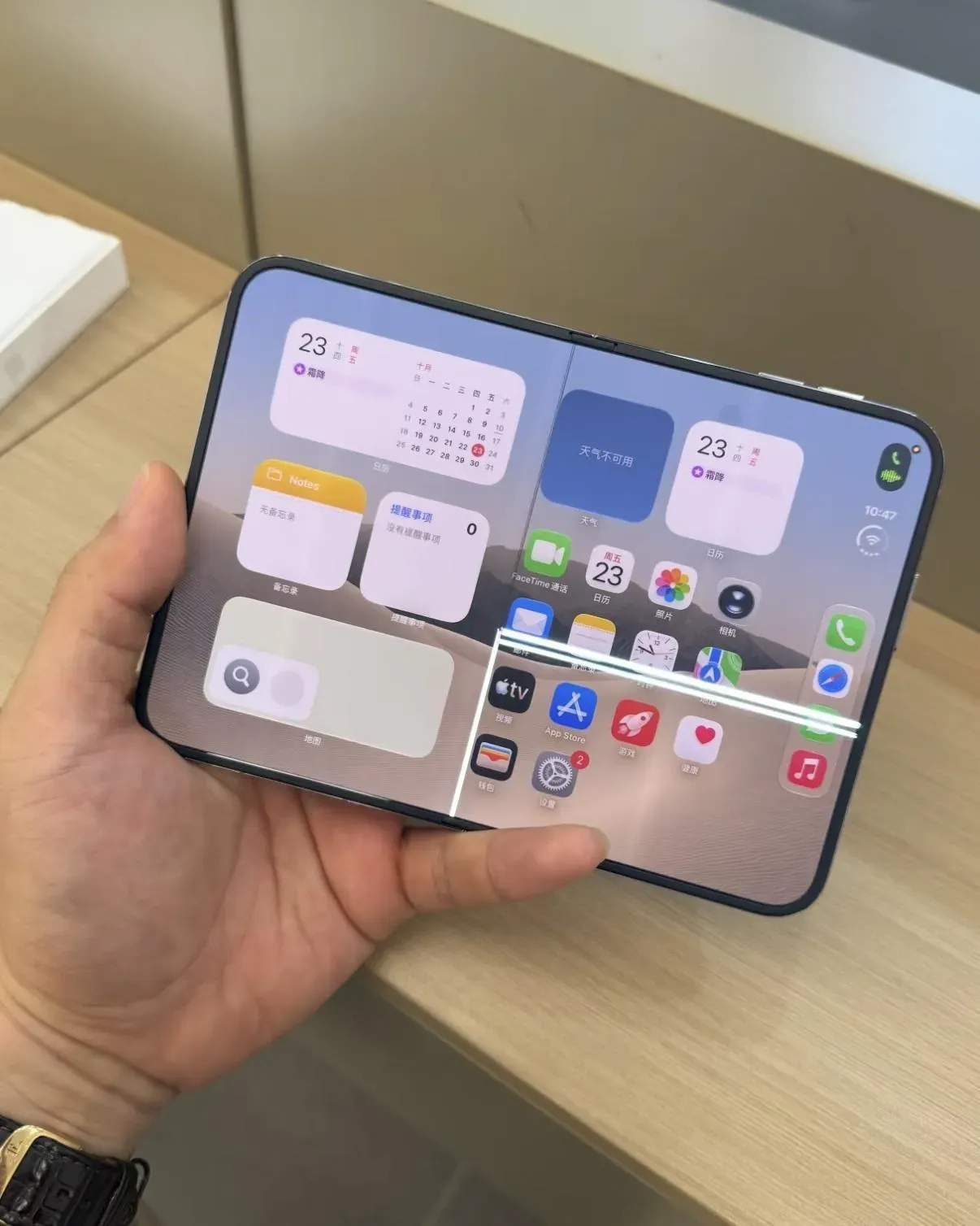
A YouTuber dissected the iPhone Duo and thinks he found crackgate's cause
CuriousHagi's teardown of Apple's foldable reveals a gear-like hinge that may explain why screens crack in the same spot within hours.

Google quietly links your phone number to every Android account on your SIM
Adding a SIM now ties your phone number to all Google accounts - and future accounts inherit it. Here's the security and privacy stakes.