

Edelman: 42% of workers would switch departments to avoid a boss who votes differently
The trust gap is splintering workplaces, but CEOs can rebuild connection through common ground, AI inclusion, and transparency.

Edelman, whose Trust Barometer tracks Americans' confidence in institutions, shared new data at his Trust Summit in New York. The findings warn that ideological silos are reshaping how workers get news, talk to managers, and decide whether to stay, forcing CEOs to rethink trust-building.
Good morning. If you lead teams in the US, there is a number you should treat like an early warning light, not a trivia item. At Edelman’s annual Trust Summit in New York, Richard Edelman shared that 42% of workers would rather switch departments than report to a boss who votes differently. That is a direct signal that workplace trust is no longer just about compensation or career growth. It is about whether people feel safe, heard, and aligned enough to do their job without constant ideological friction.
It gets sharper. Edelman also said most now get their news only from outlets that echo their own views, and Americans are retreating into ideological silos. For CEOs, the implication is brutal and practical: even if you fix pay, benefits, and performance reviews, you still may be running a “trust system” that is already broken by the information and values employees bring into work every day. The question on every leader’s mind at the summit was not “how do we train harder.” It was “how do we rebuild trust in an insular world.”
So what do leaders do when the problem is culture and perception, not just skills? Edelman’s takeaways were unusually operational for a trust report. First, create common ground. That sounds soft until you realize it is an engineering challenge: common ground has to be designed into meetings, workflows, and decision processes, so employees experience connection instead of debate-as-default. Second, bring workers into the conversation about AI. The point is not technical. It is relational. A lot of CEOs focus on training their people; few talk about working with them. In other words, leaders are upgrading tools without co-authoring the future with the people expected to use them.
Third, don’t try to change people’s minds. That advice matters because it challenges a common executive reflex. When trust frays along ideological lines, leaders often treat disagreement like an obstacle to be defeated. Edelman’s framing shifts it toward listening. Ask: how can we use AI to reimagine the workplace to spark joy and not just productivity? Ask: how do we find common ground? Those questions are designed to move the conversation from ideology to lived experience, from “who is right” to “what will we build together.”
Fourth, find honest brokers. These are the social connectors and groups that invest in your community, plus the managers who are transparent and trusted by your people. Notice what is not on the list: a PR campaign, a quarterly all-hands speech, or a “values statement” posted on the intranet and forgotten. Edelman is pointing to trust infrastructure. If certain managers act as honest brokers, they can translate between employee subgroups that otherwise only speak to themselves. He also explicitly warns not to underestimate the power of the middle manager, the person who turns corporate intent into daily reality.
Fifth, create a culture of genuine respect and curiosity, with clear values but respect for differences. Get to know your neighbors and connect as human beings. Edelman supports this with a real-world example: the large-scale pushback against ICE raids in Minnesota. He described it as a testament to the power of community, more about citizens standing up for their neighbors, colleagues, and friends than left vs. right. The lesson for executives is not about partisan alignment. It is about mobilizing shared stakes, where people act because their workplace and community are interwoven.
Sixth, be transparent. Transparency is framed as a trust builder across supply chains and communications, and it also connects to labor economics. People trust their employer more than any other institution, which makes the workplace a powerful vehicle for information sharing. But Edelman also noted that transparency can point to problems: 70% of respondents in the Edelman global survey said they believe CEOs are not being honest about job cuts. That is the trust paradox. The more layoffs or restructuring you face, the higher the cost of perceived misalignment between what leadership says and what workers experience. Pay transparency is another pressure point, because it reveals a growing divide between CEO and worker pay that can be hard to defend.
Finally, Edelman urged leaders to be “Polynational.” America is not alone in pushing a nationalist agenda in manufacturing, consumption, exports, and immigration. More than two-thirds of people in developed markets prefer to buy brands made in their own country, up five points since 2023, according to Edelman. For CEOs operating in multiple markets, the second-order implication is strategic: companies that want to succeed have to decentralize and restructure to become truly local players. That applies internally too. If your workforce is fragmenting into information silos, you may need local trust practices, not one-size-fits-all messaging.
The take-home for boards and C-suite teams is simple: trust is becoming a competitive advantage built in real time, not a reputation managed after the fact. When 42% of workers say they would switch departments over a manager’s voting, it signals that the next wave of leadership is less about messaging and more about designing common ground, scaling honest brokers, and using transparency to reduce the gap between CEO narratives and employee reality.
This story's Key Insights and Take-aways are locked.
Create a free account to unlock Executive Actions for one credit.
Register to UnlockAlways free for Executives Club members. Join the Club
More in Business

Uber buys Delivery Hero for nearly $15B, vaulting to top food delivery outside China
The deal doubles Uber's dual-services footprint and pushes a ride-and-eats bundling play into 50 more markets.

Epic and Google drop settlement bid, forcing rival Android app stores by July 22
Google told the court it is ready to carry third-party app stores starting Wednesday, July 22.
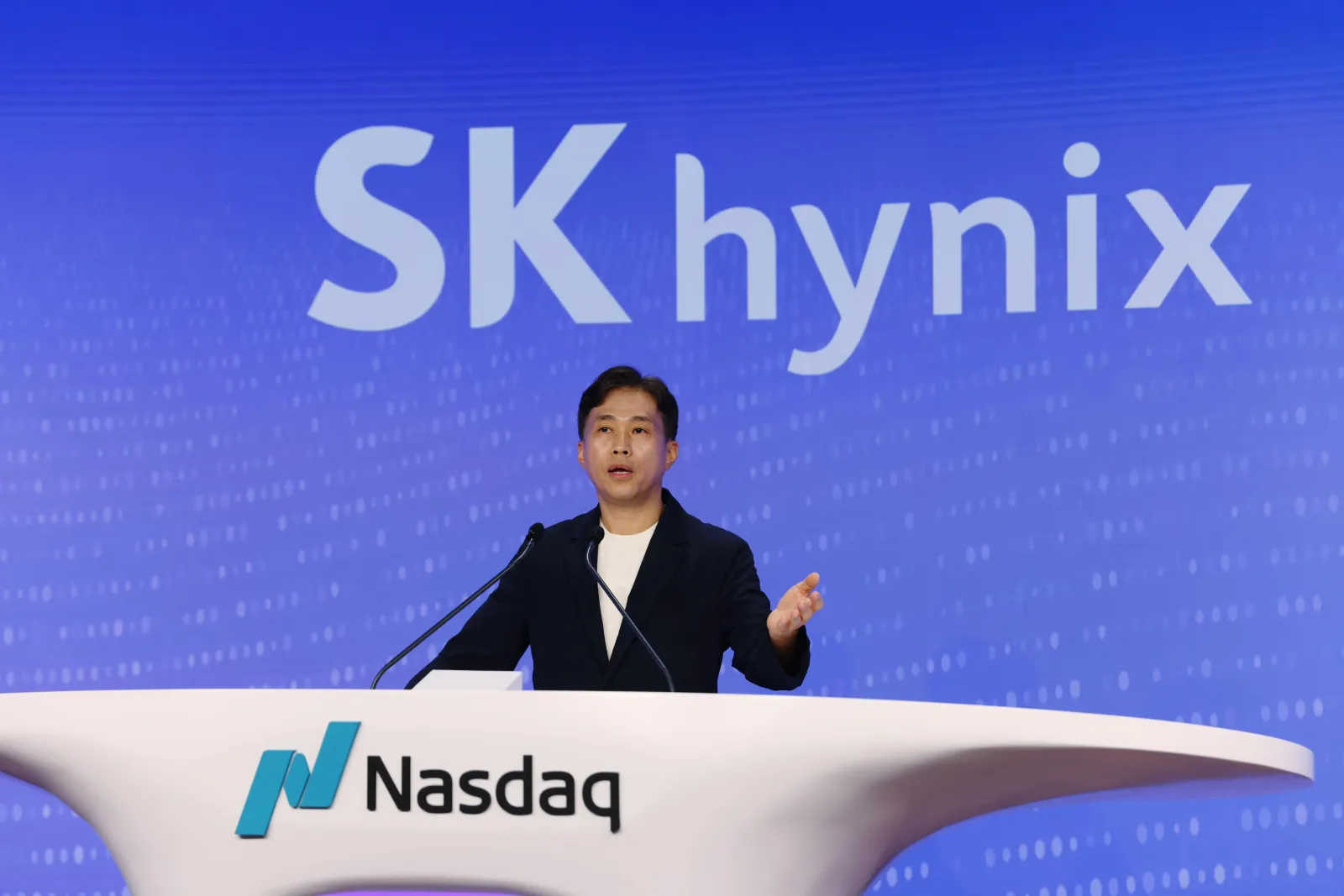
SK Hynix opens at $170, raises $26.5B, and tops foreign IPO records
In Friday's Wall Street debut, SK Hynix turns AI RAM demand into a $26.5B fundraising moment that rewrites comps.