

Electric Callboy and The Offspring team up for “Let the Good Times Roll”
Dexter Holland features on a genre-mash single from Electric Callboy's August 7 album, Tanzneid.
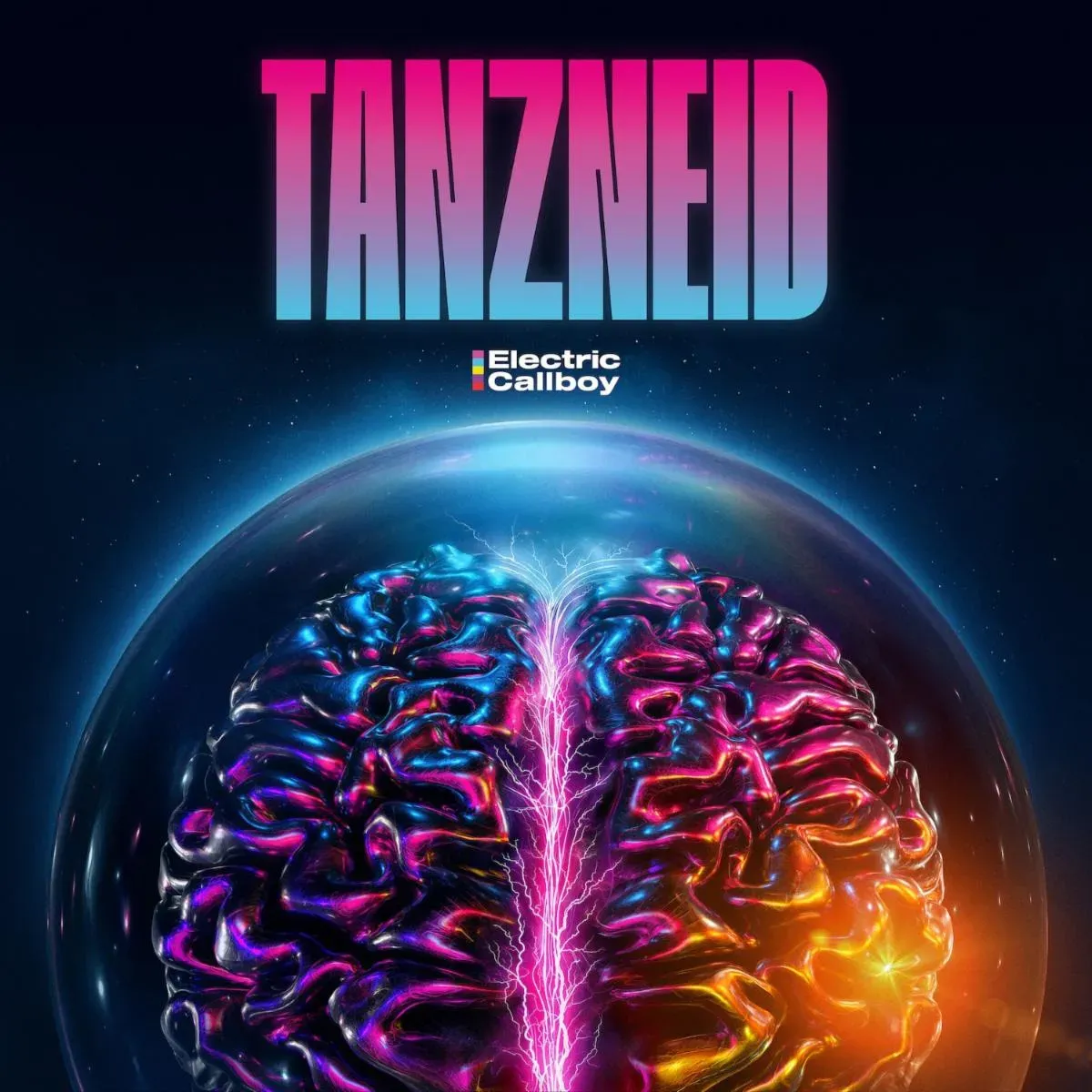
Electric Callboy released “Let the Good Times Roll,” featuring The Offspring’s Dexter Holland, as the latest single from their upcoming album Tanzneid. The track arrives ahead of the August 7 release via Century Media, and it signals a deliberate push beyond scene boundaries for decision-makers watching audience crossovers.
Electric Callboy have unleashed “Let the Good Times Roll” featuring The Offspring’s Dexter Holland, and it is not a polite collaboration. It is a pop-filled, defiant swing that blends multiple lanes at once, then dares listeners to accept the mix as coherent instead of gimmicky.
This single is the latest preview from Electric Callboy’s upcoming album, Tanzneid, which is set to release August 7 via Century Media. The timing matters. Singles today are not just marketing beats, they are data collection moments: they test whether a broader audience will follow the artist into a new release cycle, and whether that broader reach sticks beyond the initial novelty of the feature.
So what is actually in the song? The source describes it as a varied combination of pop, EDM, metalcore, and punk. That is a lot of identity switching, in rapid succession, and the track reportedly moves “in a bewildering and unique fashion.” The point for executives is not the music theory. It is the product strategy. Electric Callboy are positioning the album as something that refuses to behave like a single-genre shelf item. When an act combines pop accessibility with heavier scene credibility, the upside is a wider audience. The risk is alienation from either side. That is why the guest choice is strategic, even before you get to the sound.
Dexter Holland brings an immediately recognizable punk lineage through The Offspring, and Electric Callboy using him as a featured touchpoint is a classic bridge move. Instead of asking a punk listener to “convert,” the collaboration lets them recognize DNA on day one. Meanwhile, pop and EDM listeners get a track that leans into rhythm and catchiness rather than treating heaviness as the only identity. If the single lands, it can reduce friction in streaming discovery and playlists, because the song reads as relevant to more than one set of gatekeepers.
There is also an industry incentive behind these kinds of genre-crossing announcements. Century Media’s role matters because labels and distribution partners are often measured by repeatable release performance: can a project keep attention through the pre-release window and then convert it into full-album consumption? A collaboration with a high-visibility name from an adjacent mainstream-heavy lane can help stabilize that conversion by broadening top-of-funnel reach. In other words, it is not just “more clicks.” It is more certainty that the audience is coming from multiple places.
Regulatory background is not usually front-and-center in music release coverage, but decision-makers still care about compliance because genre mixing can create practical issues: lyrical content labeling, platform guidelines, and marketing eligibility can shift based on how songs are classified and promoted. While the source does not mention any compliance changes for this release, the business reality is that genre-blending often affects how services surface content, how broadcasters categorize it, and how age or content filters might apply. Executives watching catalog and release operations should treat cross-genre rollouts as both a creative and an operational challenge, not just an artistic one.
The second-order implication for other boards and operators is that collaborations are becoming a cross-audience distribution tactic, not merely a fan-service gesture. Electric Callboy are effectively testing whether “genre defiance” can be packaged into a mainstream-leaning single without losing the edge that got them there. If Tanzneid performs well after an August 7 release date, it strengthens the case for future campaigns built around recognizable crossover guests and multi-genre sonic signatures.
For peers tracking similar strategies, the stakes are straightforward. A release like this can reset expectations for what listeners will accept and what platforms will recommend. Get the bridge right, and you expand the market. Get it wrong, and you spend the album cycle fighting confusion rather than converting curiosity into repeat listens. Either way, “Let the Good Times Roll” is a clear signal that Electric Callboy are choosing reach and range over neat categorization, and they are doing it with a feature that instantly tells you they mean business.
This story's Key Insights and Take-aways are locked.
Create a free account to unlock Executive Actions for one credit.
Register to UnlockAlways free for Executives Club members. Join the Club
More in Entertainment

Christopher Nolan’s “The Odyssey” posts his biggest Tuesday haul, surpassing “The Dark Knight’s” record
The film’s Tuesday breakout reframes Nolan’s box-office ceiling and forces competitors to rethink timing, budgets, and release strategy.

Kacey Musgraves cancels Aug. 20, 29, Sept. 2 Middle of Nowhere shows
Ticketmaster emails are telling fans refunds are coming, while the tour still starts Aug. 21 in Chicago.

Billie Joe Armstrong launches Epiphone Les Paul Junior and Marshall 1959BJA signature gear
Two limited releases turn decades of Green Day’s tone into branded hardware, including Marshall’s first artist amp in 14 years.