

Electric car insurance still scares buyers. Here’s what regulators and insurers are trying
The problem is real, and the fixes are specific: insurers, policy design, and data are all in play.
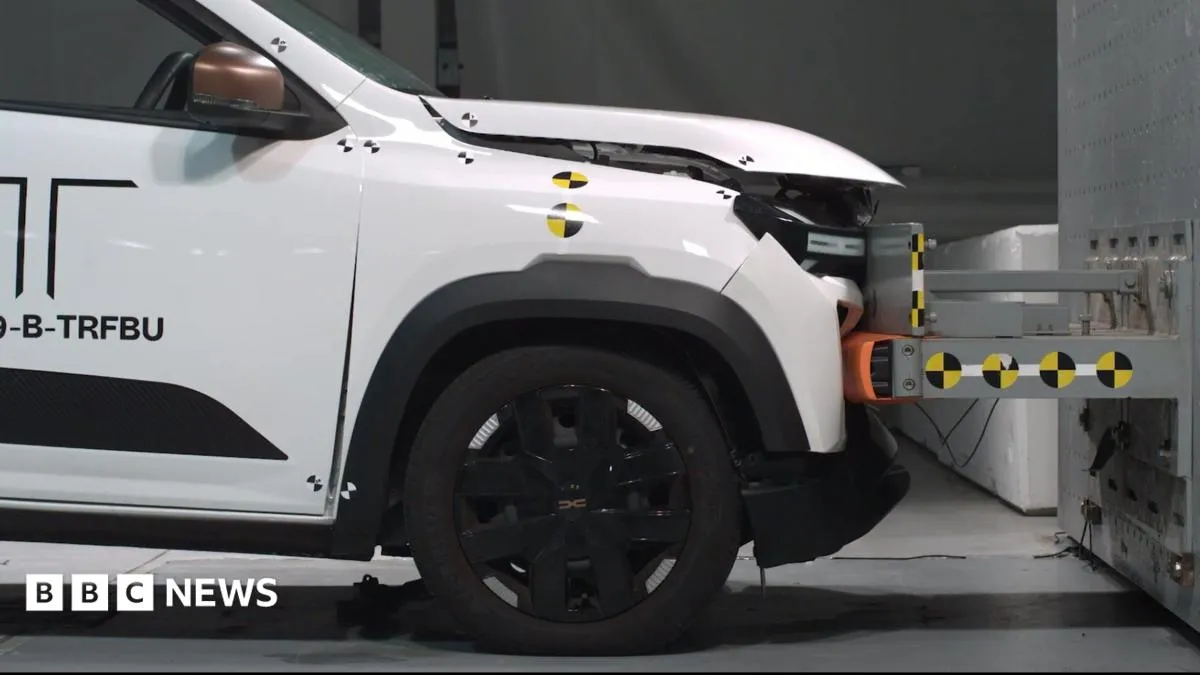
Electric vehicle insurance costs are still putting off many would-be buyers, according to BBC News. The consequence for decision-makers is clear: addressing insurance friction is now part of the competitiveness fight for EV adoption.
Electric cars cost more to insure, and that price tag is still scaring off would-be buyers, according to BBC News. The issue is not just a consumer annoyance. It is a friction point that directly affects how quickly EVs move from “interesting” to “default,” because monthly ownership costs are what finally push people over the edge.
So what can be done about it? BBC frames the conversation around the insurance cost gap and explores the steps being considered to reduce it. The core idea is simple: if insurers can price risk more accurately and if policy design pushes the right incentives, the premium can come down. That matters because EV adoption is not only about purchase price and charging infrastructure. Insurance is part of the total cost of ownership, and if that component stays high, demand cools.
To understand why this happens, it helps to look at how auto insurance actually gets priced. Insurers set premiums based on expected claims, and the most stubborn drivers of cost are losses, not marketing. Electric vehicles introduce a different risk profile compared with gas cars, and even when an EV is perfectly safe, the insurance market may not yet treat it as “normal” in the way it treats older, fully understood vehicle models. That gap can show up in higher premiums, because insurers rely on claims experience, repair costs, and how often incidents lead to expensive outcomes.
There is also a timing issue. Insurance pricing takes time to catch up. If EVs are still a smaller share of the car parc, the market has fewer real-world claims data points to calibrate risk. Meanwhile, repairs can look different. Many EV components are expensive and specialized, and that can make claim payouts higher. Put simply: even if the underlying accident rate is not drastically worse, the cost of fixing the damage can pull premiums upward.
Now comes the part that matters for anyone trying to move a market: “what’s being done about it” is not one lever. The BBC piece points toward efforts across insurers and the regulatory environment, aiming to make the pricing and the incentives work better. Regulators and industry participants can push for transparency around how risk is assessed, and they can also pressure insurers to use data in a way that does not over-penalize early adopters forever.
When an insurance product is mispriced, the feedback loop can become self-reinforcing. Higher premiums reduce uptake. Lower uptake slows the accumulation of claims data. Slower data accumulation makes pricing stay conservative. Breaking that loop is exactly what the “being done about it” theme implies: improve risk assessment and adjust the way premiums reflect real exposure, rather than lingering uncertainty.
There is also a consumer and policy-design angle. If the insurance barrier remains high, EV adoption can become uneven across income groups and regions, which is bad news for emissions targets and for automakers trying to scale production. That is why insurance cost is increasingly discussed alongside purchase subsidies and charging rollout. In practical terms, reducing premiums can change demand faster than some longer-term initiatives, because it directly lowers the monthly cost of ownership at the moment a buyer is deciding.
For executives, the strategic stakes are straightforward. Boards and leadership teams are not just competing on vehicle specs and manufacturing efficiency. They are competing on the customer’s whole cost stack, including insurance. If premiums trend down as insurers get better at pricing and regulators support smarter frameworks, EVs can become easier to sell and easier to finance. If premiums stay elevated, it becomes harder to hit sales targets and harder to maintain momentum, even if the technology itself is improving.
The takeaway from the BBC framing is that this is a solvable market mechanics problem, not a permanent penalty. The path to lower insurance costs likely runs through better data, improved risk pricing, and regulatory approaches that reward accurate underwriting instead of blanket caution. For leaders in mobility, auto finance, and policy-adjacent roles, the question is no longer whether insurance matters, but how quickly the ecosystem can adjust before the insurance barrier continues to delay the next wave of buyers.
This story's Key Insights and Take-aways are locked.
Create a free account to unlock Executive Actions for one credit.
Register to UnlockAlways free for Executives Club members. Join the Club
More in Business

AstraZeneca $27B wipeout as Wainua late trial misses cardiovascular target
A failed late-stage heart study triggered a swift market punishment, forcing investors and boards to reset timelines and risk.

Comcast shares jump 25% as it plans to split NBCUniversal and Sky
The tax-free spin-off could reshape focus, funding, and competition across media and tech for years.

Bungie cuts most Destiny 2 staff as Sony says Marathon still matters
Herman Hulst confirms layoffs affecting most Destiny and some Marathon teams after Bungie admits Destiny fell short.