

Electric cars still cost more to insure, blocking buyers and slowing adoption.
Here are the drivers behind higher premiums and the practical steps regulators and insurers are taking.
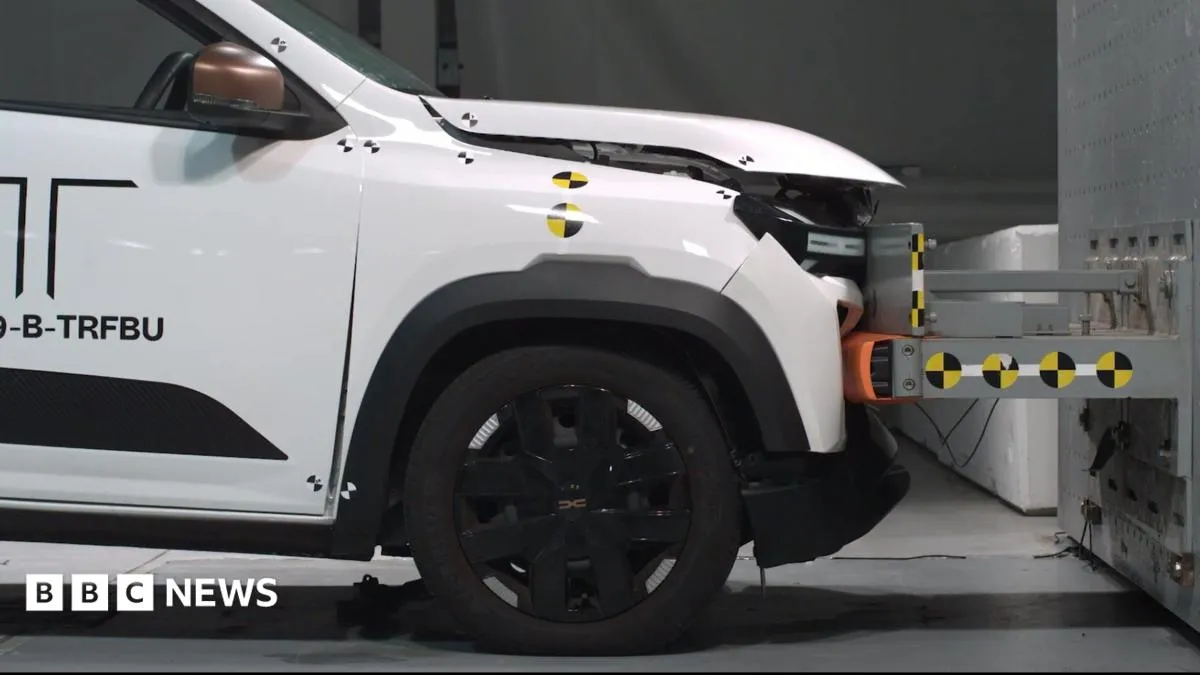
BBC News reports that the insurance cost of electric vehicles is still putting many would-be buyers off. The consequence for decision-makers is clear: higher total cost of ownership can stall EV demand and the policy momentum behind it.
Electric cars are still running into a very unglamorous barrier: insurance premiums that many would-be buyers feel in their wallet, not on a spreadsheet. BBC News frames the issue plainly, then asks the right follow-up question: if EVs are supposed to be the future, what is driving higher insurance costs and what is being done to address it?
The headline answer is not that EVs are “mystically” expensive to cover. It is that the insurance side of the market has friction, and friction can turn into real purchasing hesitation. When insurance costs stay high relative to expectations, they raise the monthly cost of owning the car, especially for people comparing mainstream alternatives. That matters because EV adoption does not hinge only on vehicle price or charging convenience. It also hinges on the less-discussed line item that follows you every year: the price to be insured.
To understand why this happens, it helps to remember how car insurance pricing works in general. Insurers look at expected costs: how often accidents happen, how severe the claims are, and how expensive repairs can be. For EVs, the “how expensive are repairs?” question is the big wildcard. Electric vehicles have different components, high-voltage systems, and specialized parts that can make damage claims more complex and potentially more costly than repairs for an equivalent gasoline model. Even if EV safety performance is strong in some contexts, insurers still have to price based on claim outcomes and repair realities.
There is also a market-structure problem. Insurance pricing is not a one-click switch. It is a feedback loop. If EVs are a smaller share of the fleet, insurers may have less historical data, which can lead to broader assumptions or more conservative pricing. As EV penetration grows, pricing can become more precise. But until that happens, higher premiums can linger longer than buyers expect.
BBC News also points toward the second part of the story, which is what can be done. When a cost is shaped by both technical risk factors and market process, solutions typically come from a combination of better information, better underwriting, and better repair and claims ecosystems. That means efforts to reduce uncertainty, improve claim handling, and expand the ability to repair EVs efficiently can all affect premiums over time. If repairs take less time, cost less, and return cars to the road faster, expected loss costs can fall. Lower expected loss costs are how premium levels can eventually compress.
Regulators enter this kind of problem because insurance is a regulated industry, and because the “consumer impact” of premiums is not a small nuisance. When insurance prices deter purchase, they can slow adoption and undermine policy goals aimed at reducing emissions. The practical policy challenge is to ensure that premiums reflect genuine risk rather than temporary data gaps or bottlenecks in repair capacity. Over time, regulators can nudge the market toward clearer risk assessment and fairer outcomes, but they cannot force physics or repair supply chains to change overnight.
For executives, the real strategic takeaway is that EV competition is not only a race for charging networks and cheaper batteries. It is also a race to make ownership economics predictable. Higher insurance costs can be a hidden drag on demand, and demand is what funds scale. If insurers can price EV risk more accurately and bring down claim and repair friction, that can reduce a major barrier for customers and help adoption curves. If they cannot, EV brands and OEMs may find that even impressive product offerings are slowed by costs that customers do not control.
Boards and C-suite leaders should treat insurance as part of the EV value chain, not a separate universe. In the short term, marketing claims about affordability can be undermined if buyers face a surprise premium at checkout. In the medium term, underwriting data, repair capacity partnerships, and regulatory engagement can become differentiators. And in the long term, the EV market benefits when the “cost to insure” line stops acting like a brake pedal on adoption.
This story's Key Insights and Take-aways are locked.
Create a free account to unlock Executive Actions for one credit.
Register to UnlockAlways free for Executives Club members. Join the Club
More in Business

Comcast shares jump 25% as it plans to split NBCUniversal and Sky
The tax-free spin-off could reshape focus, funding, and competition across media and tech for years.

Bungie cuts most Destiny 2 staff as Sony says Marathon still matters
Herman Hulst confirms layoffs affecting most Destiny and some Marathon teams after Bungie admits Destiny fell short.

SK Hynix jumps 11% after seeking up to $29.4B in Nasdaq listing
The chip giant filed for a Nasdaq listing plan that could raise $29.4 billion, instantly reshaping investor expectations.