
Embark cuts Arc Raiders updates to twice yearly, ending the monthly cadence
The 2026 roadmap shifts from monthly drops to two major content updates per year, with a dedicated live service team intact.
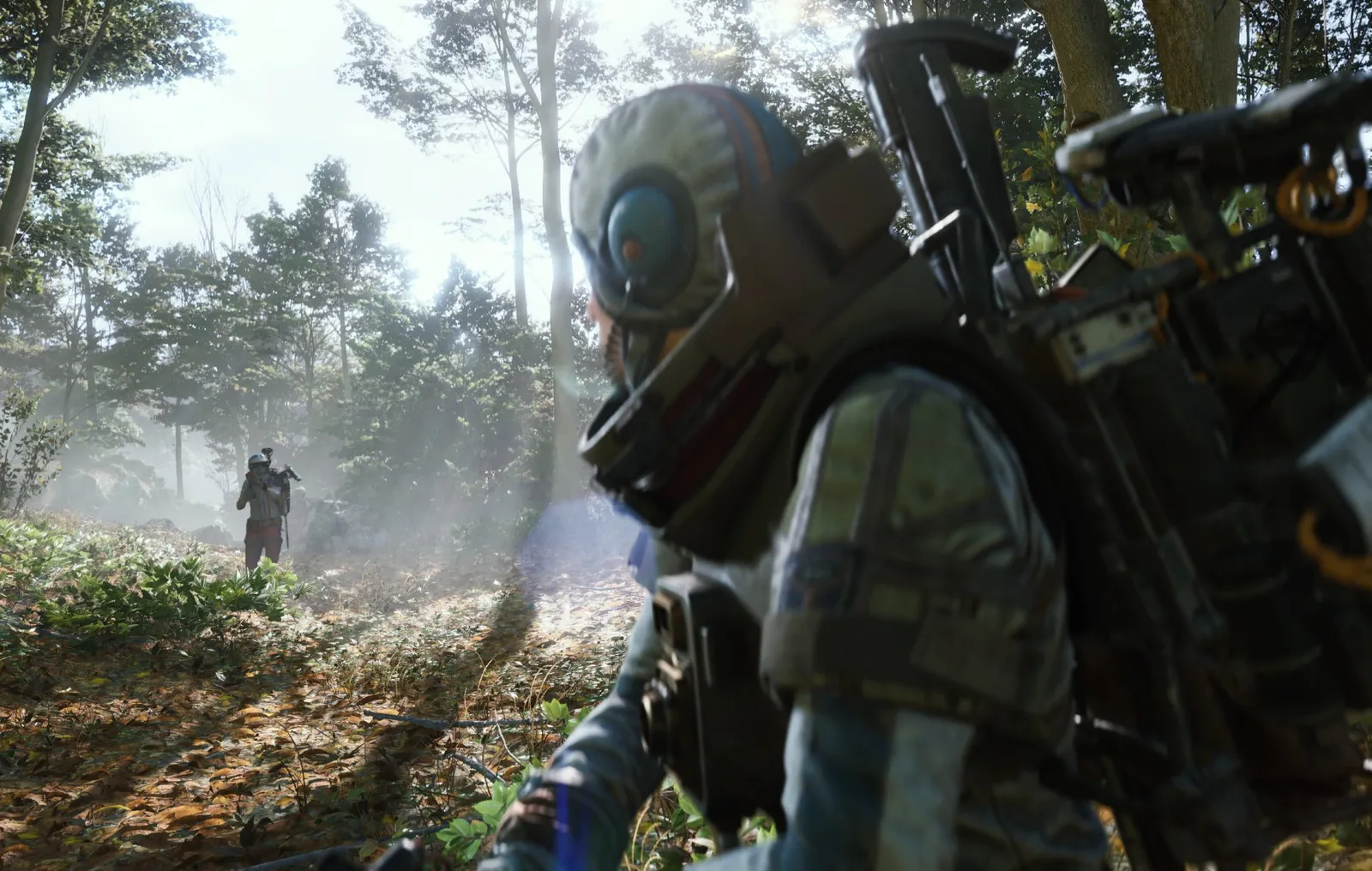
Embark says Arc Raiders will move to one major content update every six months, with major updates released twice a year. For decision-makers, the cadence change reshapes how live ops resources, retention strategy, and economy or anti-cheat investment are prioritized.
Arc Raiders is about to stop behaving like a constant stream and start behaving like a schedule. Embark has decided Arc Raiders will move to “major updates twice a year - larger in scale, more impactful,” replacing the monthly updates that happened after launch.
In the same announcement, Embark also insists nothing essential disappears: “a dedicated live service team will continue running ARC Raiders day-to-day.” That means regular live updates, plus balance fixes, bug fixes, store updates, and player events continue, while the extra development space is used to invest deeper in progression and economy balancing and in “fair play and anti-cheat efforts.” If you are watching live-service games for retention signals, this is a big operational pivot, not just a publishing calendar tweak.
So what is actually changing for players in 2026? The update rhythm. Instead of frequent smaller drops, the game will deliver one major content update every six months. That is a clear strategic trade. Monthly updates can reduce perceived staleness, but they also spread development effort across more frequent “shipping moments.” Biannual major updates, on the other hand, let teams consolidate content production so each release has room to be more systemic and more game-changing, which is exactly what Embark claims is the point: updates intended to “genuinely change how you play the game.”
For execs, the most important line is the rationale because it maps directly to how live-service budgets tend to get squeezed. Embark explicitly frames “progression and economy balancing to fair play and anti-cheat efforts” as “foundational to the experience” in a game where “every encounter and extraction matters.” That detail matters because it tells you what they believe will make or break long-term engagement: not just new maps or cosmetic store items, but the health of core systems and competitive integrity. In live games, these are often the issues that surface slowly, then hit hard, after players have settled into daily routines.
This is where incentives get interesting. A monthly schedule can put pressure on teams to keep delivering visible updates, sometimes before the deeper tuning work is fully done. Embark’s shift suggests they want to protect time for harder-to-see work: balancing progression, stabilizing the economy, and strengthening fair play and anti-cheat. Second-order implication: if those areas improve, it can reduce churn driven by frustration (for example, perceived imbalance or exploits) that often becomes louder once a community scales. The announcement also implies that frequent small updates were not necessarily being cut, just the frequency of major content drops.
Operationally, Embark says the day-to-day work will continue without interruption thanks to a dedicated live service team. That matters because it separates “major content cadence” from “service continuity.” In practical terms, regular live updates, balance fixes, bug fixes, store updates, and player events are still on the table. So if you are thinking like a board member, you do not just evaluate the headline schedule change. You evaluate whether service coverage remains strong enough that players do not interpret the slowdown as neglect.
There is also a broader industry pattern behind decisions like this. Live-service studios often rebalance roadmaps when they learn that the hardest parts of the product are the invisible systems. Progression economies, matchmaking health, and cheat prevention are not only technical tasks; they are trust tasks. When Embark emphasizes anti-cheat and fair play, they are telling you where they expect the real risk and real differentiation to live. It is also a reminder that game companies are operating under scrutiny in multiple directions. Player communities watch for fairness and exploits, and regulators in adjacent areas across the tech and gaming space increasingly focus on consumer protection themes like misleading practices and exploit harms. Even though this specific NME piece does not cite any regulator, the mention of anti-cheat signals the company’s awareness of integrity obligations that extend beyond pure gameplay.
Finally, this roadmap update is not just for Arc Raiders players. It is a reference point for anyone building or funding live multiplayer. Embark is effectively saying: we will trade frequency for impact, but we will not trade integrity or service coverage. If you are running a portfolio or managing a live-service product, the strategic stake is simple. Major cadence decisions influence staffing, cost planning, QA cycles, and what kind of player promises you can credibly keep over a year. A biannual major update model can work, but only if the “day-to-day” layer stays healthy. Embark is betting that it can, while investing more deeply in the progression and economy balancing and the fair play and anti-cheat work that it says is foundational where “every encounter and extraction matters.”
This story's Key Insights and Take-aways are locked.
Create a free account to unlock Executive Actions for one credit.
Register to UnlockAlways free for Executives Club members. Join the Club
More in Science

Alaska's 1,580-foot tsunami had warning signs. Scientists just found them.
Rapid glacier retreat, heavy rainfall, and thousands of tiny tremors preceded Alaska's 1,580-foot tsunami, a warning for every coastal community in a warming world.

The rare mutation that lets high-risk brains dodge Alzheimer's
Scientists found a natural defense against protein buildup, opening a new path to preventive treatments.

3,000 steps a day may halve Alzheimer's decline, study finds
New research links a modest daily walk to less tau buildup and nearly half the cognitive and functional decline, even for those with early signs.