
Emergency vet bills can hit $8,000, forcing pet parents into debt-and-death choices
Rover data shows 38% of pet parents borrow for emergencies, despite most thinking they were financially ready.
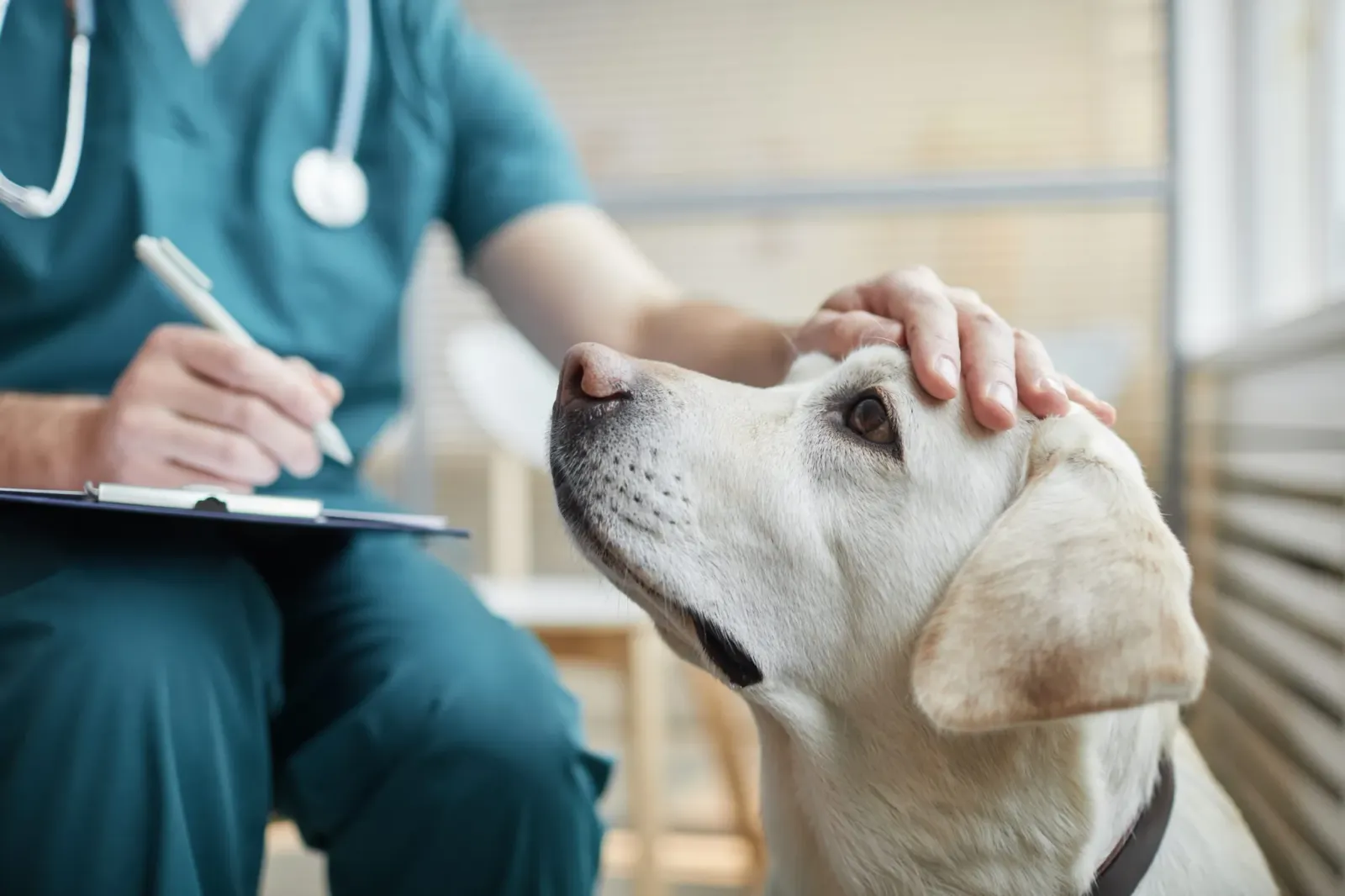
Fortune reports Rover’s 2026 Cost of Dog Parenthood Report shows 38% of pet parents could not cover an emergency vet visit without taking on debt, and only 10% have emergency savings. The consequence for decision-makers is clear: rising animal care costs are reshaping consumer behavior, including skipping care or turning to crowdfunding.
A typical emergency vet visit starts around $300 and can run to $4,000 once diagnostics and an overnight stay get added in. And then there is the part that turns a scary day into a financial cliff: surgeries can cost $5,000 to $8,000 or more at some specialty centers, according to Dr. Rebecca Greenstein, a veterinary medical advisor for Rover, speaking to Fortune.
That price gap is colliding with how Americans actually budget. New 2026 data from Rover’s Cost of Dog Parenthood Report shared with Fortune found 38% of pet parents could not cover an emergency vet visit without taking on debt, even though nearly nine in 10 said they’d felt financially prepared before bringing a pet home. Meanwhile, only 10% of pet parents have set aside savings specifically for emergencies. In other words, the “life and death” decision is being made in the shadow of a checking account.
This is not just a sad anecdote about one unlucky family. It is a system problem with measurable downstream effects. Rover’s Greenstein told Fortune that younger owners often think of pets like family, but still have to delay vet care or defer their own personal financial responsibilities to service the costs of taking care of their pets. When the bill shows up and the savings do not, decisions start to look less like medicine and more like triage.
Other data backs the same pattern of missed care. A 2025 PetSmart Charities-Gallup State of Pet Care study, based on nearly 2,500 dog and cat owners, found that more than half of U.S. pet owners (52%) skipped needed veterinary care in the past year. For most of them, money was the reason: 71% of those who declined or skipped care pointed to cost. And the stakes were dire: among owners who turned down a vet’s recommendation, 14% said their pet’s condition got worse or their pet died. Another data point is even harsher for the broader risk picture: three in 10 owners said they personally knew someone whose pet had died in the past five years because the family could not afford treatment.
The financial math is getting tighter, too. Gallup found prices have risen more than 60% since 2014, and Rover’s Greenstein specifically warned that pet parents underestimate the cost of emergency care for unexpected illnesses and injuries. “You can predict your dog’s food expenses almost to the penny, but no one ever thinks their dog will break a bone or swallow a sock,” she said to Fortune, capturing the mismatch between predictable monthly spend and unpredictable, four-figure shocks.
When people cannot absorb those shocks, they look for alternative funding mechanisms, and crowdfunding has become one of them. Fortune notes that scrolling GoFundMe’s animal category shows a repeating pattern: campaigns for a dog hit by a car, a cat with a blocked bladder, a puppy that swallowed something it should not have. One example Fortune includes is Cayman, a dog recently attacked by a bear. A GoFundMe page says the injuries were extensive, the emergency surgery was “just the beginning,” and that the dog would need more ongoing veterinary care, surgery, and medications. They are raising $8,000 to cover Cayman’s medical expenses and care. The second-order story here is that emergency medicine is increasingly being processed through consumer finance channels, not just clinics and insurers.
The pressure also extends beyond emergencies. Rover projects dog-care costs could rise as much as 15% this year, driven by higher vet fees and tariff-inflated prices on food and supplies. Rover also pegs the lifetime cost of a medium-sized dog between $35,415 and $43,285. In parallel, 83% of respondents told Rover their pet-related costs have gone up over the past year, and when asked where the pressure was coming from, they pointed first to vet visits, then food, then medications. The timing matters: the rise in pet care costs is hitting when many Americans already feel financially shaky. Edward Jones and Gallup data released this month found only 16% of U.S. adults feel financially fulfilled, while 83%, roughly 216 million people, report stress, strain, or uncertainty about money. For that group, a sudden $4,000 surgery bill is the kind of shock that can crush a budget that looked stable on paper.
For executives and board members watching this space, the key strategic stake is simple: pet care markets are being shaped by consumer risk capacity, not just demand or brand love. Rover’s survey suggests owners still prioritize their pets, with 88% saying their pet brings them the most joy in return and a majority calling pet expenses non-negotiable. More than half said pet food, supplies, and vet care would be the last thing they would cut. But non-negotiable spend does not mean the cash is available. So the real question becomes whether businesses, investors, and service providers can adapt to a world where more emergencies trigger debt, skipped care, and crowdfunding instead of timely treatment. That is where the financial anxiety becomes operational, and where the “life and death” label stops being metaphor and starts being policy, product, and pricing.
This story's Key Insights and Take-aways are locked.
Create a free account to unlock Executive Actions for one credit.
Register to UnlockAlways free for Executives Club members. Join the Club
More in Business

Accenture’s $4.18bn play fails as AI fears spark a 20% worst-ever stock plunge
On Thursday, Accenture hit its biggest one-day drop on record after forecasting worries that AI could hollow out consulting.

SpaceX stock jumps 3% after it overtakes Amazon’s market cap
CNBC says SpaceX’s shares surge following its IPO Friday, forcing investors to reprice what “space” and “AI” are worth.

SpaceX’s first options day breaks U.S. records after a $85B IPO win
Big IPO, bigger options debut: what it means for investors, risk teams, and anyone benchmarking market appetite.