

Empire Interactive scraps 3DO console revival after rights fragmentation sinks the plan
The publisher says it only owns “The 3DO Company” brand, not console manufacturing rights.
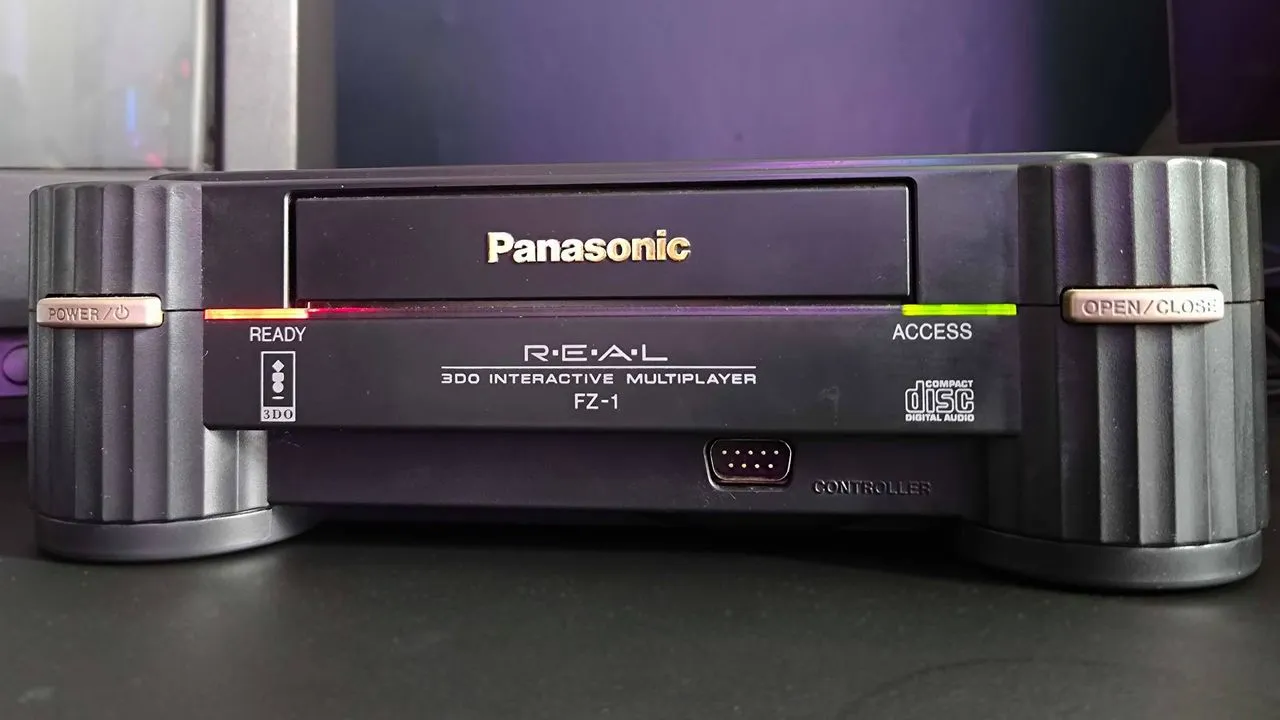
Empire Interactive abandoned plans to produce a 3DO console and remaster retro games, citing multiple parties claiming ownership rights. For decision-makers, the case shows how brand-only control can freeze hardware and remastering bets without clean legal scope.
Empire Interactive has killed its 3DO revival plan, and the reason is painfully specific: it claims it did not anticipate “such fragmentation of rights” across the console and the games. In a LinkedIn post, the publisher announced it is abandoning both “the console production and the idea of remastering retro games,” tying the decision to the emergence of multiple parties claiming ownership rights over both the games and the console manufacturing process. In other words, the project didn’t fail because demand was unproven or technology was impossible. It failed because the legal map got messy before anyone could ship.
The central issue is what Empire Interactive says it actually owns. In an email to Time Extension, Empire Interactive’s founder, Işık Şekercigil, explains that the company acquired rights to “The 3DO Company” brand, not the “3DO console brand.” He adds a key legal distinction: “Although they may seem identical, they are legally different.” Empire Interactive also says the trademark is registered under “The 3DO Company” and is limited to the game development and publishing category, explicitly not console manufacturing or any hardware technology development. That is the line that matters for executives: brand control and publishing category control do not automatically equal permission to manufacture a console or touch the underlying hardware stack.
To understand why this kind of failure is so common in retro hardware comebacks, it helps to remember what made the original 3DO era complicated in the first place. The hardware itself was originally made by third parties like Panasonic and LG, meaning multiple entities were involved in getting a machine out the door. When a console passes through different hands, rights can split across the console brand, manufacturing arrangements, game publishing, trademarks, and even the legal authority to use specific names in specific categories. Empire Interactive’s account portrays exactly that kind of multi-party entanglement: the 3DO becomes less a single product with a single owner and more a tangle of trademarks and ownership claims.
This also explains why Empire Interactive’s exit was framed as a strategic reset instead of a legal war. The publisher said it would not engage in lengthy legal proceedings. Instead, it plans to focus efforts on developing its own next-generation games, citing the niche nature of the market and “the likelihood of prolonged legal disputes.” That language is telling. Even if a company believes it is right, fighting for the right to manufacture or remaster can lock up capital, slow timelines, and create uncertainty that makes partners nervous. For a board, the downside is obvious: delays stack costs, and ambiguity can poison downstream relationships with retailers, licensing partners, and component suppliers.
Empire Interactive is not claiming it has the whole story, either. The source notes that other rights owners contest the company’s claims, including Throwback Entertainment and former Limited Run CEO Josh Fairhurst. That means the practical outcome is already clear even before every argument is settled: any project involving the 3DO branding tied to console production, and possibly certain remastering efforts, is effectively “dead in the water” for the current plan. And even if a company later wins in court, the second-order effect usually shows up first in the market: momentum is gone. Communities move on. Development schedules slip. The next opportunity gets funded instead.
There is also an incentive lesson here for anyone evaluating retro IP as an investment. Clean control matters as much as brand recognition. Empire Interactive may have acquired rights to “The 3DO Company” name, which could still cover certain game-related uses if those fall within the trademark category and existing rights structure. But the company itself says the trademark does not include console manufacturing or hardware technology development. That leaves the practical question hanging: even if Empire Interactive can publish or develop within the allowed category, could it legally build and sell a mini system or remaster specific titles without stepping into someone else’s claims? Empire Interactive’s cautious choice suggests the company does not want to find out the hard way.
The stakes extend beyond 3DO nostalgia, though. Hardware comebacks and remaster roadmaps often sound straightforward to non-lawyers: acquire a brand, modernize the library, ship the product. But this case shows why boards and executive teams treat rights diligence like product diligence. If you cannot manufacture the console or confirm who controls game and manufacturing rights, you can end up funding legal uncertainty instead of engineering. For executives at game publishers, mini-console creators, and retro-label startups, the 3DO is a live example of how fragmentation can turn an exciting announcement into a canceled press release.
If you are still trying to play 3DO games the normal way, Empire Interactive’s own implied path is refreshingly simple: connect a retro console to a new TV or monitor and use the real deal. But for decision-makers watching retro plays, the takeaway is sharper than a nostalgia trip. When rights are split, a “revival” can collapse before it reaches a PCB.
This story's Key Insights and Take-aways are locked.
Create a free account to unlock Executive Actions for one credit.
Register to UnlockAlways free for Executives Club members. Join the Club
More in Business

Google ordered to pay €4.1bn for Android 'blocking' rivals in landmark ruling
EU regulators said Google used Android to squeeze competition, and Google says the verdict ignores its open-source efforts.
Comcast shares jump 25% as it plans to split NBCUniversal and Sky
The tax-free spin-off could reshape focus, funding, and competition across media and tech for years.

Bungie cuts most Destiny 2 staff as Sony says Marathon still matters
Herman Hulst confirms layoffs affecting most Destiny and some Marathon teams after Bungie admits Destiny fell short.