
Endangered Species list gets genome sequencing and tissue biobanking under Colossal Biosciences partnership
Thursdays announcement targets genomes for all listed species, with Colossal Biosciences joining a government effort to preserve tissues.
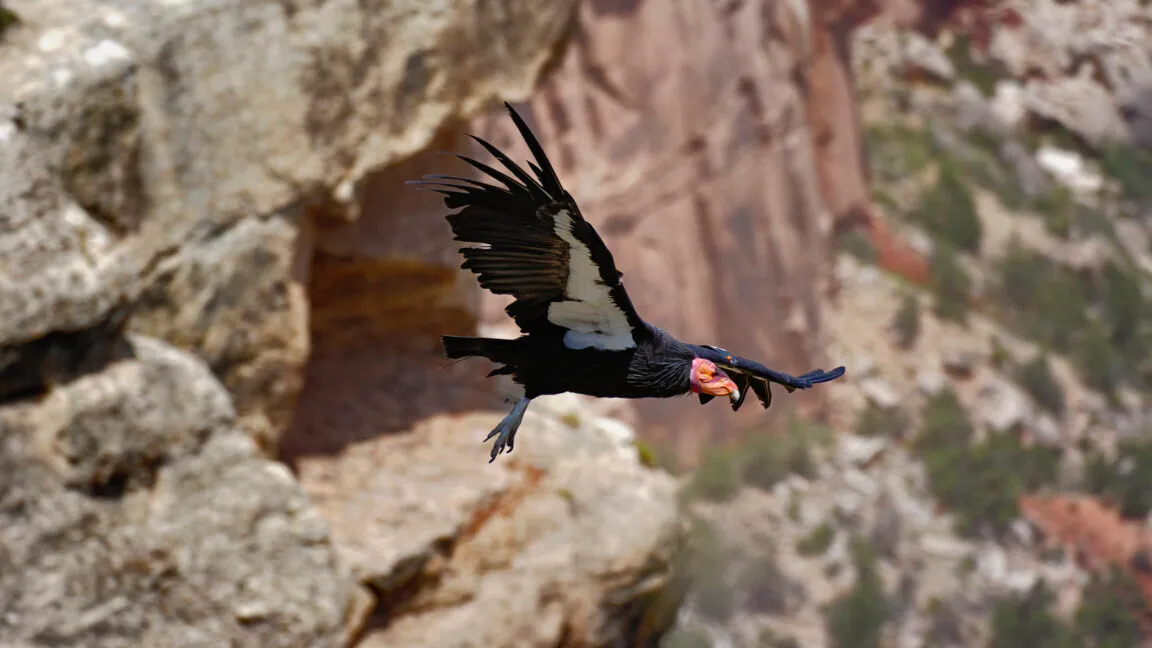
On Thursday, a partnership between the US government and Colossal Biosciences will sequence genomes and preserve tissue samples for the entire US Endangered Species Act list. For executives, it ties conservation infrastructure to a company whose species definition and de-extinction approach have already sparked controversy.
On Thursday, an announcement landed with unusual simplicity: the genomes of all species on the US Endangered Species Act list will be sequenced, and tissue samples will be preserved to support future conservation efforts. This is not a pilot for a few charismatic animals. It is a scale move for conservation science, because it turns biology into an archive that can be reanalyzed later as techniques improve.
The “how” is where decision-makers should pay attention. The work will be done by a partnership between two parties that normally do not overlap in a comfortable way. One partner is the US government, which has generally attempted to undercut the Endangered Species Act as part of its anti-regulatory efforts. The other is Colossal Biosciences, a biotech company with a controversial take on what actually constitutes a species. Even the phrase “unexpected parties” fits, because their incentives and track records point in different directions.
To understand why this partnership matters, start with what the Endangered Species Act is supposed to do. The Act compels the government to identify species at risk of extinction and devise plans to restore populations and the habitats they depend on. There have been spectacular successes, such as the restoration of the bald eagle to much of its original range. But the scale of the problem is still huge: over 2,300 plant and animal populations remain on the list, requiring ongoing government intervention. That means the challenge is not just legal compliance. It is long-term operational capacity, and it has to survive political swings, budget cycles, and shifting scientific capabilities.
Now connect that to the new effort: sequencing genomes and biobanking tissues for the entire list. In plain English, this creates a long-lived dataset and physical reference material. Future researchers can compare genetic diversity, track changes over time, and potentially design interventions with more precision than today’s tools allow. It also changes how conservation programs are evaluated. Instead of relying only on field observations and current-generation lab methods, agencies and partners can build a reference library that future studies can interrogate again and again.
But conservation archives do not exist in a vacuum. They exist inside an ecosystem of incentives. The government is the government, with all the messy policy incentives that come with being tasked to identify species risk and craft restoration plans, while also facing political pressure that has led it to generally attempt to undercut the Endangered Species Act as part of its anti-regulatory efforts. That tension helps explain why a government partnership with a controversial biotech could be possible, even if it feels counterintuitive.
Colossal Biosciences adds a second layer of complexity. The company has always said it had a conservation focus, but its headline-grabbing efforts have been directed toward restoring species that have been driven to extinction. Colossal intends to do that by developing a combination of gene editing and reproductive technologies that it expects it can profitably license. That is a business model built on future demand for technical capabilities, not only on current restoration work.
And then there is the point that has raised some questions: the company’s “dire wolf” announcement, in which only a tiny handful of genetic changes were edited into grey wolves. That detail matters because it is evidence about how the company thinks progress should look, and how quickly. Even without editorializing beyond the source, the implication for readers is clear: the public and scientific communities are watching whether Colossal’s methods and definitions translate into credible conservation outcomes, not just compelling headlines. The new sequencing and tissue preservation project could either broaden that credibility or become another contested example of how biotech companies position conservation as both mission and market.
For executives, boards, and investors, the strategic stake is bigger than a single dataset. When genome sequencing and biobanking become the backbone of conservation planning, the companies and institutions that control collection, standards, and future access can become gatekeepers to downstream opportunities. That affects who gets to participate in future research collaborations, who benefits from tech licensing, and who has influence over interpretation as scientific methods evolve. It also affects reputational risk. A partnership that spans the government and a company with a controversial species framework forces everyone involved to think carefully about legitimacy, transparency, and long-term governance.
In short, this Thursday announcement is a conservation upgrade with a governance and incentive twist. Sequencing the genomes and preserving tissues for all species on the Endangered Species Act list is a massive scientific and operational lift. Doing it with a government actor that has generally attempted to undercut the Act in anti-regulatory efforts and with a biotech that has raised questions through its extinction-focused messaging is the part that should keep executives paying attention. If you are building in life sciences, policy-adjacent tech, or conservation infrastructure, this is a real-world signal that the future of biodiversity work will be decided at the intersection of regulation, data control, and business incentives, not just in the lab.
This story's Key Insights and Take-aways are locked.
Create a free account to unlock Executive Actions for one credit.
Register to UnlockAlways free for Executives Club members. Join the Club
More in Technology

Nvidia's $89B data center quarter: the 9 companies cashing in
The AI buildout is minting fortunes beyond GPUs, and memory, cloud, and cooling suppliers are riding the same wave.

Google quietly links your phone number to every Android account on your SIM
Adding a SIM now ties your phone number to all Google accounts - and future accounts inherit it. Here's the security and privacy stakes.

Hijacker AI 'Skynet mode' runs 100,000 attack steps against exposed models
Symantec caught a criminal AI agent that borrows other models, steals data, and mines crypto; the only relief is no confirmed victims yet.