

Energy IPOs raised $12.6B in H1, the fastest pace since late-1999 dotcom peak
Dealogic data shows energy firms racing to market as AI power demand turns electricity access into the bottleneck.

Energy companies have raised $12.6 billion in IPOs in the first half of this year, the highest half-year level since the late-1999 dotcom peak, according to Dealogic. For executives, the message is blunt: AI is not just driving servers and software, it is accelerating demand for power and turning energy into a capital priority.
Energy companies just pulled off the most telling IPO run in years: $12.6 billion raised in the first half of this year, according to Dealogic. That is the highest half-year level since the peak of the dotcom bubble in late 1999, and also the highest first-half figure on record. It is not a rounding error, either. It is well above 2025’s full-year total of $4.3 billion.
Why does that matter right now? Because these IPOs are happening while investors are hunting for new ways to play the AI boom, and they are increasingly looking past the shiny compute story to the boring-but-make-or-break constraint: electricity. The source frames it clearly. As access to the vast amounts of energy needed to run AI data centers emerges as a bottleneck, capital is flowing toward energy firms that can help solve it. In other words, the money is moving toward the part of the stack that can actually keep up.
If you are an executive trying to make sense of where capital allocation is trending, this is the kind of market signal that shows up before the headlines feel obvious. AI investment is described as multi-trillion-dollar in scale, which is the headline number that investors love. But the operational reality of data centers is that they do not just need chips. They need continuous power, and they need it in the right place, at the right time, with enough reliability to support always-on workloads. When the source says energy access is turning into a bottleneck, it is pointing at a classic constraint problem: once supply cannot keep up, everything else has to wait.
The IPO surge also suggests something about timing and investor behavior. Energy firms are taking advantage of investor appetite for new AI-adjacent bets. An IPO is one of the most public ways a company can turn a “future opportunity” narrative into cash today, and Dealogic’s data implies that the market is currently rewarding that narrative with unusually strong funding momentum. The scale difference is part of the story: $12.6 billion in just the first half of the year, versus $4.3 billion for the entire year of 2025. That jump reads like acceleration, not a gradual slope.
There is also a second-order implication here for governance and board-level oversight. When the capital markets are eager to fund a theme, companies can face two competing pressures. One is to move fast, because the market window might not stay open. The other is to avoid over-optimizing for a hype-driven valuation while ignoring the operational bottlenecks that caused the theme in the first place. Energy projects, grid connection, permitting, and infrastructure timelines typically do not bend quickly, and the source’s framing of energy access as a bottleneck increases the importance of credibility. Boards that do not pressure-test timelines and execution risk could end up with a story that fundraising sells faster than projects deliver.
Regulation is part of the backdrop even when it is not the star of the article. Electricity and grid infrastructure operate under heavy oversight and physical constraints, and data center power buildouts often collide with local planning realities. The source does not spell out specific regulators or filings in this excerpt, but it does connect the dots between AI and energy. When investors flood toward energy IPOs, regulators and local authorities typically become more consequential to the timeline. That means executive teams in both energy and data center industries will likely spend more time navigating approvals, interconnection processes, and compliance requirements that determine whether capacity can be delivered when demand arrives.
For peers in adjacent roles, the strategic stake is straightforward. If investors believe the AI boom is constrained by power access, they will fund the suppliers and infrastructure builders that can reduce that constraint. That can raise the cost of inaction for leaders at data center developers, power users, and even software-first companies that depend on real-world infrastructure. The market is effectively saying: the fastest path to benefiting from AI might run through megawatts, not just models.
This story's Key Insights and Take-aways are locked.
Create a free account to unlock Executive Actions for one credit.
Register to UnlockAlways free for Executives Club members. Join the Club
More in Business

Uber buys Delivery Hero for nearly $15B, vaulting to top food delivery outside China
The deal doubles Uber's dual-services footprint and pushes a ride-and-eats bundling play into 50 more markets.

Epic and Google drop settlement bid, forcing rival Android app stores by July 22
Google told the court it is ready to carry third-party app stores starting Wednesday, July 22.
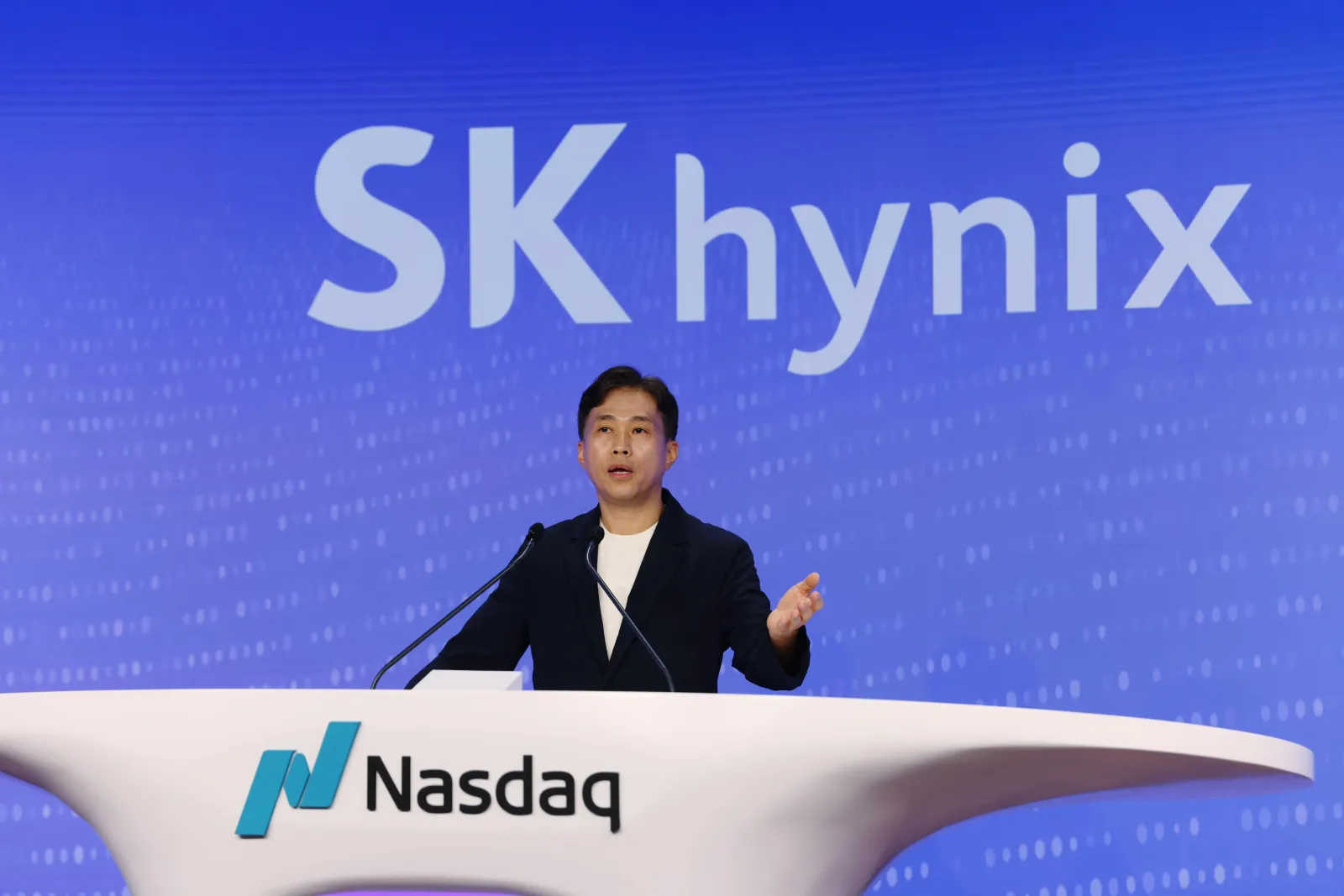
SK Hynix opens at $170, raises $26.5B, and tops foreign IPO records
In Friday's Wall Street debut, SK Hynix turns AI RAM demand into a $26.5B fundraising moment that rewrites comps.