
Energy secretary Chris Wright calls data-center fears “overblown” and pushes expansion anyway
He argues the environmental and water concerns are real but outweighed by benefits, and warns opponents are using fear tactics.
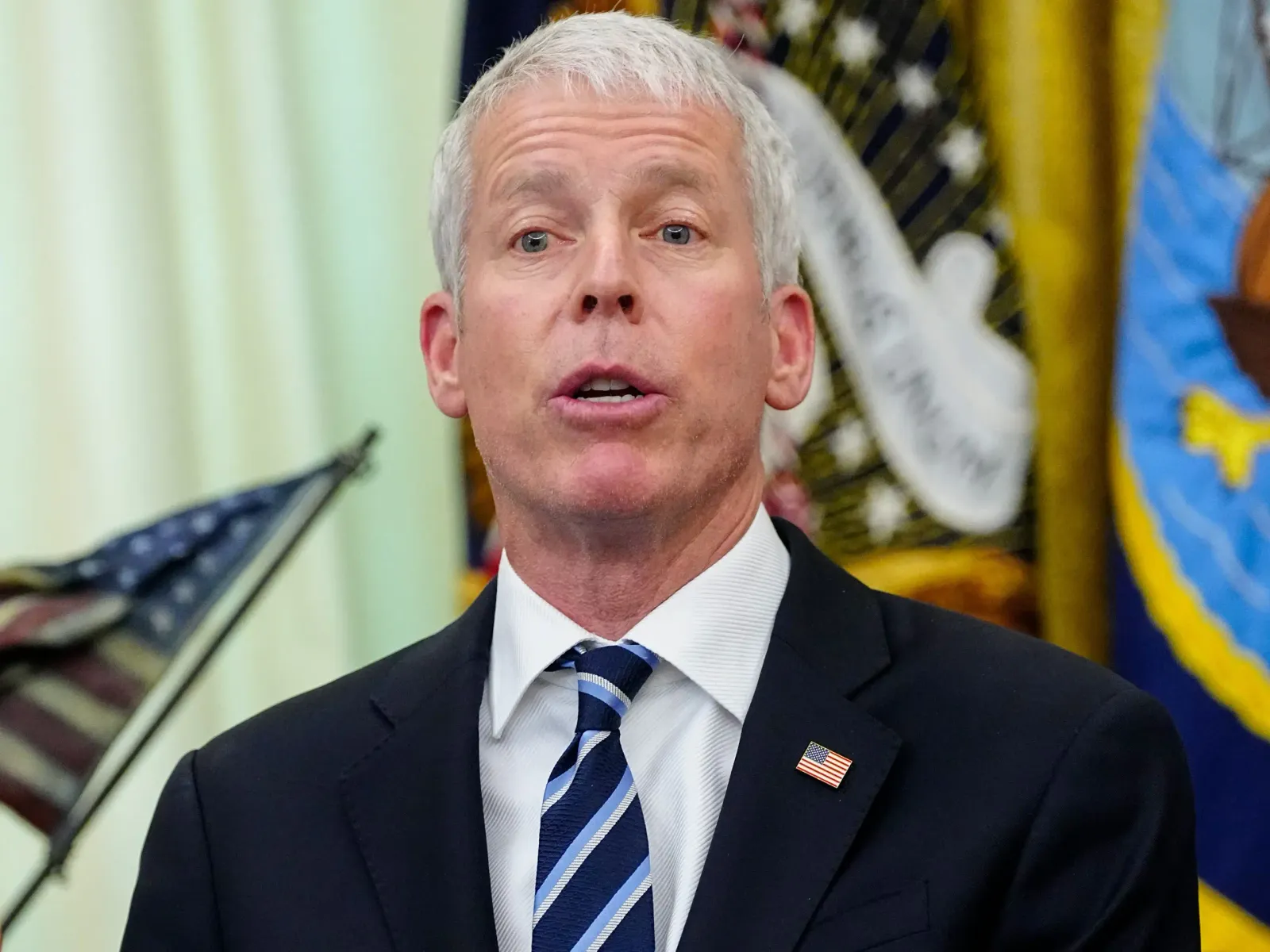
US energy secretary Chris Wright urged supporters of data centers to back expansion, saying major concerns are “overblown.” For decision-makers, the push matters because AI data-center buildouts are colliding with local opposition, water and power constraints, and political momentum.
US energy secretary Chris Wright is telling the country to stop treating data-center worries like a crisis that must halt expansion. Speaking at an Amazon Web Services conference on Tuesday, Wright urged supporters of data centers to push back on criticism tied to environmental concerns and job losses, and he called many of those fears “overblown.”
His core claim is direct: “The pluses are way bigger than the minuses,” Wright said, adding, “So please keep driving hard, keep driving these improvements in our country.” He also argued that more data centers are the path to lower-cost electricity, and that water consumption is “tiny” compared with their benefits. In his framing, the water impact is not a footnote. Wright said, “There’s probably no higher value use of water, full stop, than there is water for these data centers.”
Why this moment matters is that data centers are no longer just background infrastructure. They are now a central ingredient of the AI economy. But the political and community backlash is not theoretical. A Gallup survey of 1,000 adults in the US published in May found that seven in 10 respondents opposed constructing data centers for AI in their local area, and nearly half were “strongly opposed” to construction. That means the “social license” problem is already baked into the rollout timeline, even before a single server is installed.
Meanwhile, the physical footprint is getting bigger fast. The source reports that by the end of last year, more than 1,400 data centers had been built or approved for build outs in the US. That buildout has made the issue increasingly divisive because of environmental impacts, specifically water and energy use. And Business Insider’s reporting last year found that the rapid buildout of AI-driven data centers is reshaping local communities: large-scale campuses can place heavy demands on water supplies in drought-prone regions, and they can use diesel generators that harm air quality.
There is also a governance and trust problem underneath the environmental debate. Business Insider’s investigations found that communities neighboring these data centers struggle to understand the scale and scope of the project because of opaque ownership structures. When people cannot clearly see who owns what, where the power comes from, and how water and emissions tradeoffs are managed, opposition becomes easier to sustain and harder to unwind.
Wright’s remarks also reach for a specific political analogy. He compared the data center debate to the anti-fracking campaign 15 years ago, arguing that fear-inducing tactics are being deployed again to worry people. Wright said, “Right now in the polls, they’re winning. They cannot win, and they will not win,” and then, “We will win this argument, just as we did with fracking.” For executives, the subtext is that this is not only a policy dispute, it is a narrative fight. If political momentum consistently favors the loudest critics, timelines, zoning outcomes, and permitting pathways can get slower and more expensive.
That framing helps explain why high-profile advocates like Kevin O’Leary are stepping into the conversation. The source notes that the Canadian entrepreneur and TV personality is among the business leaders vocally supporting data centers. It also says he has doubled down on investments in this sector and has tried to change public perception, saying data centers are critical for the AI economy. O’Leary told Business Insider earlier this month, “We’re in a global competition, an economic competition, a military competition, and certainly a technological competition,” and “We’ve got to keep our chops because we have led the world in this economy for 250 years.”
Put simply, Wright is making an aggressive pro-build case. He acknowledges concerns are not imaginary, then argues that the benefits are larger, the improvements should continue, and opponents are amplifying fears faster than facts can catch up. For boards and C-suite teams, that matters because the second-order effect of “overblown” messaging is not just branding. It can reshape how companies prioritize relationships with local governments, utilities, environmental stakeholders, and permitting agencies. It can also influence how investors underwrite projects when community opposition is measured as a majority view. In an era where AI infrastructure is both strategic and contested, the leaders who win are likely the ones that treat public trust, water and power planning, and narrative clarity as part of the product, not an afterthought.
This story's Key Insights and Take-aways are locked.
Create a free account to unlock Executive Actions for one credit.
Register to UnlockAlways free for Executives Club members. Join the Club
More in Business

A flaw in PHP just forced governments to pull their own sites offline
European agencies from Belgium to Germany took websites dark to patch a critical weakness in the language behind almost 70% of the web, and the blast radius extends far beyond government portals.

BioWare shuts down, Mass Effect 5 dead after $55B EA buyout
The legendary RPG studio's closure lands months after a $55 billion investment group buyout of EA, raising tough questions for gaming's biggest acquirers.
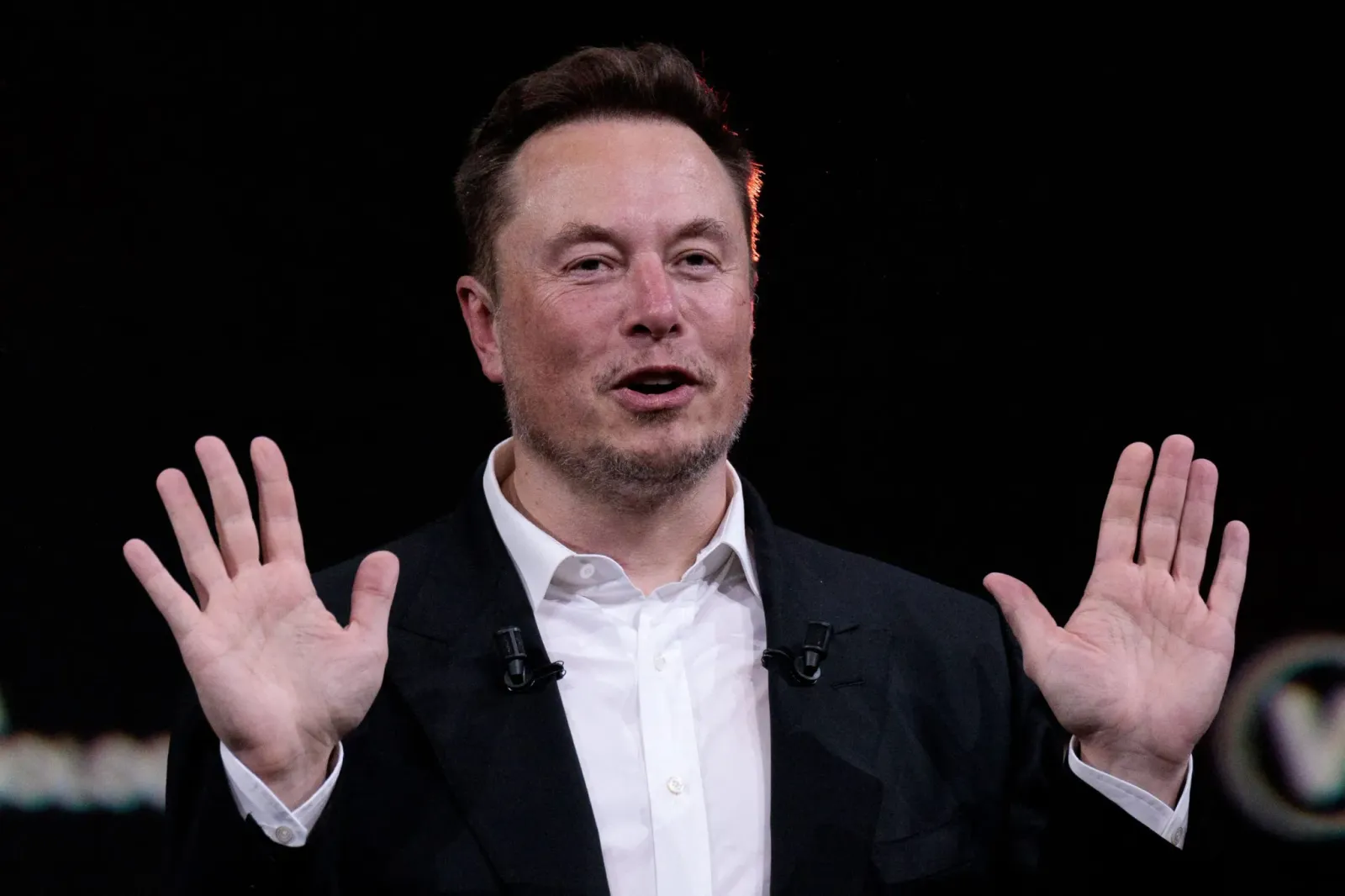
Musk barred from the room as Tesla, SpaceX boards weigh $3.5 trillion merger
The CEO of both companies is a 'conflicted party' watching independent directors negotiate a tie-up that would create a $3.5 trillion giant he would own about a third of.