

Eoptolink files for Hong Kong listing that could raise $5bn for AI data wiring
The under-the-hood optical transceiver maker is pursuing a $5bn secondary listing, signaling where capital is quietly flowing.

Eoptolink, a Chinese high-speed optical transceiver maker, has filed for a Hong Kong listing that could raise up to $5bn, according to Bloomberg. The move matters for executives tracking AI infrastructure, because it points funding to the “boring” parts that keep data centers connected.
AI headlines usually spotlight Nvidia and the model builders. But the latest filing from Eoptolink is a reminder that the AI race also runs on cables, and the money follows the bottlenecks.
Eoptolink, a Chinese maker of high-speed optical transceivers, has filed for a Hong Kong listing that could raise up to $5bn, The plan is a secondary listing on top of its existing Shenzhen-listed shares, meaning the company already has a home market and is now looking to tap additional investor demand through Hong Kong.
Why should decision-makers care about a transceiver company when everyone is chasing GPUs? Because high-speed optical transceivers sit inside the machinery that moves enormous volumes of data between and within data centers. In practical terms, even if an AI model is brilliant, the system still needs networking gear that can carry traffic fast enough and reliably enough at scale. When AI compute demand spikes, networking demand usually spikes right alongside it, and companies that supply the plumbing can see capital and customer attention accelerate.
Eoptolink’s chosen path also signals something about how public-market access is being optimized for infrastructure plays. A secondary listing on top of existing Shenzhen shares is a financial and investor-relations tactic, not a reboot of the company. It suggests management sees enough liquidity and appetite in Hong Kong to justify the added process, and it gives the business a broader investor base without abandoning its current listing footprint.
There is a subtle governance and market-dynamics angle here for boards and CFOs. A company seeking a potentially large amount of capital, up to $5bn, is effectively telling markets that it believes its growth runway can support a bigger valuation conversation. Secondary listings also create a different shareholder mix over time, which can influence everything from analyst coverage to how quickly equity capital becomes available for future expansion. In the world of AI infrastructure, where build-outs, inventories, and supply-chain commitments can move faster than many non-infrastructure categories, funding flexibility is a strategic asset.
The timing matters too. The “AI boom” has been loud, but the infrastructure layer has often been quieter, even though it is just as exposed to demand swings. High-speed optical components are tied to data center build cycles and upgrades, which can be influenced by capex budgets, procurement schedules, and the pace at which AI clusters expand. When investors start paying attention to wiring and interconnect technology, it often means the market expects sustained demand rather than a short spike.
For executives at companies in adjacent roles, the second-order implication is that capital is not only rewarding the visible winners. The winners can also be the companies that enable the winners, especially when the enabling products are mission-critical and hard to swap out quickly. That changes how boards might think about competitive positioning: networking components and optical interconnects can become strategic, not just transactional, because switching costs and performance requirements can make procurement sticky.
Finally, Eoptolink’s filing has one more practical effect: it puts a “signal” on where investors are willing to fund the AI stack. In a cycle where headlines can make it feel like only a few companies matter, a $5bn-capable Hong Kong listing filing from a transceiver maker says otherwise. The message for decision-makers who lead teams, allocate budgets, or oversee capital strategy is simple. The AI buildout is not only about compute. It is also about connectivity, and the market is paying for that reality now.
This story's Key Insights and Take-aways are locked.
Create a free account to unlock Executive Actions for one credit.
Register to UnlockAlways free for Executives Club members. Join the Club
More in Business

Uber buys Delivery Hero for nearly $15B, vaulting to top food delivery outside China
The deal doubles Uber's dual-services footprint and pushes a ride-and-eats bundling play into 50 more markets.

Epic and Google drop settlement bid, forcing rival Android app stores by July 22
Google told the court it is ready to carry third-party app stores starting Wednesday, July 22.
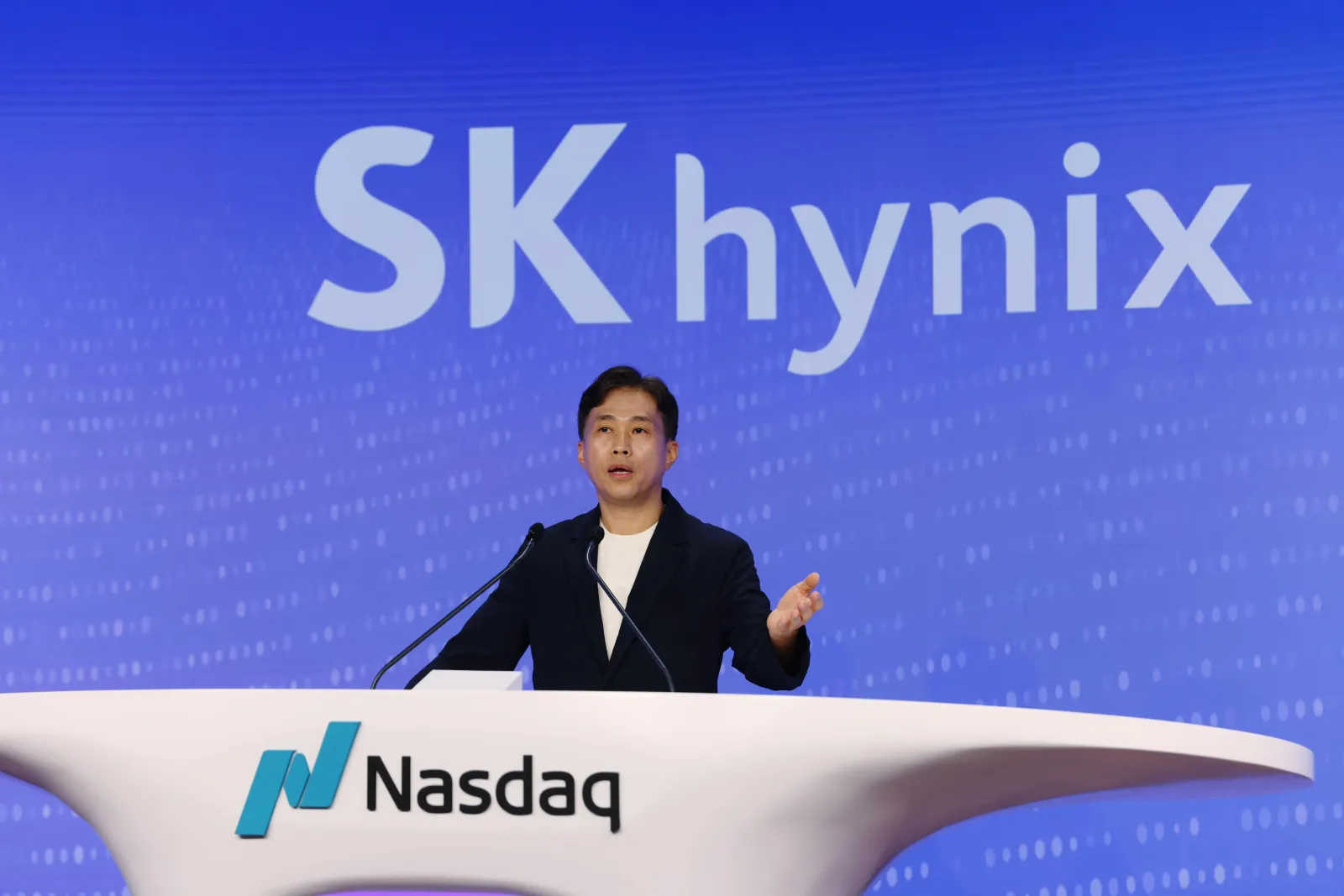
SK Hynix opens at $170, raises $26.5B, and tops foreign IPO records
In Friday's Wall Street debut, SK Hynix turns AI RAM demand into a $26.5B fundraising moment that rewrites comps.