
Erin Brockovich’s data center registry crashed twice in 72 hours from 8,200 reports
She says residents were rarely informed, water fears dominate, and the inbox forced transparency into the open.
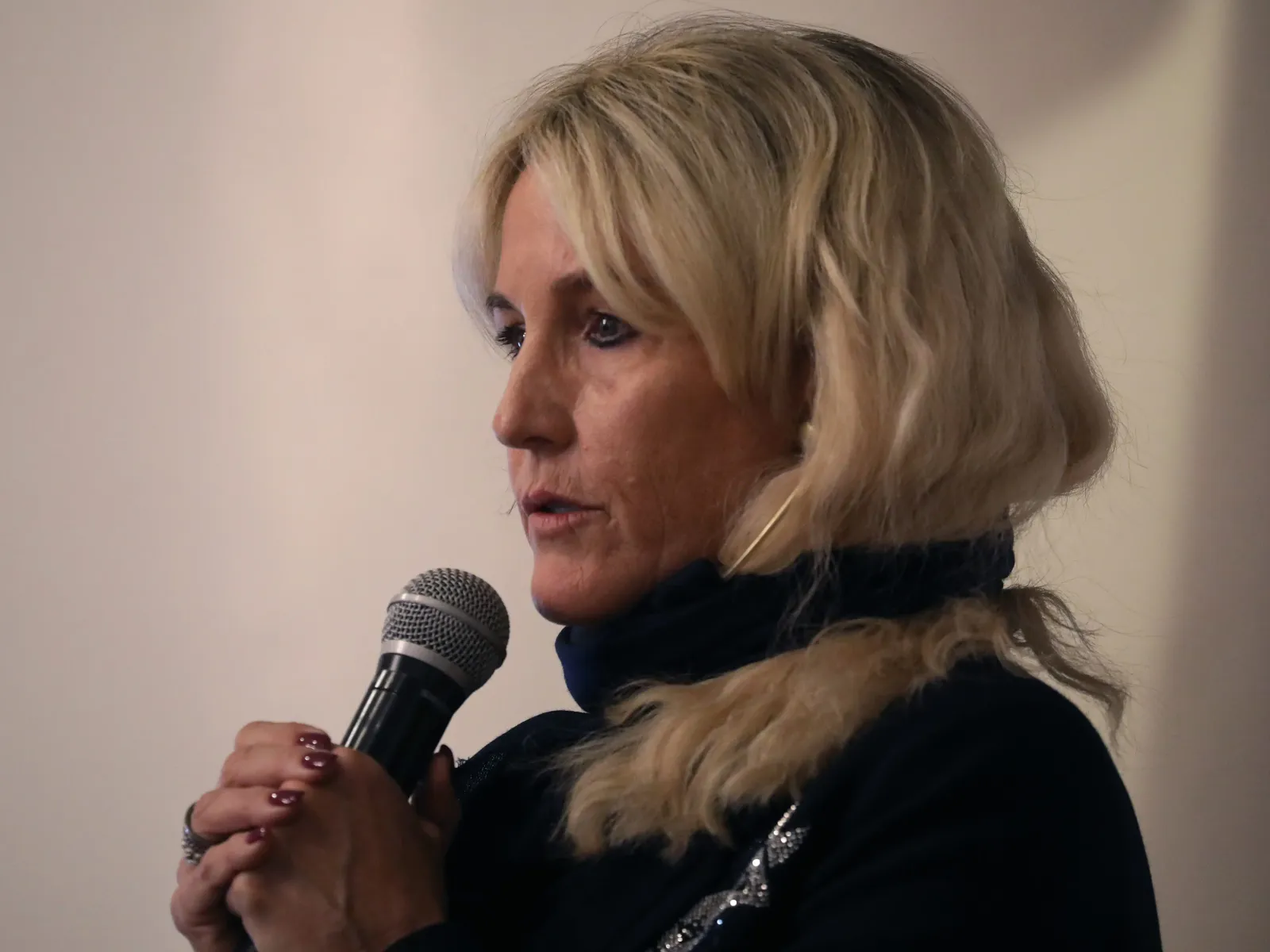
Erin Brockovich launched brockovichdatacenter.com on April 27, inviting nearby residents to self-report environmental concerns after citing secrecy and NDAs. The registry quickly overwhelmed the site and now shows 8,200+ reports and rising worries about water, health, and wildlife.
Erin Brockovich launched brockovichdatacenter.com on April 27, and within 72 hours the website crashed twice. That is not a small footnote in a culture story. It is the kind of demand signal that tells executives, boards, and regulators something is already breaking through the noise, faster than official channels can respond.
Why did the site get hammered? Because Brockovich says she “woke up one day” to find 30 emails from people living around data centers who described problems firsthand. Speaking in an interview with podcaster Theo Von, released Sunday, she explained she created the registry for people “if they were having issues with data centers in their backyard” to self-report. She framed the rationale plainly: the people “living, breathing, and experiencing these issues” are the best source of information.
Brockovich’s core claim is about transparency. She told Theo Von that residents were not being informed by city councils about major data center projects, and that some people often “woke up to find construction underway.” In other words, the friction is not only about the projects themselves. It is about timing, disclosure, and communication between local governments, developers, and communities.
Her April registry is already showing scale. The website now displays that over 8,200 people have reported data centers near them. Brockovich also said 41% of those reports express worry about how data centers could affect their water supply. Other concerns in the reports include electricity supply and potential harms to residents’ health, plus effects on nearby wildlife.
Put those numbers next to how data center buildouts typically work, and the second-order risk becomes obvious for decision-makers. Data center demand is structurally driven by cloud growth, AI compute needs, and the electricity grid’s ability to deliver power. But community trust depends on local perception: water availability, construction timelines, and whether impacts were communicated before bulldozers arrive. When residents feel surprised, they do not just complain. They mobilize. In Brockovich’s case, she built a direct line from neighborhood experiences to a public registry.
She also points to the political and legal machinery that can make communities feel sidelined. In a May episode of “The Jim Acosta Show,” Brockovich said local government officials often keep residents in the dark about mega-construction projects because they have signed non-disclosure agreements with companies behind them. She described what she sees as a problem at an early stage, saying there is “a lot of secrecy and NDAs at a very proposal stage.” Whether individual NDAs are common in every jurisdiction, the narrative matters for boards, because the perception of “secrecy” can turn routine permitting into reputational and legal pressure.
For executives and investors, the immediate takeaway is that disclosure and permitting are becoming part of the competitive landscape. Business Insider’s extensive coverage says more than 1,400 data centers were built or approved for construction across the country at the end of 2025, with Virginia, West Texas, and Wisconsin emerging as hot spots. When buildout accelerates in concentrated regions, local community capacity to absorb change does not scale as fast. That can create a gap between capital deployment and community readiness, and that gap is exactly what Brockovich’s registry is trying to expose with 8,200+ self-reported accounts.
The longer-term stake is what happens when private infrastructure meets public scrutiny at speed. Brockovich’s registration crash twice in 72 hours is a clue about volume, not necessarily about verdict. Still, the structure of the story is the same one executives know from other industries: once residents have a platform, complaints can become pattern evidence, and pattern evidence can become regulation, litigation, or both. For boards overseeing data center real estate, power procurement, and development pipelines, the question is no longer only “Can we build?” It is also “Can we justify the buildout to the people who live downstream of the power lines and near the water table?”
This story's Key Insights and Take-aways are locked.
Create a free account to unlock Executive Actions for one credit.
Register to UnlockAlways free for Executives Club members. Join the Club
More in Entertainment

12TB Steam 'teraleak' goes beyond Valve: GTA 3, Mafia 2 prototypes exposed
A 12-terabyte dump of Steam data reveals prototypes and builds of third-party classics like GTA 3 and Mafia 2, plus unreleased Valve content, rewriting game history.

LinkedIn's romance problem: 1 in 4 workers say dating on it is fair game
A new survey shows a quarter of U.S. employees treat the professional network as fair game for romance, even as LinkedIn bans it and removes hundreds of thousands of offending posts.

Enhypen's first No. 1 album breaks K-pop's Billboard 200 streak
The K-pop group's 98,000-unit debut tops the chart while Dolly Parton's catalog reentry shows how death reshapes streaming.