
Eros Innovation launches AI music label with AI-native artists and Mohammed Rafi partnership
A new Eros-powered AI Large Cultural Model births seven AI-native artists, plus a strategic deal to create fresh Mohammed Rafi recordings.
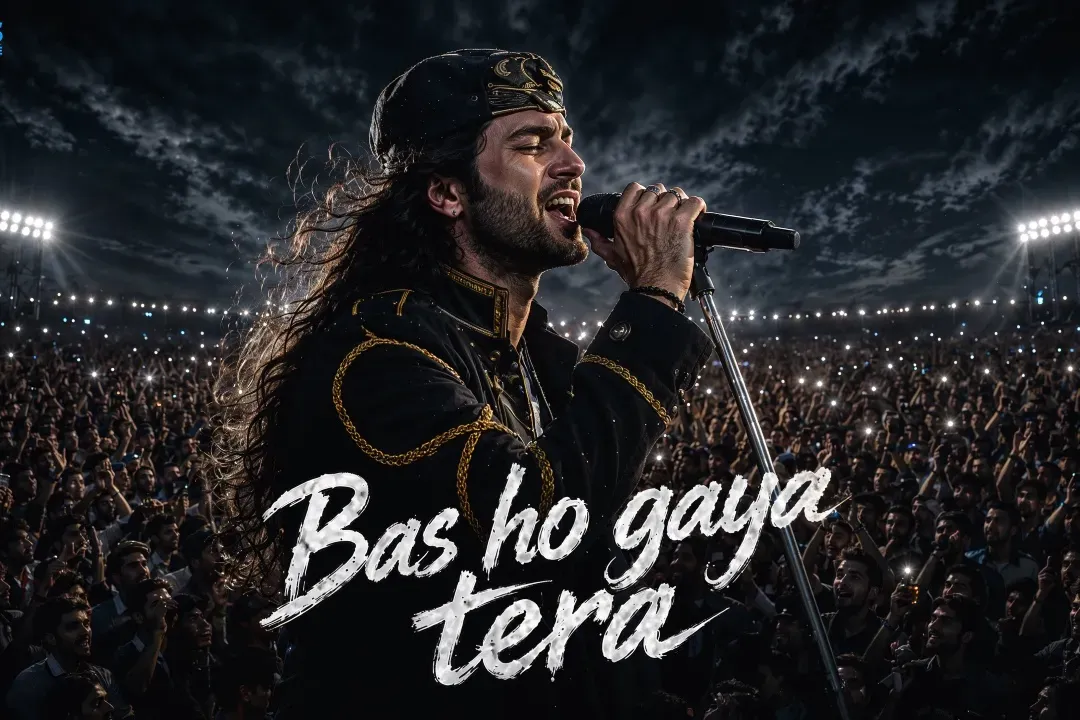
Eros Innovation is launching a music label powered by an AI Large Cultural Model (LCM), debuting seven AI-native artists built from established Eros characters and narrative worlds. It is also signing a strategic partnership with the family of late playback singer Mohammed Rafi to collaborate on new music recordings.
Eros Innovation is rolling out a new AI-powered music label, and it is doing it the loudest way possible for the industry: seven AI-native artists on day one, plus a strategic partnership with the family of iconic late playback singer Mohammed Rafi for new recordings. The company positions this as a launch powered by an AI Large Cultural Model (LCM), using its existing Eros character and narrative worlds as the “source material” for these digital performers.
If you are an executive watching this space, the key is not just that AI music is growing. It is the combo: character-driven AI artistry plus rights-holder involvement at the Mohammed Rafi level. Eros is not describing an experiment that lives only inside a lab. It is building a platform meant to publish and monetize, and it is doing so by connecting AI-native performers to established IP and by aligning with a major legacy music brand through the singer’s family.
To understand why this matters, you have to see how music labels and IP ecosystems typically work. In traditional models, labels and music rights holders control who can record, distribute, and monetize a specific catalog. AI-native approaches complicate that control because the “performer” can be software-generated, and the audience experience can blur the line between homage, transformation, and replacement. In that context, Eros’s Mohammed Rafi family partnership is strategically important. A “strategic partnership with the family” suggests an attempt to ground new recordings in a legitimate rights relationship rather than operating as a purely speculative content play.
Now add the AI Large Cultural Model angle. An LCM, in simple terms, is designed to understand and generate within a cultural or narrative context rather than just producing generic text or audio. Eros is explicitly linking the model to its own characters and narrative worlds, which likely gives the new artists a consistent identity: style, persona, and story logic that can be marketed as part of the Eros universe. That is a meaningful difference from AI music launches that look like standalone tracks with little connective tissue. If you can sell continuity, you can keep audiences engaged longer, and you can create more predictable release rhythms.
The platform’s debut is also specific: seven AI-native artists “drawn from established Eros characters and narrative worlds.” That detail signals the product strategy. Instead of inventing a single AI act, Eros is launching a mini roster. In the label business, roster depth usually drives catalog expansion, cross-promotion, and fan segmentation. It also gives the company multiple creative angles to test. One artist might fit an upbeat hook-driven format. Another might anchor a slower, more narrative-focused release. Executives typically like options when they are entering a new distribution and monetization curve, especially one influenced by rapidly shifting consumer preferences.
There is also an incentive structure here that boards and investors will care about. Music labels live and die on rights, marketing, and audience trust. If AI is going to become a mainstream production method, the credibility of the rights chain will be a competitive advantage. Partnering with the Mohammed Rafi family for new recordings hints that Eros wants to be seen as a platform that plays offense with AI while still respecting the legacy economics of established artists. That can reduce friction with rights holders, distributors, and platforms, even if the broader regulatory environment remains complex.
Speaking of regulation, this space tends to attract attention in multiple directions: consumer protection, intellectual property, and the ethics and legality around voice and persona usage. While the source does not lay out specific compliance details, the “strategic partnership with the family” is a signal that Eros is engaging with at least one critical stakeholder group before releasing new works associated with a globally recognized singer. For peers, that is a real operational takeaway. When you tie AI production to recognized rights holders, you create a paper trail that can matter later if questions arise about authorization, representation, and downstream licensing.
So what is the strategic stake for executives watching this unfold? Eros’s launch suggests an emerging blueprint for AI music labels: use an AI Large Cultural Model to generate within known narrative worlds, build a roster of AI-native artists anchored in existing characters, and secure legitimacy through partnerships with legacy rights holders. If that approach works commercially, it could pressure other players to either partner with rights communities or risk being pushed aside as AI-first content accelerates. And if it creates a successful market narrative, the first movers can lock in audience habits and label infrastructure before the competition fully catches up.
This story's Key Insights and Take-aways are locked.
Create a free account to unlock Executive Actions for one credit.
Register to UnlockAlways free for Executives Club members. Join the Club
More in Entertainment

Russell Brand's accuser 'bewildered and confused' as he denies 7 sex charges
The criminal case against the comedian is a live test of how media companies manage talent risk when serious allegations go public.

'It's a Magic Trick': Ballet Experts Say Rosalía's SNL Pose Is Impossible
Three ballet experts tell Rolling Stone Rosalía's gravity-defying SNL stillness shouldn't be possible - and why the debate is now part of the show.

Activision CMO: GTA 6 Will Boost Call of Duty, Not Bury It
Activision's top marketer says Rockstar's blockbuster will drive players back to consoles and into Modern Warfare 4, even as the company admits its recent strategy failed.