

EU court strips YouTube intermediary shield after Google reviewed a gambling channel
A €750,000 Italy fine from 2022 helped force a CJEU ruling: content review in a commercial deal can erase safe-harbor protection.

The Court of Justice of the European Union ruled that Google cannot rely on intermediary liability protection for YouTube content it reviews as part of a commercial partnership with a channel. The decision raises the stakes for platforms and deal teams: when you examine a channel, you may forfeit the “neutral host” defense.
Google’s “we are just an intermediary” defense took a hit in the EU this week. The Court of Justice of the European Union (CJEU) ruled that the liability protection for platforms does not apply when the platform operator agreed commercial terms with a channel and then carried out an examination of that channel’s content. In plain English: if your business model includes reviewing what creators publish, regulators can treat you less like a passive conduit and more like a participant.
That matters because the case traces back to a €750,000 fine imposed on Google Ireland by Italy’s communications regulator in 2022 over YouTube videos promoting online gambling. Before Google entered a revenue-sharing agreement that placed pre-roll ads on the creator’s videos, Google reviewed the channel’s content. Italy’s regulator argued that this kind of examination undermined Google’s claim that it acted as a neutral intermediary exempt from liability. The dispute went through an appeal and ultimately landed at the CJEU, which rejected Google’s reading of the liability exemption.
To understand why the court’s distinction is so consequential, it helps to recall how the EU safe-harbor framework works in practice. The exemption still applies where the service provider “has neither knowledge of nor control over the information” transmitted or stored. That is the threshold. The court’s ruling tightens the interpretation by connecting knowledge and control to real operational behavior, not just legal language. The court held that the exemption “does not apply” to a platform operator that agreed commercial terms with a channel where the operator “carried out an examination of the content of that channel.”
And the court did not leave the definition vague. It specified that the examination can include looking at the channel’s main theme, its most-viewed or newest videos, or the associated metadata. Those details matter because they describe how content review often shows up in business workflows: eligibility checks, monetization qualification, risk screening, and relevance assessments. If that sounds like standard “partner onboarding,” the court’s point is sharper. Once the platform has specific knowledge coming from an examination process linked to a commercial deal, it may no longer qualify for intermediary status for the content at issue.
The CJEU’s ruling did not declare that Google is liable for everything on YouTube. The court’s language is about the availability of the exemption, not a blanket finding of wrongdoing across the platform. Still, the strategic effect is that Google could face a narrower ability to shift legal responsibility away from itself in disputes tied to specific channels and specific deals where review occurred. After the CJEU ruling, Italy’s Council of State will decide the dispute, but the direction from Luxembourg already tightened the playing field: the exemption can be forfeit when a platform operator has both commercial terms and an examination of channel content.
For executives at platforms, media networks, and any company that sits between creators and audiences, this is a classic “paper shield” versus “operating reality” fight. Intermediary defenses are often treated as a backstop by legal teams. But compliance, partnership managers, and product operators decide what the platform actually does: whether it previews channel content, rates it, filters it, or conditions revenue sharing on review. The business incentive to tighten brand safety and optimize ad performance is real. So is the legal incentive for regulators to argue that brand safety review equals knowledge and control.
There is also a more practical board-level implication here. If the intermediary shield is conditional, risk models need to be deal-specific rather than generic. That means diligence does not stop at contract clauses. It extends to the operational steps that happen before a partnership is activated, including what is reviewed, how far the review goes, and whether the review process creates the kind of “knowledge” the CJEU tied to exemption eligibility. For teams that structure creator monetization or ad placement agreements, the court’s ruling signals that “we reviewed it for quality control” is not automatically a free pass.
Google responded with disappointment and signaled it will continue fighting. A Google spokesperson said: “We are disappointed by the CJEU's decision, which we will need further clarity on. We will raise our arguments before the Council of State.” ® The company will still have room to argue the application in the specific dispute, but the broader lesson is harder to evade: if your intermediary posture depends on being passive, commercial partnerships that include content examination can unravel that posture.
So the stake is not just legal theory. It is what changes next in how platforms design creator programs, define partner eligibility, and build brand safety workflows. As more deals involve revenue sharing and pre-roll ad placement, and as regulators scrutinize whether platforms are truly neutral, the CJEU’s line in the sand will likely influence how leadership teams balance growth partnerships with defensible risk posture. In the EU, the safe-harbor question may increasingly become a safe-operations question.
This story's Key Insights and Take-aways are locked.
Create a free account to unlock Executive Actions for one credit.
Register to UnlockAlways free for Executives Club members. Join the Club
More in Business

Uber buys Delivery Hero for nearly $15B, vaulting to top food delivery outside China
The deal doubles Uber's dual-services footprint and pushes a ride-and-eats bundling play into 50 more markets.

Epic and Google drop settlement bid, forcing rival Android app stores by July 22
Google told the court it is ready to carry third-party app stores starting Wednesday, July 22.
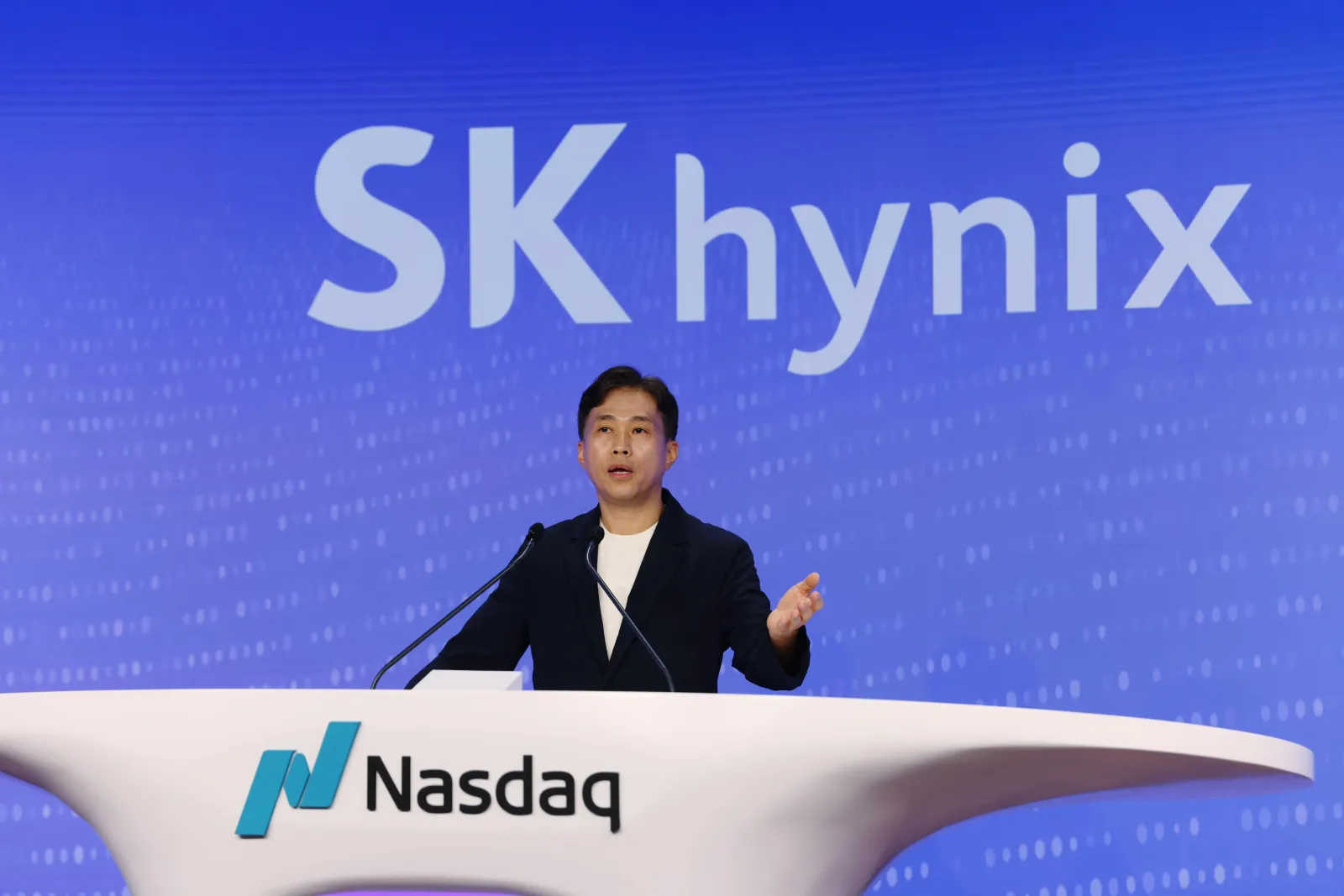
SK Hynix opens at $170, raises $26.5B, and tops foreign IPO records
In Friday's Wall Street debut, SK Hynix turns AI RAM demand into a $26.5B fundraising moment that rewrites comps.