
EU cuts duty-free steel quota by half, but boosts UK and 11 partners
A Chinese-steel crackdown comes with a carve-out that changes who wins and who has to renegotiate supply plans.
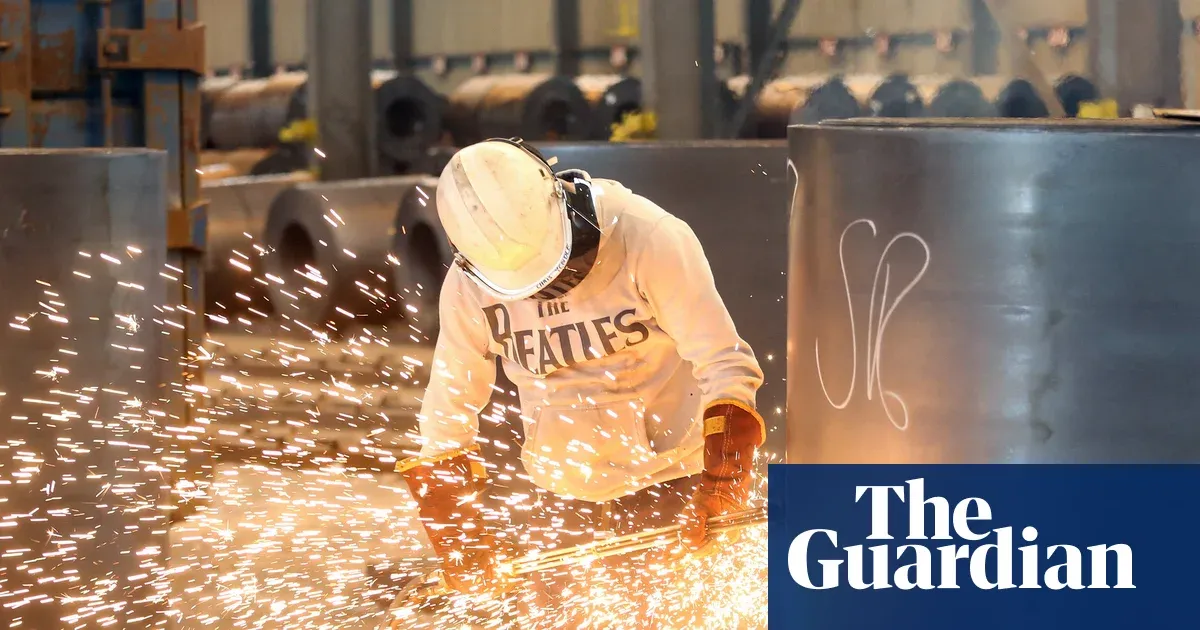
The EU has halved the amount of duty-free steel it will accept from abroad, while agreeing to higher import levels for 12 trading partners including the UK. The quota cuts target cheap Chinese steel entering the bloc but reshape trade terms for specific FTA countries.
The EU has halved the amount of duty-free steel it will accept from abroad, but it did not apply the squeeze evenly. For 12 trading partners with a free trade agreement (FTA) with Brussels, including the UK, the EU agreed to higher levels of imports. In other words, this is a crackdown on one source of supply, with a negotiated alternative pathway for particular countries.
The fine print matters for operators and boardrooms because the EU is not just cutting one number. Twelve FTA countries, including the UK, have their quota reduced by just one-third, not by the full half that describes the overall reduction. That mismatch tells you how the EU is balancing two goals at once: protecting the bloc from cheaper imports, and keeping relationships with existing trading partners stable enough that trade flows do not snap overnight.
This matters because steel is one of those industries where price shocks travel fast. When imports get cheaper, domestic mills and downstream users feel it immediately through procurement margins, inventory decisions, and contract renegotiations. That is why the stated intent of the curbs is central: they are designed to reduce cheap Chinese steel coming into the bloc. Chinese steel has long been a focal point for trade disputes because global capacity and pricing can push products into other markets at levels that local producers cannot match without taking heavy losses.
From a policy mechanics standpoint, duty-free quotas are a classic instrument. The EU is effectively saying: some volume can enter without paying duties, but the ceiling is controlled. Halving the duty-free amount is the blunt part of the move. Then the EU layers on partner-specific adjustments, raising imports for 12 trading partners with FTAs, including the UK. For those countries, the reduction is described as only one-third, which suggests a negotiated rate that keeps duty-free access closer to current realities than the headline cut might imply.
If you are a CFO or procurement lead, the immediate question is less “what is the political headline?” and more “what is the new math for my sourcing?” Quotas change the marginal cost of additional units. Even if global steel prices shift later, quota-bound duty-free access can keep certain lanes cheap for longer, while forcing other lanes into higher-cost territory. The strategic risk is misalignment: businesses that plan around last period’s duty-free availability can suddenly find that the cheapest route is capped, leading to rush buys, contract breaches, or margin erosion.
For boards, the second-order issue is exposure concentration. Steel supply chains often include a mix of domestic production, intra-EU flows, and imports routed through specific countries. If your company relies on FTA partners that are among the 12 named as receiving better rates, the EU’s decision can function like a buffer. If your supply chain depends on channels that are not covered by the improved quota treatment, the half reduction in duty-free acceptance could hit sooner and harder. Either way, the policy is not uniform, which means risk management cannot be one-size-fits-all.
There is also a competitive angle. The EU’s goal is to reduce cheap Chinese steel. But the way it does it is by changing duty-free access volumes, not by banning imports outright in this description. That tends to shift competition toward suppliers and countries that can still access duty-free capacity under the revised quotas. The UK and the other FTA partners therefore become more than just “participants” in the trade regime. They become strategic nodes where downstream buyers may route volumes to stay under duty-free ceilings.
Timing and messaging will matter too. When the EU announces curbs alongside partner carve-outs, it signals the line it is drawing: enforcement is meant to be targeted at a supply source, while the broader trade relationship with FTA countries is maintained. Executives should read that as a hint about how negotiations with affected counterparties might proceed. If your business is operating with counterparties in those 12 countries, you may have more leverage to adjust contracts and forecasts than firms relying on routes that lose the full duty-free reduction.
The stakes are straightforward. Steel policy can move input costs, distort competitive positioning, and force contract and inventory decisions faster than many finance teams can model. This EU move, halving the duty-free steel it will accept while leaving 12 FTA countries with only a one-third reduction, creates a two-speed trading landscape. If you run a steel-heavy business, invest in industrials, or govern procurement risk, the difference between “half” and “one-third” is not academic. It is the difference between a manageable transition and a sudden, margin-threatening sourcing scramble.
This story's Key Insights and Take-aways are locked.
Create a free account to unlock Executive Actions for one credit.
Register to UnlockAlways free for Executives Club members. Join the Club
More in Business

Comcast shares jump 25% as it plans to split NBCUniversal and Sky
The tax-free spin-off could reshape focus, funding, and competition across media and tech for years.

Bungie cuts most Destiny 2 staff as Sony says Marathon still matters
Herman Hulst confirms layoffs affecting most Destiny and some Marathon teams after Bungie admits Destiny fell short.

SK Hynix jumps 11% after seeking up to $29.4B in Nasdaq listing
The chip giant filed for a Nasdaq listing plan that could raise $29.4 billion, instantly reshaping investor expectations.