

EU ministers move to make airline compensation claims easier for passengers
What the EU reforms would change, and why airlines, airports, and investors should care now.
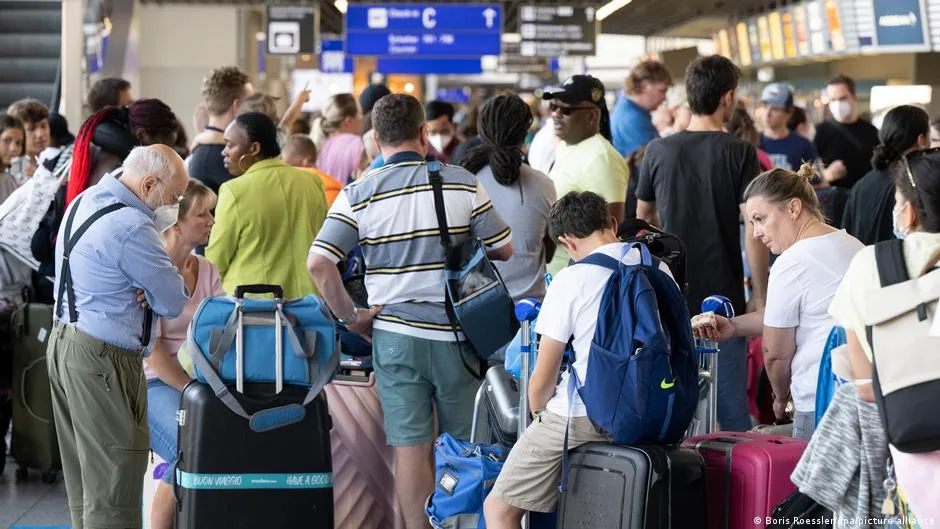
EU ministers are expected to approve reforms that expand air traveler rights across the EU, including easier paths to compensation claims. For airline executives and boards, the change shifts operational risk and customer service expectations, potentially affecting costs and customer-impact outcomes.
EU ministers are expected to approve reforms that expand passenger rights in air travel, with one key promise standing out: making compensation claims easier. That matters because, in practice, “rights” do not protect anyone unless passengers can actually use them when flights go wrong. If the EU makes claims easier to file, prove, or process, airlines and airports will feel it in the form of more claims, faster timelines, and less room to fight cases on process.
In other words, this is not just a consumer headline. It is an operational and financial one. The reforms are expected to include changes that simplify how compensation claims work, which can directly influence how an airline plans for disruptions, handles documentation, and manages customer care. For executives, that means the legal and customer experience teams will need to align more tightly with operations, because the claims process is typically linked to what happens on the ground during delays and cancellations.
To understand why this “easier claims” detail is such a big deal, you need to zoom out to how air passenger rights usually function in Europe. Typically, when a flight is delayed or canceled, passengers may be eligible for compensation, but eligibility and the claim process can involve paperwork, timing, and interpretive questions. If the EU pushes reforms that reduce friction, passengers gain more leverage. That tends to change behavior on both sides: passengers file more claims, and airlines invest more to prevent disruption or to manage claims more efficiently.
This kind of regulatory shift is also a signal about where the EU wants to move the center of gravity. The EU’s role is to standardize passenger protections across member states, so travelers are not forced to navigate a patchwork of different rules. When ministers are expected to approve reforms, it suggests the EU is trying to tighten consistency and reduce barriers. That can sound abstract until you think about what “barriers” look like in real life: confusing instructions, slow resolution, or hurdles that make it hard for someone to determine what they are owed and how to request it.
For airline boards and investors, second-order implications often arrive faster than the first-order policy language. Easier claims can increase administrative workload and trigger new cost patterns. Even when compensation amounts are not increasing across the board, making it easier to claim tends to increase claim volume and reduce the number of cases that die in the system due to procedural complexity. That can pressure customer service budgets and expose operational teams to more scrutiny, because the operational causes of disruptions become tied to measurable financial outcomes.
There is also a strategic angle that executives cannot ignore: competition may shift from “cheaper fares” to “more reliable experience,” because the financial impacts of disruptions may become more immediate and more widespread when compensation claims are easier. Airlines may respond by investing in reliability, contingency planning, crew scheduling, and better disruption communication. Airports, too, can feel the ripple effects, since congestion, staffing, gate availability, and ground handling often influence delays and cancellations.
Finally, this reforms update is a reminder that regulation in air travel is not static. It evolves as policymakers decide what passenger protections should look like and how enforceable they are. If EU ministers approve a package that makes compensation claims easier, it raises the stakes for any airline operating across Europe, and it also sets expectations for how quickly consumer protections can become operational realities.
The strategic takeaway for peers is straightforward: do not treat passenger rights as a purely legal issue. If the EU moves to reduce friction for compensation claims, you should expect the operational and financial system of the airline to come under pressure as claims become easier to make and harder to delay. Boards that plan ahead for the claims process, disruption handling, and customer communication will be better positioned for the transition than teams that only react after implementation.
This story's Key Insights and Take-aways are locked.
Create a free account to unlock Executive Actions for one credit.
Register to UnlockAlways free for Executives Club members. Join the Club
More in Politics

Glacial collapse, not rain, killed 180 in Nepal's Himalayan flood
The Himalaya's extreme geography hid the true cause of Nepal's catastrophic flood, a glacial collapse that turned a geological battleground into a mass-casualty zone.

Iran’s Esmail Baghaei says Oman talks start shipping via Hormuz, not US talks yet
Temporary route plans with Oman aim to restart commerce while Tehran says Washington dialogue is not on the table.

Standards watchdog opens probe into Reform UK deputy leader Richard Tice over interests
The parliamentary standards commissioner says it began an investigation on 28 July into a possible undeclared interest.