

Europe heat broke records and cities still treat nature like decoration, not infrastructure
Live Science argues urban trees and green spaces need minimum standards for protection, quality, and maintenance, or heat wins.
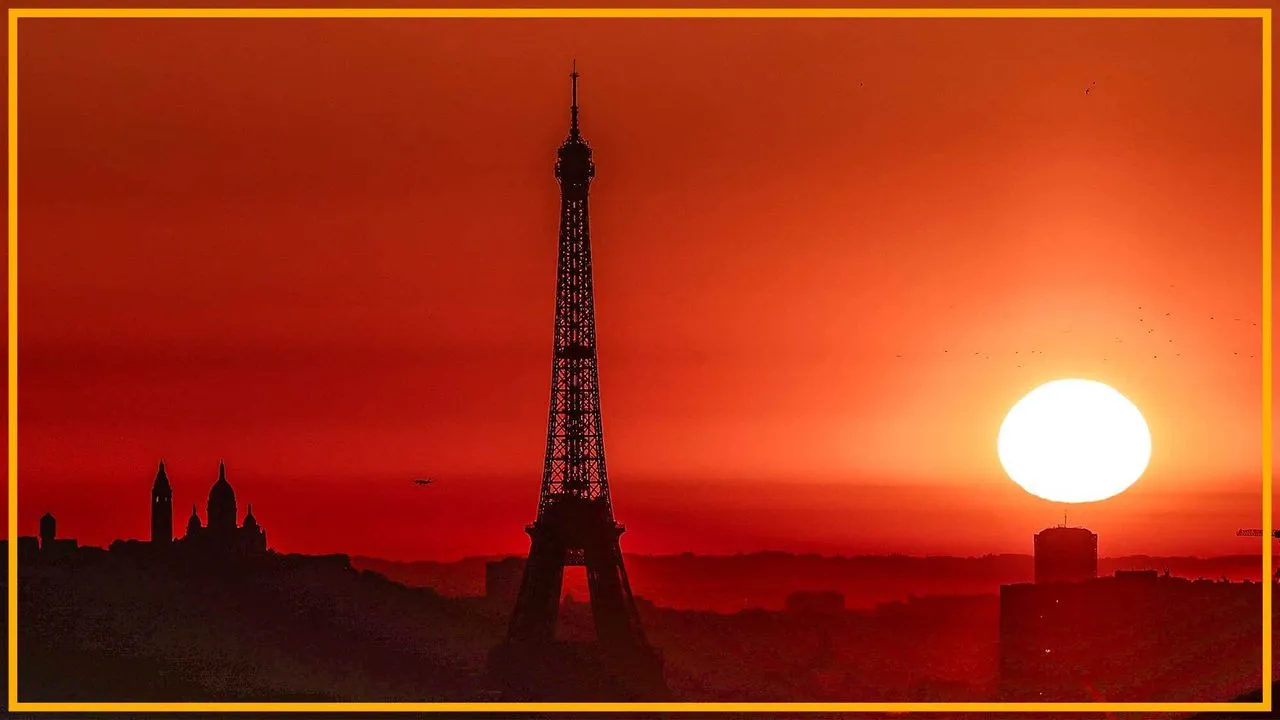
Live Science points to record-breaking June heat waves across Europe, with 2,000+ excess deaths in France and critical incidents in the U.K., as proof cities are underinvesting in urban nature. The consequence is clear for decision-makers: without enforceable urban nature standards, heat risk, flooding, air quality failures, and inequality will keep compounding.
For decades, cities have been planned around “gray infrastructure.” Roads move people. Bridges connect neighborhoods. Water systems protect public health. Engineering standards govern these systems because safety cannot depend on good intentions. Live Science makes the case that the same logic must apply to urban nature, because extreme heat is already exposing how fragile the current approach is.
In June, a heat wave gripped Europe and broke temperature records across the continent. In France, officials reported over 2,000 excess deaths. In the U.K., hospitals declared critical incidents and machinery and IT systems failed. The point is not just that heat is dangerous. It is that cities are being tested by a warming climate while one of their most effective defenses, urban green infrastructure, is treated as optional rather than engineered.
The article’s core argument is blunt: street trees, parks, wetlands, and other urban green spaces should be categorized and managed as essential infrastructure, with minimum standards for protection, quality, and long-term maintenance. It is not an aesthetic pitch. It is a governance pitch. Just as society regulates roads, bridges, and drinking water, cities would need standards that ensure urban nature delivers benefits for all residents, not just the people who live near the “nice” parts of town.
Why does this matter? Because the science described in the piece is practical. Scientific research shows that urban trees and green spaces cool cities during heat waves, reduce flooding by absorbing stormwater, improve air quality, store carbon, support biodiversity, and improve physical and mental health. During extreme heat, neighborhoods with mature tree canopies can be several degrees cooler than nearby streets dominated by concrete and asphalt. Those few degrees can be the difference between manageable discomfort and dangerous heat exposure, especially for older adults, children, and people with existing health conditions.
But the governance gap is where the real story lives. Cities may announce ambitious tree-planting campaigns, biodiversity strategies, and new greening targets. The article argues those initiatives often focus on what is easy to count, instead of what truly matters. Planting a tree is not the same as growing a healthy urban forest. Creating a park does not automatically guarantee biodiversity. A green roof delivers little value if it fails during drought. The real measure of success is whether urban nature keeps providing benefits decades after trees are planted and established.
So what is missing? The piece says many cities lack consistent minimum standards for urban nature. It notes that some cities have no requirements for minimum tree canopy cover, adequate rooting space, soil quality, biodiversity targets, long-term maintenance funding, routine monitoring, or even whether newly planted trees survive. That is a recipe for uneven outcomes. Access to nature ends up depending heavily on where people live. Wealthier neighborhoods often have mature tree canopy and higher-quality parks, while disadvantaged communities experience hotter streets, fewer green spaces, and greater climate risk exposure. This is not framed as only an environmental issue. The article explicitly treats it as a public health issue, a climate adaptation issue, and an issue of social equity.
Critically, the solution is not “plant more trees” and call it a day. The article argues for establishing urban nature standards that recognize nature as essential infrastructure. Importantly, these standards should not prescribe the same solution for every city. Instead, they would set minimum expectations grounded in scientific evidence. Those expectations could include targets for accessible green space, minimum tree canopy cover, sufficient soil volume for healthy tree growth, biodiversity outcomes, long-term maintenance funding, and routine monitoring to ensure urban nature keeps delivering benefits.
The article also anticipates the budgeting objection: cities can be strapped by housing, transport, and aging infrastructure. But it counters with a fundamental reality: cities already spend enormous sums responding to the consequences of extreme heat, flooding, poor air quality, and declining public health. Healthy urban ecosystems can reduce these costs while delivering multiple benefits at once. In other words, treating urban nature like optional landscaping is not just less effective. It is expensive over time, and it shifts risk onto the communities least able to absorb it.
It ends with a comparison that matters for boards and executives. Building codes transformed urban safety by creating minimum standards that every development had to meet. The article argues climate resilience now demands a similar transformation for urban nature. The next generation of resilient cities, it says, will not be defined only by how many trees they plant, but by the standards adopted to protect, restore, and sustain the living infrastructure that urban life depends on. The strategic question for decision-makers is whether their city, company, or investment framework is set up to manage living systems with the same accountability already demanded of engineered systems. Because with heat breaking records and hospitals declaring critical incidents, this is no longer a theory. It is a stress test.
This story's Key Insights and Take-aways are locked.
Create a free account to unlock Executive Actions for one credit.
Register to UnlockAlways free for Executives Club members. Join the Club
More in Science

Alaska's 1,580-foot tsunami had warning signs. Scientists just found them.
Rapid glacier retreat, heavy rainfall, and thousands of tiny tremors preceded Alaska's 1,580-foot tsunami, a warning for every coastal community in a warming world.

The rare mutation that lets high-risk brains dodge Alzheimer's
Scientists found a natural defense against protein buildup, opening a new path to preventive treatments.

3,000 steps a day may halve Alzheimer's decline, study finds
New research links a modest daily walk to less tau buildup and nearly half the cognitive and functional decline, even for those with early signs.