

Europe’s far right goes quiet on its World Cup teams, then pivots to nationalist fights
Multicultural squads force parties like National Rally and AfD into awkward balancing acts during the tournament.
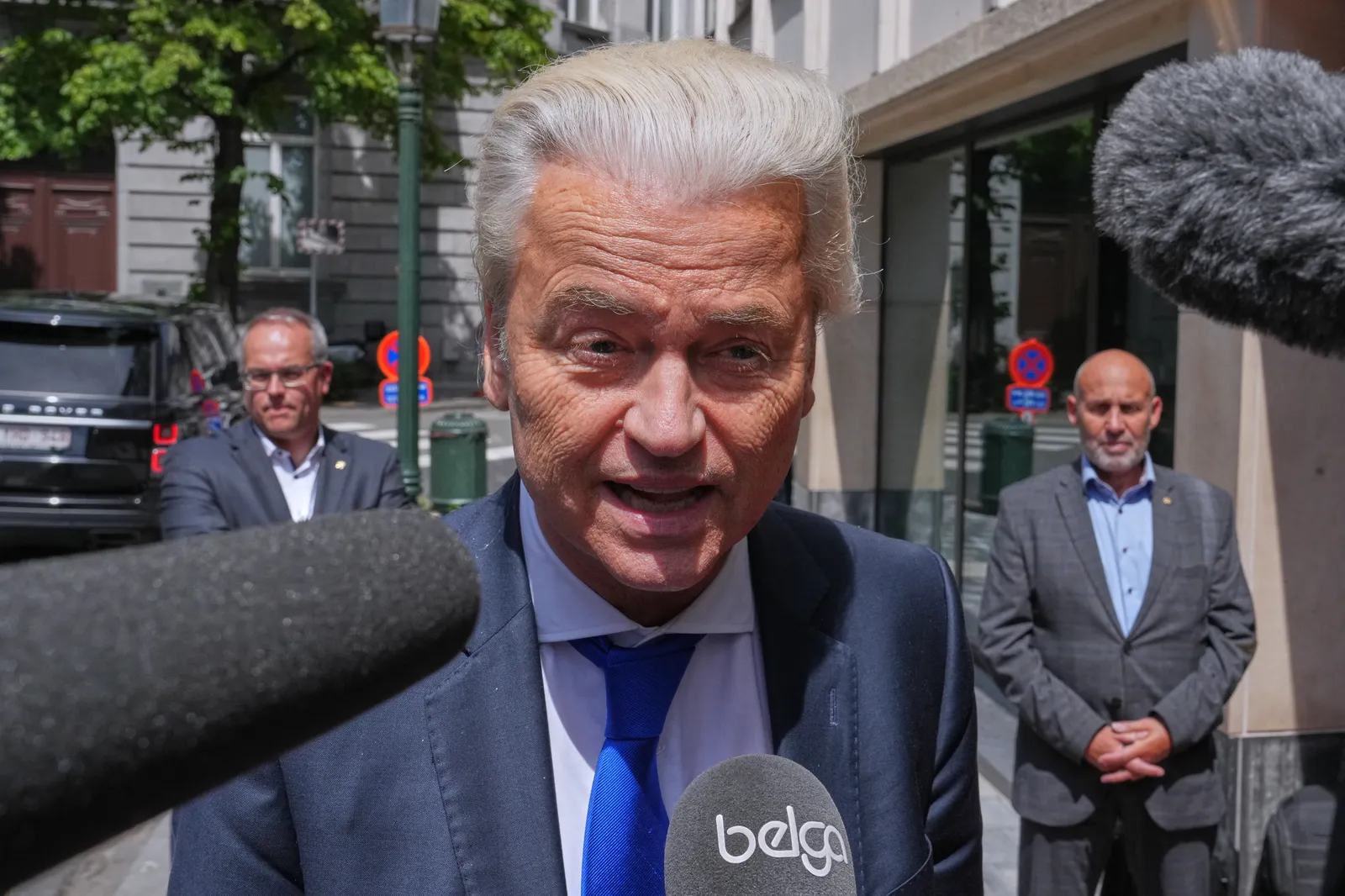
Far-right party leaders across Europe, including France’s National Rally, Germany’s AfD, and England’s Reform UK, have been unusually restrained in how they talk about their national teams in the World Cup. The result is a pattern: support for the team’s performance at home, and sharper nationalist messaging aimed at others or broader identity narratives.
BERLIN - Europe’s far-right leaders have largely stayed unusually quiet about the fate of their own national teams during the World Cup. Politico reports that top officials from France’s National Rally, the Alternative for Germany (AfD), England’s Reform UK, and others faced a problem that sounds simple until you see the roster: how do you sell “strong national pride” when the players themselves reflect a multicultural reality that their ideology often treats as suspect?
This is not just a media tactic. Sports, for these parties, has historically been an emotionally efficient channel for expressing nationalism. As Andrei S. Markovits, a professor at the University of Michigan who studies sports and nationalism, puts it, “For the right, for whom national identification and identity has always been more salient than for the center and the left, soccer fandom was a natural conduit to express its passion and commitment.” But Markovits also points out that this got harder when players “hail from multicultural backgrounds, many of which the right sees as inferior.”
So instead of blasting their own teams, these leaders often soften their tone, or redirect the energy. Alan Bairner, a professor at England’s Loughborough University who has researched sports and national identity, suggests why: “It would not be good in terms of their electoral strength for [far-right parties] to be critical of these teams. But the fact that they might seem a bit lukewarm is in itself a telling thing.” In other words, even when they are not criticizing, the lack of enthusiasm becomes data, and it signals the underlying tension: the far-right’s definition of the nation is at odds with what a national team actually looks like.
The stakes are also visible in how quickly “identity debates” spill into mainstream politics when far-right leaders step too hard on the cultural fault line. Politico notes that Former Spanish Prime Minister Mariano Rajoy learned that lesson when people reacted strongly to a comment ahead of Spain’s semifinal match against France. Rajoy’s phrasing was that the French national team was “without Frenchmen,” a line widely read as a dig at the African origins of many French star players. That kind of blowback is part of what makes the current World Cup moment so complicated for far-right parties: criticizing can backfire, but going along too much risks looking inconsistent with their core story about national identity.
The pattern, per Politico, looks like this. When it comes to their own squads, far-right leaders either deliver the basic messages of support expected of them, or they simply stay quiet. National Rally leader Jordan Bardella, despite past jabs at French striker Kylian Mbappé, congratulated the French team after they lost to Spain earlier this week and said they “thrilled an entire nation” with their World Cup performance. Meanwhile, AfD leaders Alice Weidel and Tino Chrupalla worked to downplay criticism of the German team’s diversity, responding dismissively when an AfD state-level politician claimed that Germany’s squad “has lost the quality of an authentic German national team” because of its diverse roster.
But at the same time, far-right messaging does not disappear. It relocates. Politico describes how criticism gets aimed at other teams, or how leaders use the tournament as a stage to push nationalist narratives that serve their own purposes. Geert Wilders, leader of the Netherlands’ far-right Freedom Party, posted an image of himself in a bright-orange suit to cheer on the Dutch team in the early stages of the World Cup. Yet Politico also notes the contrast with comments he made the day earlier, when he reposted a picture of members of the Moroccan squad praying on the field with an anti-Islam insult as the caption. After the Netherlands lost to Morocco in a penalty shootout late last month, and after celebrations in The Hague led to clashes with police, Wilders used the occasion to call for the deportation of all Moroccans involved in the clashes.
In England, Nigel Farage of Reform UK used the semifinal against Argentina to pivot to old-country conflict memory. ” Earlier in the tournament, Farage ran into trouble after posting a photo of himself celebrating an England win by chugging a pint in a Three Lions jersey, only for observers to note it was a picture from the 2024 Euros. The common thread is not just sports. It is identity framing, conflict imagery, and an effort to turn what should be a unifying spectacle into something more politically granular.
There is also an ideological logic underneath the optics. Markovits offers a blunt interpretation of what far-right figures can accept in practice. In response to the tension, he asks, “If a player of an ethnic group whom you deem inferior scores goals for you, what are you going to do? Disavow him as belonging to the nation that you love?” Then he answers his own dilemma: “No … you may deep down still doubt the genuine essence of his nationality, but you accept his goals and appropriate them as your own.” That is the conundrum laid bare. The team wins, the narrative benefits, and the players become political props. Criticism is reserved for situations where the emotional and electoral payoff shifts.
For executives and board-level strategists watching European politics as a risk factor, this matters for a reason beyond the headlines. When political movements start treating national identity as negotiable depending on match results, it can intensify polarization and increase the volatility of public sentiment. It also changes how brands, sponsors, media teams, and employers in those countries calculate messaging safety, because “neutral” sports coverage can quickly become political when leaders decide to attach immigration, religion, or conflict to a tournament moment. Even if far-right parties do not publicly torch their own teams, Politico’s reporting suggests the deeper story is still there, just moved to the margins until the next provocation.
This story's Key Insights and Take-aways are locked.
Create a free account to unlock Executive Actions for one credit.
Register to UnlockAlways free for Executives Club members. Join the Club
More in Politics
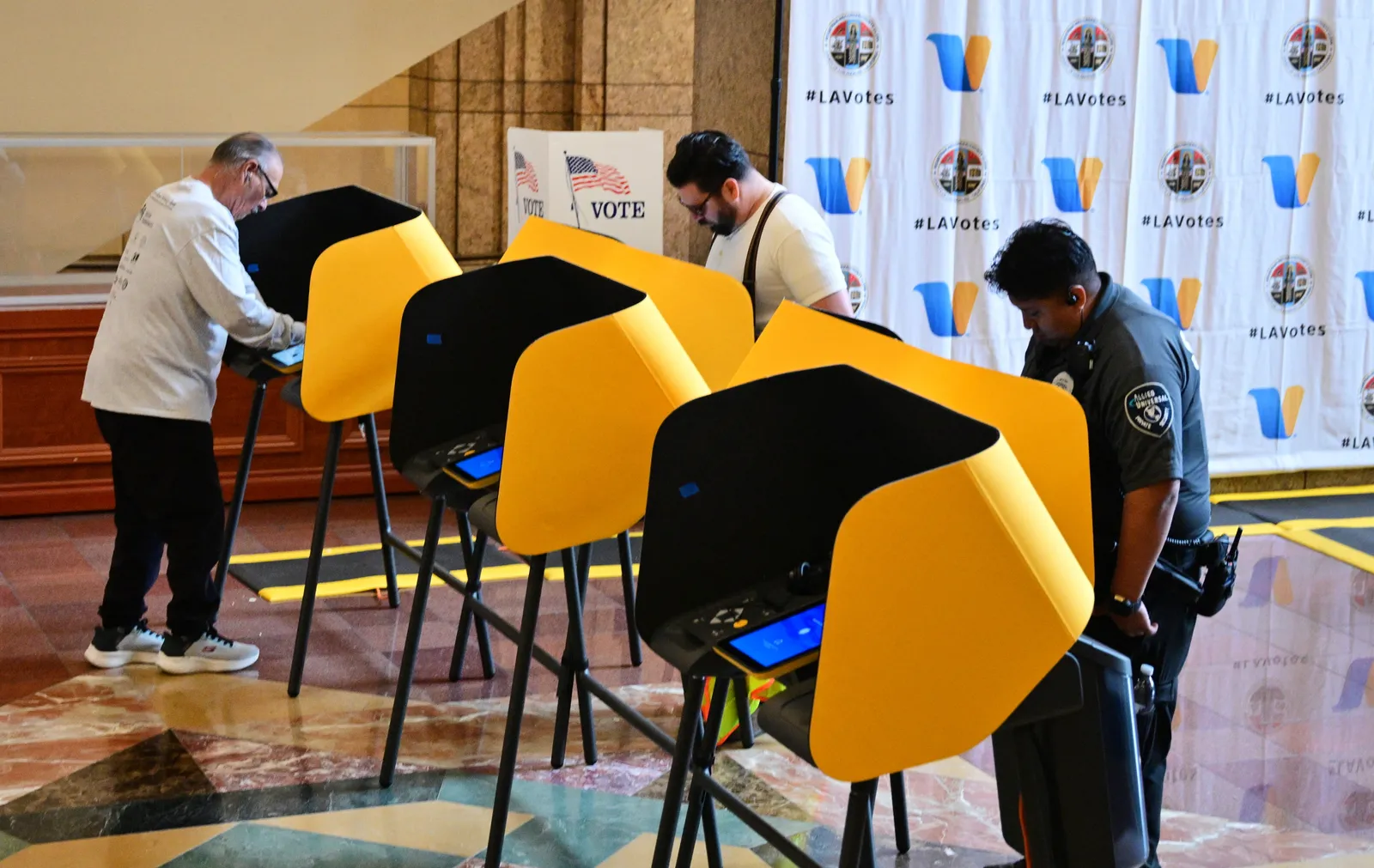
LA County: DOJ's 20,000 'noncitizen' voter list is 'unreliable,' includes U.S.-born
Preliminary review by Los Angeles County election officials finds errors in the federal list, raising the stakes for voter roll integrity ahead of November.
Trump's $1.5B Pentagon chip investment lands in North Carolina
A $1.5 billion defense infusion for North Carolina chipmaking signals a new era of Pentagon-backed reshoring - here's what it means for the industry.
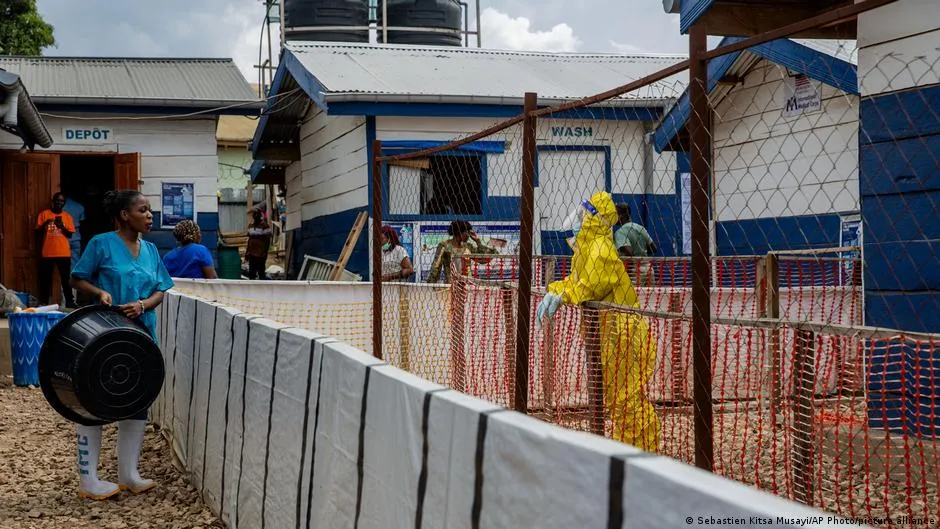
Nigeria confirms first Ebola case in Abuja, a woman just off a Uganda flight
Health Minister Muhammad Ali Pate says the patient flew in from Uganda, putting Africa's latest outbreak on Nigeria's doorstep.