
European lawmakers demand FIFA chief Gianni Infantino reverse Russia U-15 youth door
A new U-15 tournament in Azerbaijan just reopened a political fault line that FIFA tried to close after 2022.
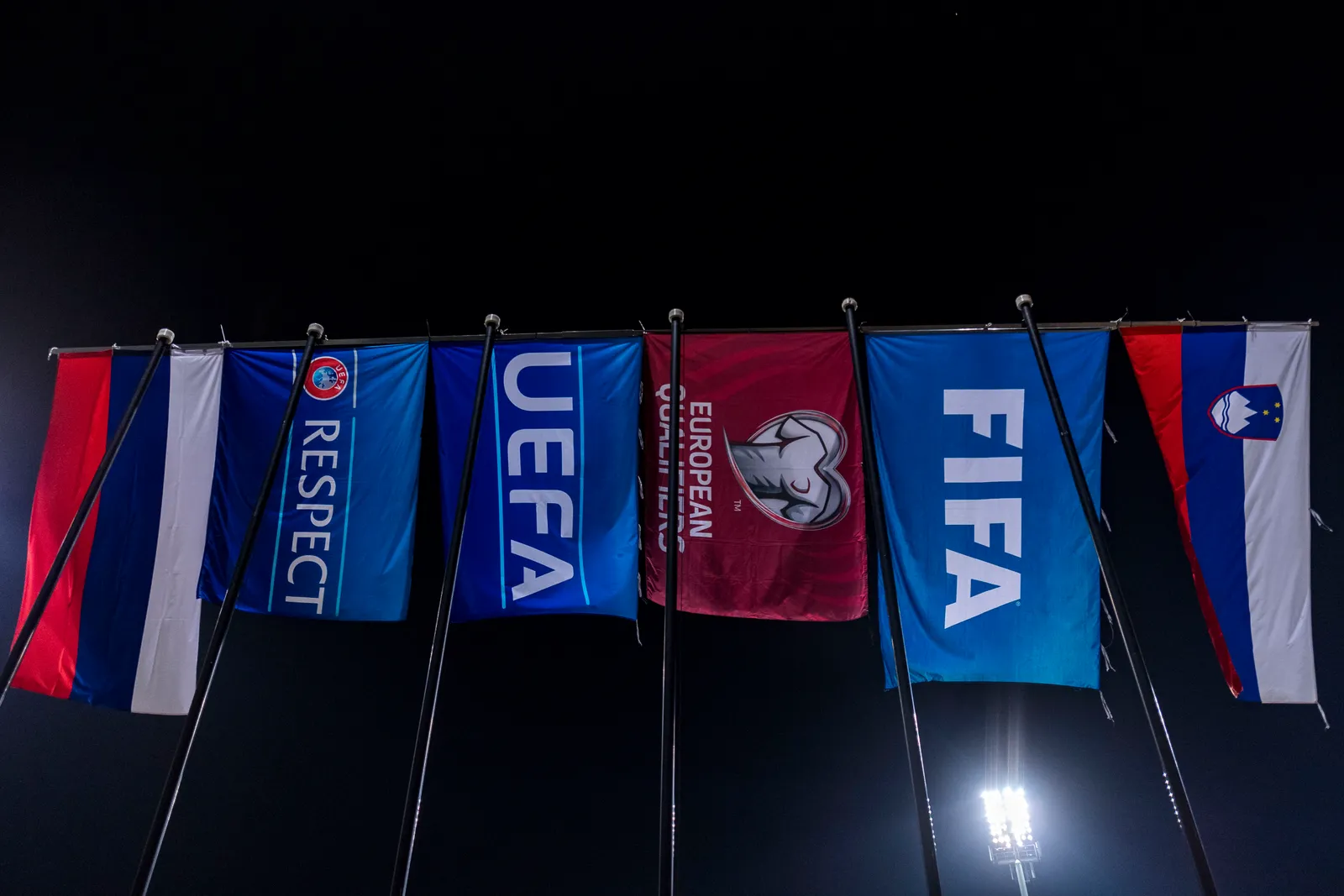
Forty-four members of the European Parliament are urging FIFA President Gianni Infantino to reverse FIFA's decision to allow Russian athletes at this year's inaugural U-15 World Cup in Azerbaijan. For executives and decision-makers, the dispute signals how sports governance is becoming a compliance and reputational risk, not just a sporting one.
BRUSSELS - Forty-four members of the European Parliament are urging FIFA President Gianni Infantino to reverse FIFA's decision to allow Russian athletes to play at this year's inaugural U-15 World Cup in Azerbaijan. In their letter, obtained by POLITICO, the lawmakers argue Russia should not be readmitted to FIFA competitions until it enters peace negotiations with Ukraine, ceases fire, and agrees to return children kidnapped from Ukrainian territories. They say FIFA is reigniting a fight over whether youth sports can be insulated from geopolitics, or whether global governing bodies will be forced to choose sides.
The lawmakers' core claim is not abstract. They criticize FIFA for ignoring what they describe as “around 20,000 Ukrainian children … forcibly kidnapped and separated from their families by [Russian President Vladimir] Putin’s regime.” They urge FIFA to “stand on the side of peace and not appease the aggressor - Russia.” If that sounds like moral language, it is also a governance problem: FIFA’s participation rules for a youth tournament are now being treated by European lawmakers as a de facto policy decision with downstream consequences.
FIFA’s move came after years of Russian isolation in football. After Putin launched his invasion of Ukraine in 2022, FIFA banned Russia from participating in all of its football competitions. FIFA later lifted the blanket ban for youth competitions in 2023, but Russian teams have not played in its U-17 World Cups since that time. So the U-15 decision matters because it represents the next step in a gradual re-entry, just as European scrutiny is intensifying.
Last week, FIFA announced its first U-15 World Cup, with boys and girls competing this October in Azerbaijan. FIFA said the competition would be open to “all FIFA member associations,” a phrase that effectively opened the door to Russia’s participation. Infantino, who previously argued that sanctions should be revisited, said in February that FIFA should lift its ban on Russia because bans “create more hatred.” The European Parliament letter challenges that logic head-on, warning that reopening eligibility could trigger broader political backlash, including boycotts by other member countries.
That boycott risk is the part that should make sports executives sit up, even if they never touch UEFA or FIFA compliance directly. The lawmakers argue allowing Russia to participate could lead other member countries to boycott the competition, which they call “very understandable.” Their concern is that this would “distort FIFA sporting events,” where they say the principle that the best team wins will no longer prevail. In other words, they believe FIFA is trading a clean sporting narrative for a political one, and that narrative will shape attendance, sponsorship sentiment, and media coverage.
Ukraine’s posture reinforces the pressure. The Ukrainian football federation has previously said it would not participate in competitions with Russia. That matters because it turns FIFA’s “all member associations” framing into a test case. Even when FIFA wants to keep governance rules standardized, national federations decide whether to show up. If Ukraine stays out, and if other countries follow with boycotts, FIFA’s tournament could become less about tournament structure and more about political alignment.
The legal and regulatory background makes the situation harder to unwind. In March of 2022, Russia appealed the FIFA ban to the Court of Arbitration for Sport (CAS). The body dismissed Russia's claim. Russia’s subsequent gradual return to other sports has triggered outrage in Ukraine and been denounced by the EU, according to the source. For FIFA, that creates a two-sided trap: keep Russia out and risk being accused of overreach or collective punishment; let Russia back in and face allegations that the organization is ignoring the consequences of the invasion, particularly for children.
Second-order implications for decision-makers go beyond football. This episode is a live example of how sports governance is increasingly intersecting with EU-level expectations and broader compliance norms. When a global federation opens youth eligibility, it signals to governments, sponsors, broadcasters, and athletes that rules may be reinterpreted under political pressure. Executives at sports organizations, sponsors, and media partners should assume that political and reputational risk can materialize quickly, and that “youth” does not automatically mean “depoliticized.” The question for peers like FIFA is whether they can control the narrative once governments and lawmakers treat sporting eligibility as a governance lever tied to humanitarian and diplomatic milestones.
This story's Key Insights and Take-aways are locked.
Create a free account to unlock Executive Actions for one credit.
Register to UnlockAlways free for Executives Club members. Join the Club
More in Politics
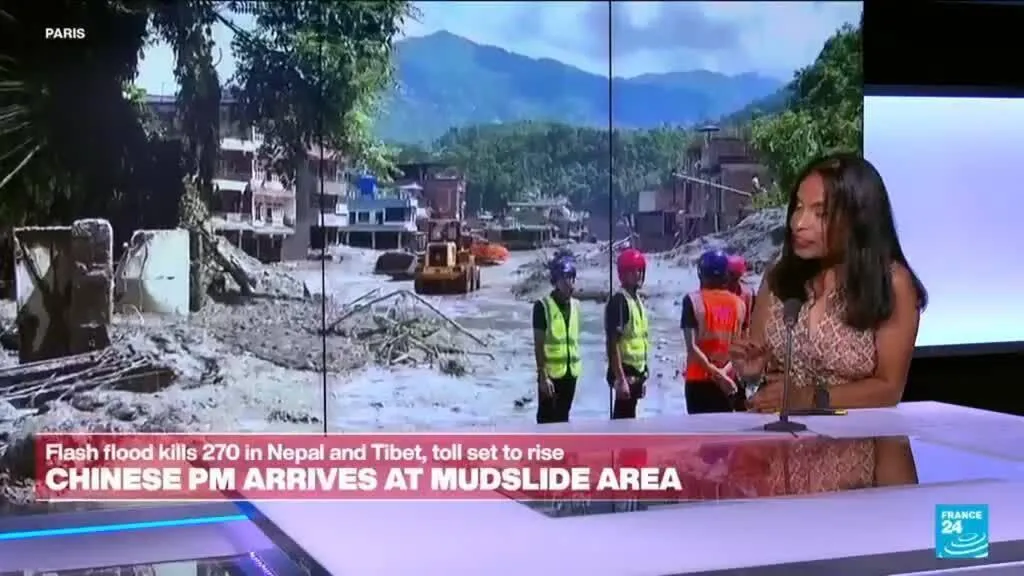
Glacial collapse, not rain, killed 180 in Nepal's Himalayan flood
The Himalaya's extreme geography hid the true cause of Nepal's catastrophic flood, a glacial collapse that turned a geological battleground into a mass-casualty zone.
Iran’s Esmail Baghaei says Oman talks start shipping via Hormuz, not US talks yet
Temporary route plans with Oman aim to restart commerce while Tehran says Washington dialogue is not on the table.
Standards watchdog opens probe into Reform UK deputy leader Richard Tice over interests
The parliamentary standards commissioner says it began an investigation on 28 July into a possible undeclared interest.