
Evan Spiegel says “Snap Specs” are not “AI glasses” and privacy controls come first
Snap CEO Evan Spiegel explains how its Specs, privacy, and parental controls fit into the new computing reality.
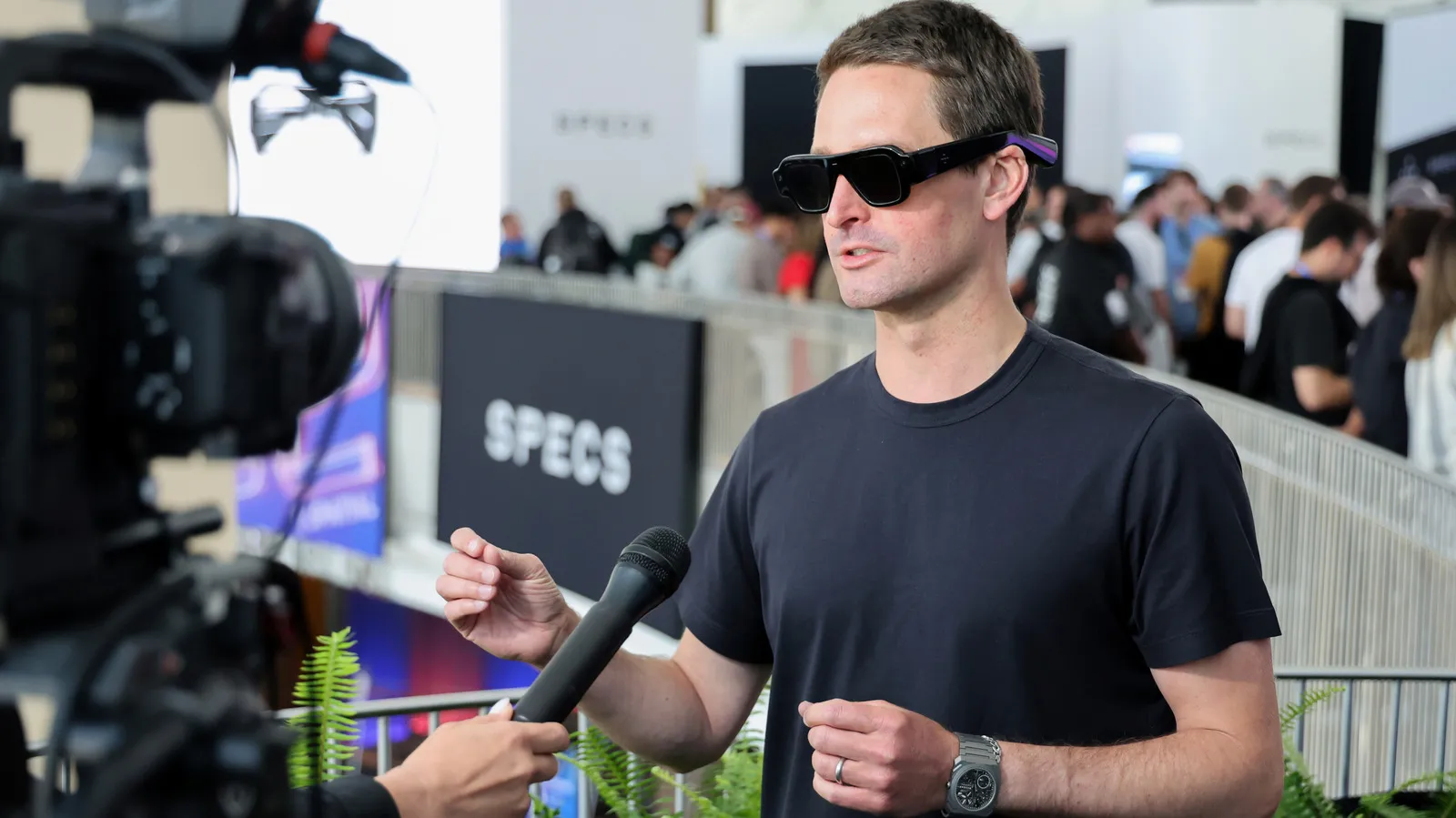
Snap CEO Evan Spiegel sat down to discuss Snap Specs, emphasizing privacy, parental controls, and how users should think about the devices. For decision-makers, his framing matters because it shapes how regulators, parents, and customers evaluate “AI” wearables.
Snap CEO Evan Spiegel sat with Engadget to talk about Snap Specs, privacy, parental controls, and more. The headline point is simple: he does not want people calling Snap Specs “AI glasses.” Instead, he pushes a different concept of what the hardware is, and the conversation keeps circling back to one word he reportedly uses a lot: “computing.”
That distinction is more than marketing semantics, because labeling drives expectations. If you call Snap Specs “AI glasses,” you imply the devices behave like a general-purpose artificial intelligence assistant in your face at all times. Spiegel is signaling that Snap should be understood through a computing lens, with privacy guardrails and family controls treated as first-class features rather than afterthoughts. And because Spiegel is Snap’s CEO, that framing is essentially a strategic posture for the company’s next category: who the devices are for, what they do, and what safety promises come packaged with them.
To understand why this matters, you have to look at how wearables become regulated and adopted. Consumers do not just buy gadgets. They buy comfort. They buy permission. In practice, privacy is the gating item for camera and audio capable devices, especially when they wear the “AI” label. “AI” is a broad term that can trigger concerns about constant sensing, inference, and storage, even if the product experience is more limited than the label implies. By trying to control the vocabulary, Spiegel is controlling the debate. He is effectively saying, “Judge Specs by what they are and how they handle privacy, not by the AI mythology that comes free with the phrase.”
Parental controls, which Spiegel discussed during the same conversation, are the other half of that adoption equation. For consumer tech, the hardest sell is often not the early adopters, it is the families deciding whether the device is appropriate and manageable. Parents want clarity, not hand-waving. They want knobs they can turn. They want to know whether a device can be used safely, whether content and capabilities can be limited, and how those limits persist over time. When a CEO emphasizes parental controls alongside privacy, it signals that Snap sees Specs as something that belongs in everyday life, including households where oversight is required.
There is also a subtle business incentive here. Snap operates in a competitive attention economy where product differentiation is hard, and where trust is expensive but durable. Camera-forward devices create trust challenges because they can be perceived as always-on observers. If Specs are framed as AI glasses, the company risks inviting a broader set of regulatory and consumer scrutiny than its actual system requirements justify. If Specs are framed as computing devices with explicit privacy behavior, Snap can argue the product is constrained, designed, and controlled, not magically autonomous. That is a crucial difference for regulators who tend to focus on data handling, consent, and the practical user experience of sensing.
Second-order implications show up on the board and partner side as well. When companies build new hardware categories, they need cooperation from app ecosystems, platforms, and sometimes policy-minded stakeholders. A CEO steering the narrative away from “AI glasses” can make downstream discussions easier, because it narrows what partners think they are signing up to. It also affects how compliance teams map the device to existing laws and frameworks. In other words, the word “AI” can multiply questions. Spiegel appears to want fewer, clearer questions, anchored to privacy and parental controls rather than open-ended fears.
And then there is the customer reality. People already treat wearables differently depending on what they believe is happening. If someone thinks the glasses are “AI,” they may assume the device is doing complex real-time interpretation, maybe even generating outputs without the user intending it. Spiegel’s refusal to let the product name become “AI glasses” is a way to prevent those misinterpretations. The device can remain approachable, experimental, and incremental, while still delivering “computing” experiences that do not require the user to accept a sci-fi premise about constant artificial intelligence assistance.
For executives at other consumer tech firms, the takeaway is blunt. Category labels become legal and social constraints. When Evan Spiegel says Snap Specs should not be called AI glasses, he is not just trying to win a debate with the press. He is trying to shape the future expectations that regulators, parents, and customers will apply to every new feature Snap builds next. The strategic stakes are the same across the industry: if privacy and controls are not baked into the narrative early, they become harder to retrofit later when scrutiny intensifies and user trust has already been tested.
This story's Key Insights and Take-aways are locked.
Create a free account to unlock Executive Actions for one credit.
Register to UnlockAlways free for Executives Club members. Join the Club
More in Technology

Nvidia's $89B data center quarter: the 9 companies cashing in
The AI buildout is minting fortunes beyond GPUs, and memory, cloud, and cooling suppliers are riding the same wave.
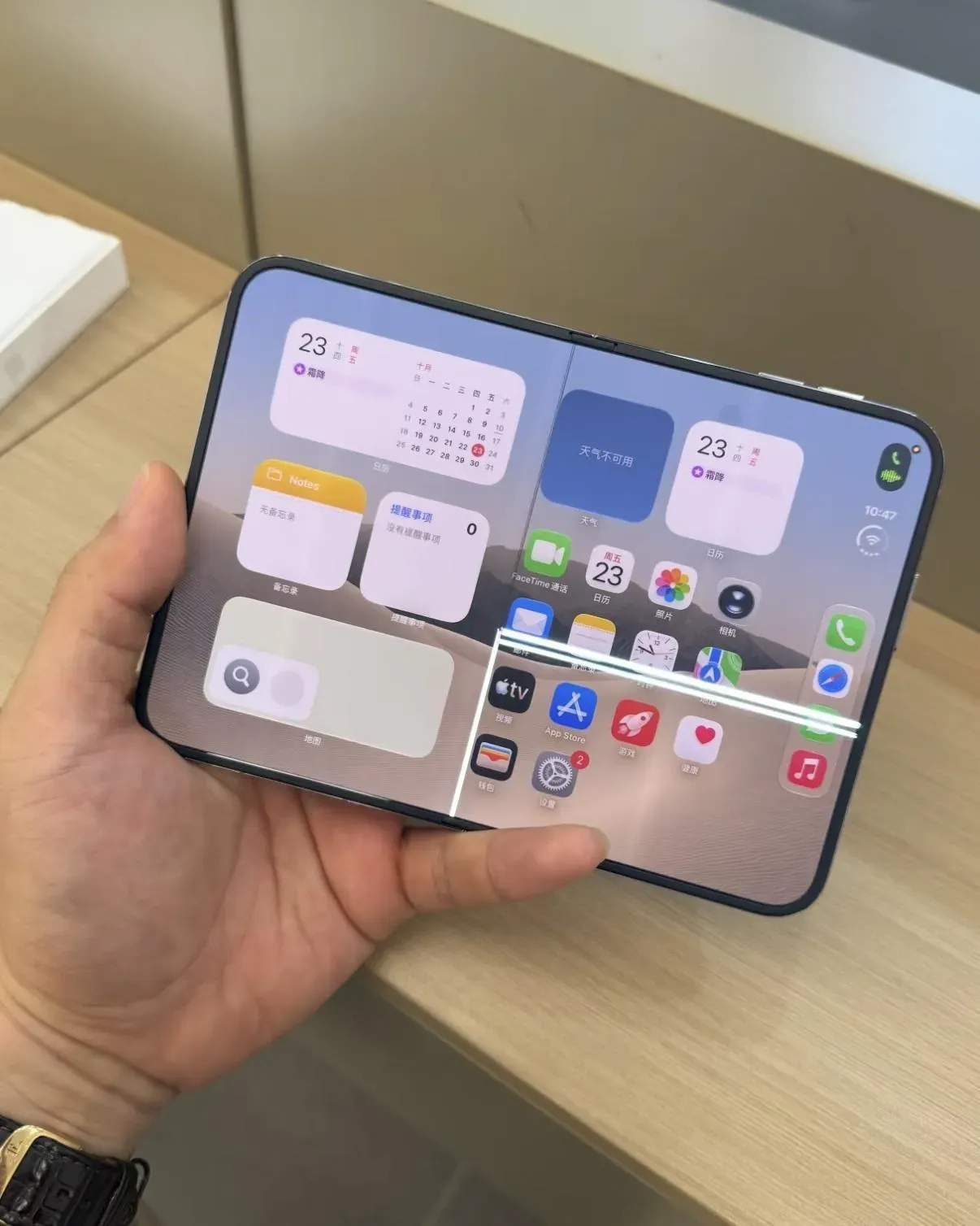
A YouTuber dissected the iPhone Duo and thinks he found crackgate's cause
CuriousHagi's teardown of Apple's foldable reveals a gear-like hinge that may explain why screens crack in the same spot within hours.

Google quietly links your phone number to every Android account on your SIM
Adding a SIM now ties your phone number to all Google accounts - and future accounts inherit it. Here's the security and privacy stakes.