

EVE Vanguard finally feels complete, even as its EVE crossover features stay optional
CCP’s FPS sequel-in-spirit is building an extraction shooter that works on its own, then plans to sync with EVE Online later.
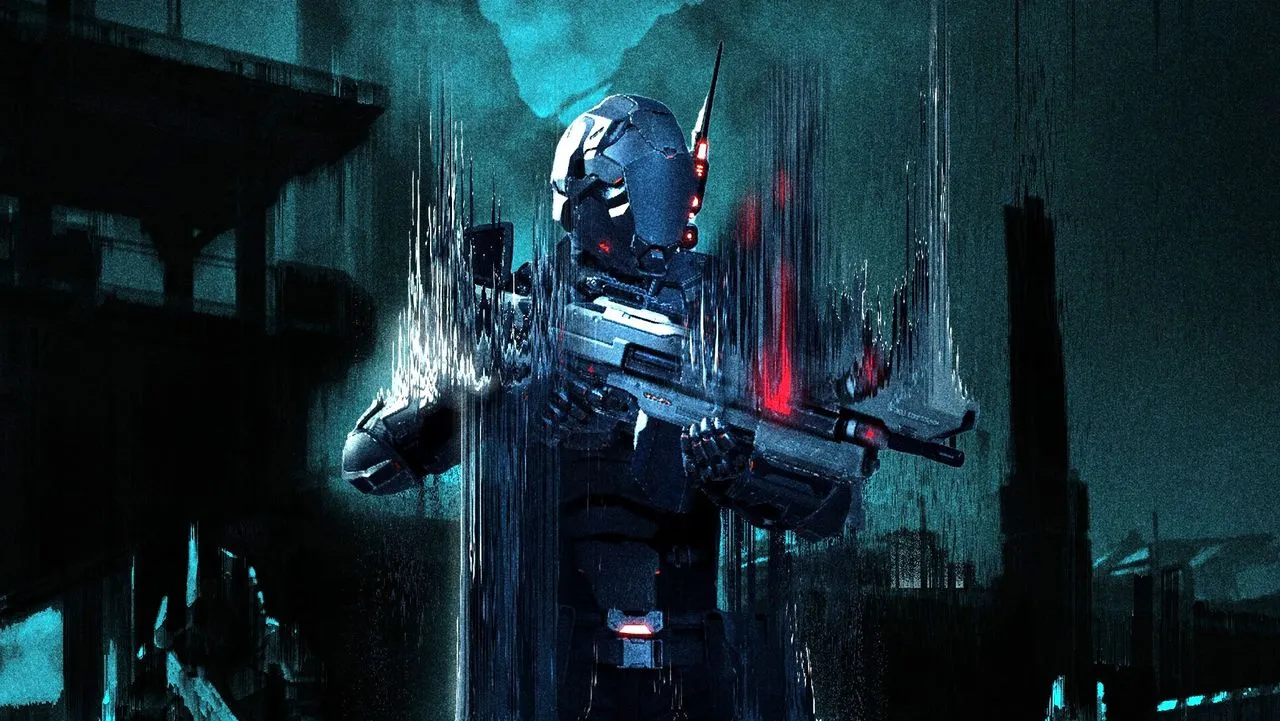
Fenris Creations, the studio behind EVE Vanguard, is running an alpha playtest called Operation Avalon that is improving fast across its third public try. The upside for decision-makers: the game’s core loop is already strong enough to stand alone, even while the ambitious EVE Online crossover pieces remain “largely theoretical.”
EVE Vanguard is the most important kind of risky: the kind that still ships a playable product while its biggest dream is still unfinished. In its current alpha playtest, Operation Avalon, Fenris Creations has made the extraction shooter feel sharper “each time” the studio has opened the doors. And crucially, it does not require the planned EVE Online cross-game integration to work. That matters because many ambitious cross-platform, cross-game “worldbuilding” projects burn players and timelines trying to hook everything together at launch.
Game director Scott Davis frames the philosophy bluntly: EVE Online designers “don’t describe themselves as 'dungeon masters.' They describe themselves as 'caretakers.'” The idea Davis and the team want for Vanguard is a similar emergent, player-driven campaign behavior, where people commit to an empire and “completely snowball the campaign.” But in the alpha, that’s not the first thing you feel. Instead, you feel the shooter. Fenris Creations “drops you right in the thick of it,” starting you on your war barge menu where the deployment button is immediately present, not buried behind a maze of onboarding.
The immediate lesson from this playtest is that Vanguard respects your time. PC shooters have trained players to expect friction, especially when there are menus, upgrades, and crafting-like materials. Vanguard still has a lot of those systems, but it does not force you to learn them before you shoot someone. The first objectives are straightforward: kill guys and loot boxes. There’s even something quietly strategic about that choice. It gives players low-pressure entry into the lone map, and it creates room for the “go figure it out” moments the game seems to prioritize, like stumbling on a lucrative climb up a tower packed with enemies and loot. You still get surprise even when the structure is light.
When Vanguard does put you in a bad spot, it does it in a way that makes the learning curve feel earned rather than cruel. In one early deployment, the player gets bodied by another player and returns on subsequent runs with the grey rarity, loaner “poop tier default assault rifle.” The name is editorially funny, but the gameplay takeaway is real: even weak gear feels satisfying to shoot, with the main drawback being a punishingly and hilariously glacial reload animation. That reload timing becomes a core part of combat rhythm, forcing attention during the window where risk spikes. The guns also carry the studio’s design signature, with great sound, feedback, and models. One standout is a Halo Covenant-looking laser sniper rifle you have to charge for each shot, while the shotgun is also “fun to” play. In extraction shooters, feel matters because survival depends on micro decisions: positioning, pacing, and whether a weapon’s feedback tells the truth fast enough.
So why is this alpha “coming together” beyond moment-to-moment shooting? Because Fenris Creations is also dialing the scaffolding that makes extraction loops coherent. Davis says the specifics of enemy spawn rates, economy, EVE Online integration, and tutorials can all be dialed in. Translation: the team can tune the invisible pressures that turn a shooter into a system. Enemy behaviors, timer-driven extraction sites, and the interplay between NPC mobs and rival players are already setting up those emergent stories extraction shooters are famous for.
The structure is a classic pressure curve. During a match, extraction sites close one-by-one as a timer ticks down. PvE mobs spawn in larger numbers to hunt you once only one site remains. At the moment, that transition can feel abrupt, because matches are mostly quiet and then go frantic at the end. But the final stretch is described as “pitch perfect,” with mad dashes to the last extraction point, enemies pursuing with dogged persistence, and squads scrambling to survive alongside each other. The interesting second-order effect for execs and investors is that these systems naturally generate rival-player behavior. The source points to the emergent behavior that makes Tarkov and Arc Raiders sing: players bond temporarily against common NPC threats, then break apart to chase advantage. You do not need the EVE crossover to get that. You need the underlying incentives to align, and Vanguard seems to already be doing that.
On top of the gameplay, Vanguard is translating EVE Online’s aesthetic to human scale. EVE has a “underrated sci-fi aesthetic,” and Vanguard leans into grim, utilitarian, industrial structures scattered across rugged volcanic terrain draped in moss. Think Prometheus, Death Stranding, and “Fenris’ native Iceland” as the vibe references. The visual signature includes bright yellow, holographic livery for an interstellar industrial concern, which helps make the world feel authored and not just procedural. That matters competitively. Extraction shooters live and die on the credibility of their arenas. If the space is forgettable, the stakes lose texture.
The big uncertainty is still there, but it’s being handled with clear pacing. Vanguard’s alpha is not claiming the EVE crossover is fully realized today. The alpha’s early integration is “taking the first furtive steps” with a concurrent EVE Online event, and the source stresses it is “still largely theoretical and in the future.” That is where market context matters. Multiplayer shooter timelines are notoriously unpredictable right now, and the source notes there “may have never been a more uncertain time in the multiplayer shooter space.” In that environment, the strategic value is simple: a studio has to prove the base game is strong enough that the product can survive waiting for the bigger feature set.
Davis reinforces that goal directly. He says the goal with the alpha is to make something where people will play it and want to come back. It is not about building a tech demo. It is about building a game players miss, especially if it gets canceled. He references Dust 514, from 2013, as the predecessor vision: the original FPS tie-in attempt, limited by being a PS3 exclusive, and the developer now known as Fenris Creations. The studio wants players to miss “bombardments” and “suit fitting,” not just plain nine vs nine team deathmatch. Vanguard’s ace in the hole is the cross-game integration with EVE Online, but the playtest suggests the more immediate ace is that the shooter itself feels worthy of consideration before that integration even arrives. If you’re a peer team watching this, the stake is obvious: the safest way to bet on an ambitious meta-system is to ship a game that works while the meta-system is still cooking.
This story's Key Insights and Take-aways are locked.
Create a free account to unlock Executive Actions for one credit.
Register to UnlockAlways free for Executives Club members. Join the Club
More in Entertainment

12TB Steam 'teraleak' goes beyond Valve: GTA 3, Mafia 2 prototypes exposed
A 12-terabyte dump of Steam data reveals prototypes and builds of third-party classics like GTA 3 and Mafia 2, plus unreleased Valve content, rewriting game history.

LinkedIn's romance problem: 1 in 4 workers say dating on it is fair game
A new survey shows a quarter of U.S. employees treat the professional network as fair game for romance, even as LinkedIn bans it and removes hundreds of thousands of offending posts.

Enhypen's first No. 1 album breaks K-pop's Billboard 200 streak
The K-pop group's 98,000-unit debut tops the chart while Dolly Parton's catalog reentry shows how death reshapes streaming.