
EVs Got Cheaper Everywhere Except America
Global EV prices fell in 2025, but U.S. buyers are still boxed in by weak policy, no cheap Chinese models, and a taste for bigger cars.
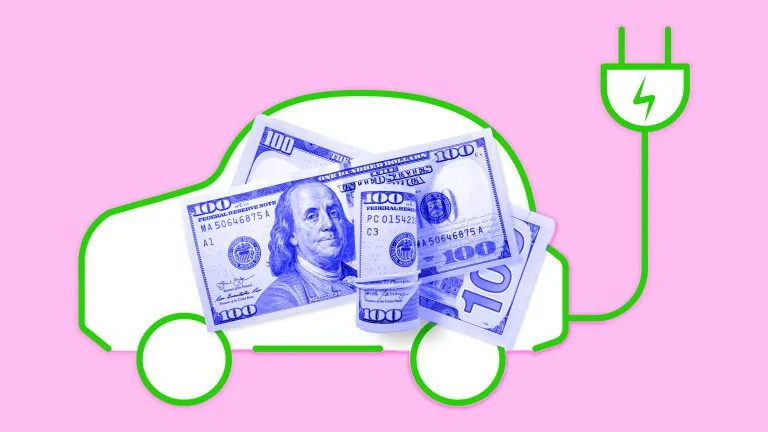
Electric cars became more affordable across much of the world in 2025, while the U.S. remained the outlier, according to Rest of World. That split matters for automakers, policymakers, and investors because it shows affordability is not just a manufacturing problem, it is also a policy and market-design problem.
Electric cars got cheaper in much of the world in 2025. In the U.S., they did not. That is the whole story in one line, and it is a pretty awkward one for the world's richest car market. Rest of World reports that one in four cars sold globally is now electric, a sign that EVs are moving from niche product to mainstream hardware in a lot of places. But U.S. penetration is still lagging, and the affordability gap is a big reason why.
The U.S. problem is not just one thing, which is why it keeps sticking around. Rest of World points to three main blockers: a lack of supportive policy and subsidies, the unavailability of affordable Chinese models, and a preference for big cars. Put those together and you get a market where the cheapest EV options are harder to access, incentives are less helpful, and the vehicles American buyers tend to want are often larger and pricier. In other words, the U.S. is not simply behind on EV adoption. It is operating under a different set of incentives than the markets where electric cars are getting cheaper and spreading faster.
That matters because affordability is what usually turns a cool technology into a mass product. EVs do not need to win on vibes anymore. They need to win on total cost, availability, and fit. Around the world, falling prices can push EVs into the kind of territory where ordinary buyers start to see them as a practical option rather than a status signal or a policy experiment. In the U.S., however, the mix of weak support, limited access to lower-cost foreign models, and consumer demand for bigger vehicles slows that transition. The result is a market that may talk about electrification loudly, but still makes it hard for a lot of households to actually buy in.
For automakers, that split creates a very specific headache. Global EV strategy now has to be region by region, not slogan by slogan. A carmaker can see demand rising internationally and still struggle to unlock volume in the U.S. if the pricing ladder is wrong, the incentives are thin, or the product lineup does not match what Americans buy. The source does not go into individual company strategies, but the implication is straightforward: if one in four cars sold globally is already electric, companies that fail to adapt to local affordability conditions risk missing the fastest-growing demand pockets while still burning money trying to force the wrong product into the wrong market.
The policy piece is just as important. The source says the U.S. lacks supportive policy and subsidies, and that is not a minor footnote. Subsidies can do more than lower sticker prices. They can shape consumer timing, help manufacturers plan capacity, and reduce the psychological barrier around making the first EV purchase. Without that support, the market has to work harder to get buyers over the line. And because the U.S. also does not have the availability of affordable Chinese EV models that exist elsewhere, buyers have fewer low-cost choices to compare against internal combustion cars. That combination leaves the market more exposed to sticker shock, especially for families already shopping in the larger-vehicle segment.
There is also a cultural angle hiding inside the economics. The source notes a U.S. preference for big cars, and that detail matters because vehicle size and price are linked. Larger vehicles generally cost more, and if the market is already missing the cheapest EV imports and has less policy support to offset prices, that preference becomes another drag on affordability. It is one thing to electrify a compact car segment. It is another to do it at scale in a market where buyers often want SUVs and trucks. That makes the U.S. transition structurally harder than in places where smaller, cheaper EVs can play a bigger role.
For executives and boards, the broader lesson is that EV adoption is not just a technology curve, it is a policy and product-market fit curve. The same vehicle category can expand quickly in one geography and stall in another because the operating environment is different. That means revenue forecasts, capital allocation, and rollout plans need to account for more than battery costs and factory output. They need to account for subsidy regimes, competitive imports, and the size preferences of local consumers. The U.S. is the clearest example in this story: electric cars are getting more affordable worldwide, but unless policy, product mix, and consumer fit line up, a market can still be left watching from the curb while the rest of the world drives off.
For decision-makers, that is the strategic sting. The EV race is no longer only about who can build the car. It is about who can make the car affordable in the exact market they are trying to win. Global leaders who understand that will price, lobby, and plan differently. Those who do not may discover that the biggest market in the world is also the hardest one to electrify.
This story's Key Insights and Take-aways are locked.
Create a free account to unlock Executive Actions for one credit.
Register to UnlockAlways free for Executives Club members. Join the Club
More in Technology

OpenAI says 10,000 agents cracked a 90-year math problem in 88 hours
The company's claim is audacious, but one mathematician is pushing back. Here's what it means for AI-driven discovery.

Meta still serves child sexual abuse ads on Instagram in India - BBC report
A new report following the BBC Eye investigation says the ads are still there - what it signals for every platform with a self-serve ad engine.
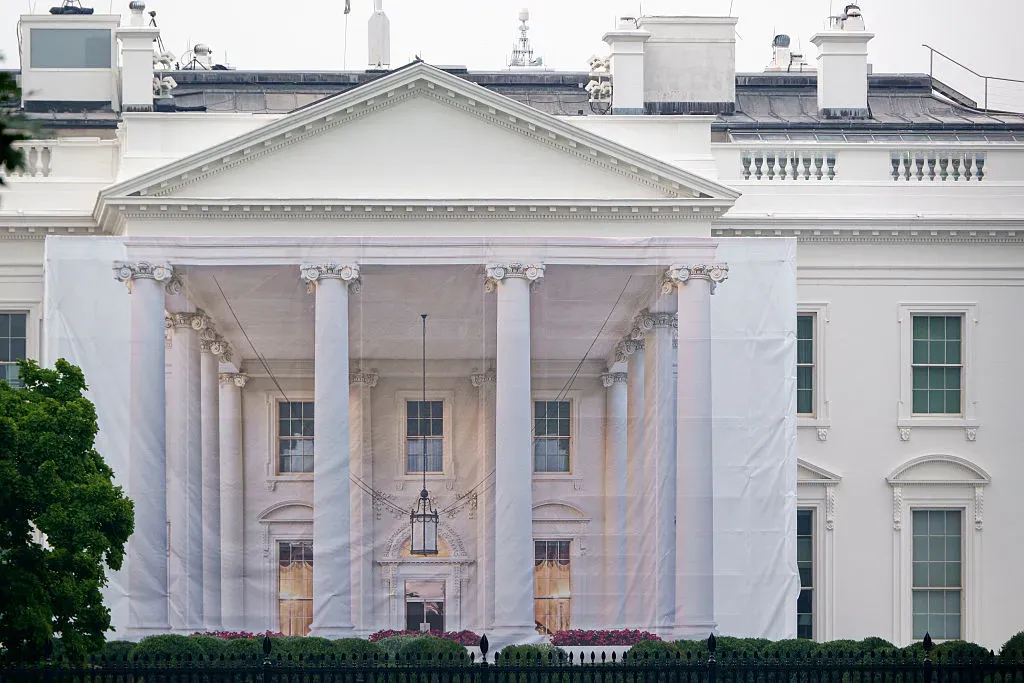
White House yanks 'Build the Wall' game after Tetris Company copyright warning
The administration's arcade game vanished in hours - and the takedown playbook every brand can learn from.