

Ex-Blizzard boss: a $1,800 Xbox 'will never sell' - stick with current-gen
Former Blizzard president Mike Ybarra says Microsoft should skip a $1,200-$1,800 next-gen launch and keep PS5 Pro and Series X until prices normalize.
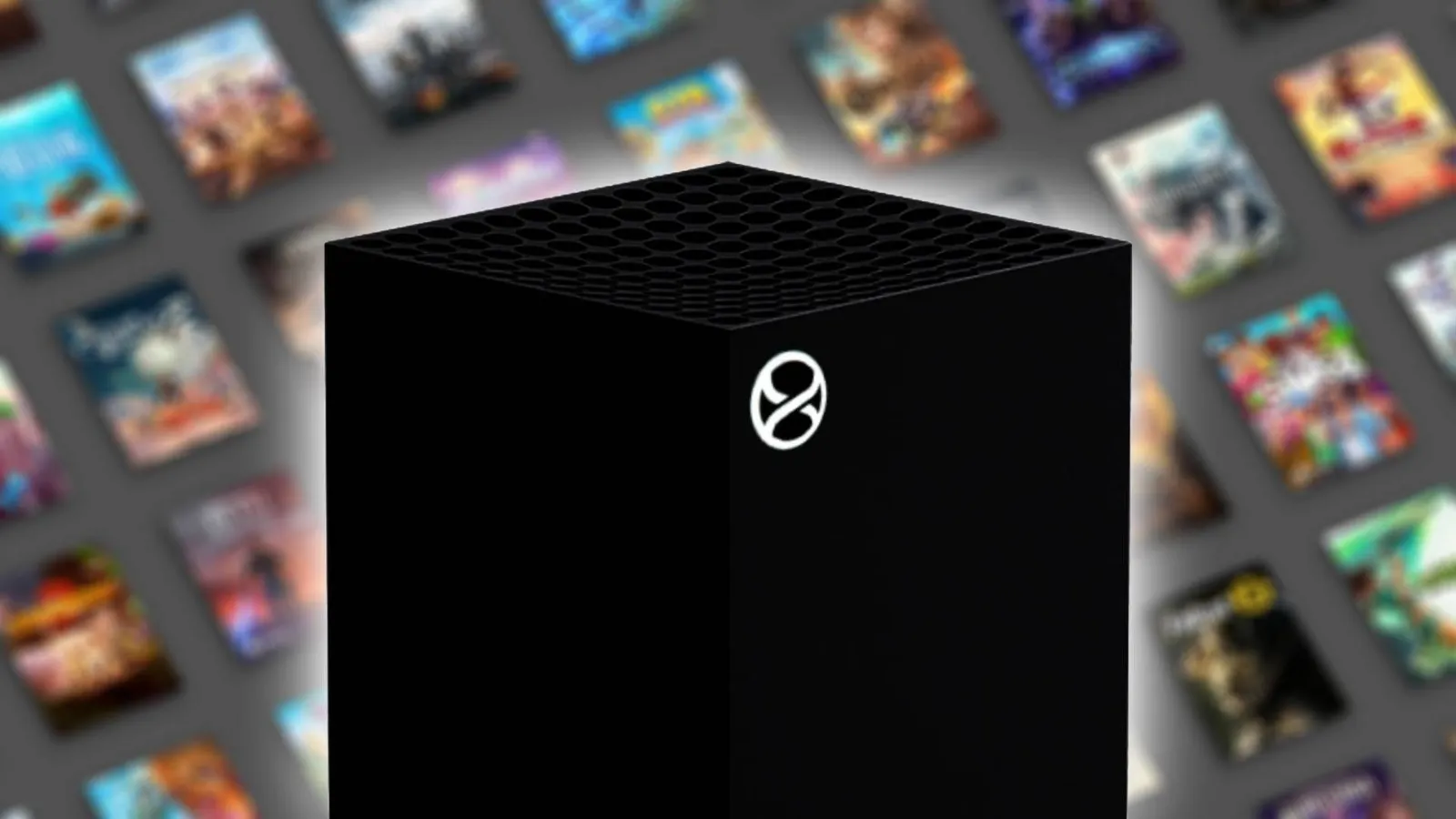
Former Blizzard president Mike Ybarra publicly urged Microsoft against releasing a next-gen Xbox at the $1,200-$1,800 price point reported by Fortune, calling such a console 'zero' value and saying he would not release it at all. The warning lands as new Xbox CEO Asha Sharma resets the division with layoffs, and it frames the pricing dilemma facing every console maker as component costs surge.
Former Blizzard president Mike Ybarra has a blunt message for Microsoft's next-gen Xbox plans: do not ship it. 'I find this very hard to believe,' he wrote, responding to a Fortune report that Microsoft is internally projecting its next home console will cost consumers between $1,200 and $1,800. Such a device, Ybarra said, 'will never sell meaningful units to be of any value vs. alternatives. Zero.' His verdict on the rumored price point was even more direct: 'I wouldn't release it at all.' The warning comes from a veteran who ran one of gaming's biggest studios, and it lands at a delicate moment for Xbox, which is mid-reset under new CEO Asha Sharma.
The numbers explain the shock. Less than six years ago, the PS5 and Xbox Series X both launched at $500. A $1,200-to-$1,800 Xbox would be a 140% to 260% price jump, driven by what Fortune describes as an unprecedented increase in component costs tied to global memory shortages. Even the most cynical pre-launch predictions for next-gen hardware rarely stretched to $1,800. Ybarra's advice to Microsoft: 'Stick with PS5 Pro/Series X until prices normalize.' He argues the current generation is 'fine for 99%' of the audience, and that no one is 'screaming I need a more powerful console right now.'
Ybarra's core argument is that a console is a mass-audience device, and mass adoption requires a low entry price. He puts the sweet spot at $399 to $499, roughly where the current generation started. At the rumored price, he argues, the device would have no meaningful value proposition versus alternatives like the PS5 Pro or Series X. He also points to software-side gains as a reason to hold off on expensive new hardware: Xbox recently announced that its machine-learning upscaler FSR 4.1 is coming to Series X and S, an example of the optimization he believes can keep current platforms competitive without a costly new box.
The broader economic backdrop makes the timing even harder. Ybarra notes that US consumers are already fielding increased prices on everything from fuel to housing to insurance to ground beef, and entertainment is increasingly squeezed out of household budgets. His own anecdote is telling: if Xbox released a $1,200 console today, he says he would 'simply dust off my Xbox Series X and tell new Xbox to get bent.' That is a striking admission from someone who ran Blizzard, and it underscores how steep the adoption hurdle would be for a premium-priced console in a cost-conscious consumer environment.
For Microsoft, the stakes go beyond one product launch. The company is navigating a reset under CEO Asha Sharma that has included significant layoffs, and the next console decision will answer a lot of questions about how Xbox plans to position itself against Sony and Nintendo. Nintendo is in a comparatively comfortable spot, having just released the Switch 2 last year. Sony and Microsoft, by contrast, are both exposed to the same component-cost pressures, and neither has an obvious path to a $500 launch price if memory costs stay elevated.
There is also the question of whether Microsoft would subsidize the hardware, as console makers have historically done, selling boxes at a loss to win the installed base and make money on games and services. The Fortune report assumes consumers bear the full cost if Xbox does not take that financial hit. At $1,200 to $1,800, the traditional console business model - cheap hardware, profitable ecosystem - starts to break down. And the rumored machine reportedly would not even run physical games, removing another traditional reason to upgrade. For players horrified by the prospect, the article's own advice is to pick up an Evercade Nexus and skip the next generation entirely.
The strategic takeaway for the wider industry is that the era of the $500 console may be ending, and every platform holder is facing the same math. Ybarra's recommendation is essentially a patience play: keep selling the current generation, squeeze more performance out of it through software and upscaling, and wait for component prices to normalize before forcing consumers to absorb a massive hardware price increase. Whether Microsoft listens will be one of the defining decisions of the next console cycle, and a signal for how the entire industry prices its future hardware.
This story's Key Insights and Take-aways are locked.
Create a free account to unlock Executive Actions for one credit.
Register to UnlockAlways free for Executives Club members. Join the Club
More in Business

BioWare shuts down, Mass Effect 5 dead after $55B EA buyout
The legendary RPG studio's closure lands months after a $55 billion investment group buyout of EA, raising tough questions for gaming's biggest acquirers.
Musk barred from the room as Tesla, SpaceX boards weigh $3.5 trillion merger
The CEO of both companies is a 'conflicted party' watching independent directors negotiate a tie-up that would create a $3.5 trillion giant he would own about a third of.

Elon Musk just showcased a flying car - and it wasn't at Tesla
The Tesla CEO's latest reveal came at SpaceX, not Tesla, signaling where vertical mobility is headed.