

Expedition off Brazil names 31 new species in two weeks, “Squid” speeds discovery
Near-record identification rates in ocean midwater suggest a new operational playbook for marine science and data-driven ecosystems.
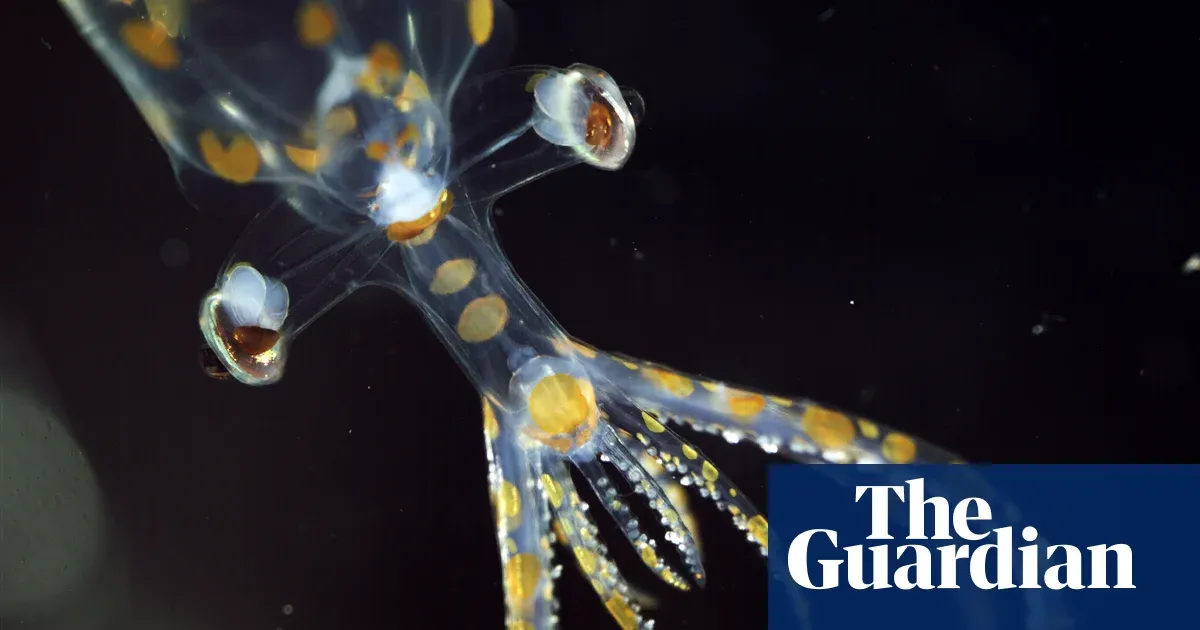
A marine biology expedition in international waters off the coast of Brazil discovered 31 new species in just two weeks, aided by cutting-edge technology. The team says the speed of finding and identifying species may be a record, supported by a breakthrough nicknamed “Squid” that enabled 3D cellular observation of microbial life onboard.
A marine biology expedition off Brazil has discovered 31 new species in just two weeks, and the researchers believe the pace of finding and identifying them may be a record. The work took place in ocean midwater in international waters, using near-record-speed operations that depended on cutting-edge technology built by a dedicated science and engineering team.
The reason this number matters is not just the biodiversity tally. For the first time onboard the ship, researchers were able to observe the living 3D cellular structure of microbial life, enabled by a technological breakthrough nicknamed “Squid.” That shift, from collecting and later analyzing to observing complex cellular structure in near real time at sea, is what likely turned the expedition’s timeline from “weeks or months” into “two weeks,” at least for this part of the workflow.
To understand why executives across biotech, environmental intelligence, and data-heavy science should care, zoom out. Biological discovery is often constrained by logistics: how quickly samples can be transported, processed, and interpreted once you are back at a lab. When the ship itself can support higher-resolution, cellular-level observation, you compress the cycle between sampling and insight. The expedition’s reported “near-record speeds” suggest a new operational standard where field biology starts to look more like modern industrial throughput, with faster identification and less waiting.
There is also a tooling story embedded in the discovery pace. The team attributes the speed at which species were found and identified to the cutting-edge technology designed and built by the science and engineering group. That matters for governance and funding because it moves the bottleneck away from pure access to the environment and toward repeatable systems. In other words, it is not only “we were lucky the ocean cooperated.” It is “we brought a machine and a method that can change what you can learn per unit time.”
For boards and investors, faster discovery can create a subtle but real shift in incentives. When new species are identified rapidly, the value of downstream work changes. Taxonomy, ecological research, and potential applications often depend on confirming what is real, unique, and observable. If an expedition can produce high-confidence biological observations faster, it can accelerate the pace at which institutions decide what to prioritize: further sampling of promising sites, follow-up studies, partnerships, or data sharing. Even if the immediate outputs of this expedition are academic, the operational template influences who gets funded next and how quickly collaborations can start.
The “Squid” breakthrough also highlights an underappreciated point: microbial life is hard to study because it is small, dynamic, and often best understood through structure. Being able to observe the living 3D cellular structure onboard addresses a fundamental problem of field science, where organisms can change between capture and examination. The source does not spell out all technical details, but the headline facts are clear: onboard capability for 3D cellular observation of microbial life arrived for the first time on this ship, and that enabled the expedition to move at near-record speed.
Regulatory framing enters indirectly, but it is still relevant. The work took place in international waters off the coast of Brazil, which typically shifts the compliance emphasis toward international research coordination, permits for sampling, and adherence to conservation and biodiversity rules rather than country-specific jurisdiction. If field teams can identify more species faster, they also need to be more disciplined about documentation and metadata, because higher throughput increases the stakes of what gets recorded, how samples are labeled, and what data is made available for future verification.
Strategically, the second-order implication for peers is straightforward: when field technology collapses the time between observation and identification, the competitive advantage goes to teams that can deploy, iterate, and standardize these systems at scale. The expedition off Brazil delivered 31 new species in two weeks by pairing near-record-speed operations with technology strong enough to support onboard 3D cellular observation, nicknamed “Squid.” If that approach proves repeatable, the winners in this space are likely to be the organizations that treat research like an engineering product: measured, instrumented, and designed for speed without losing scientific credibility.
This story's Key Insights and Take-aways are locked.
Create a free account to unlock Executive Actions for one credit.
Register to UnlockAlways free for Executives Club members. Join the Club
More in Science

University of Ottawa’s UbiMyTherapist AI reads smartwatch and earbuds to spot distress early
A new approach aims to detect emotional distress automatically, so people do not have to ask for help first.
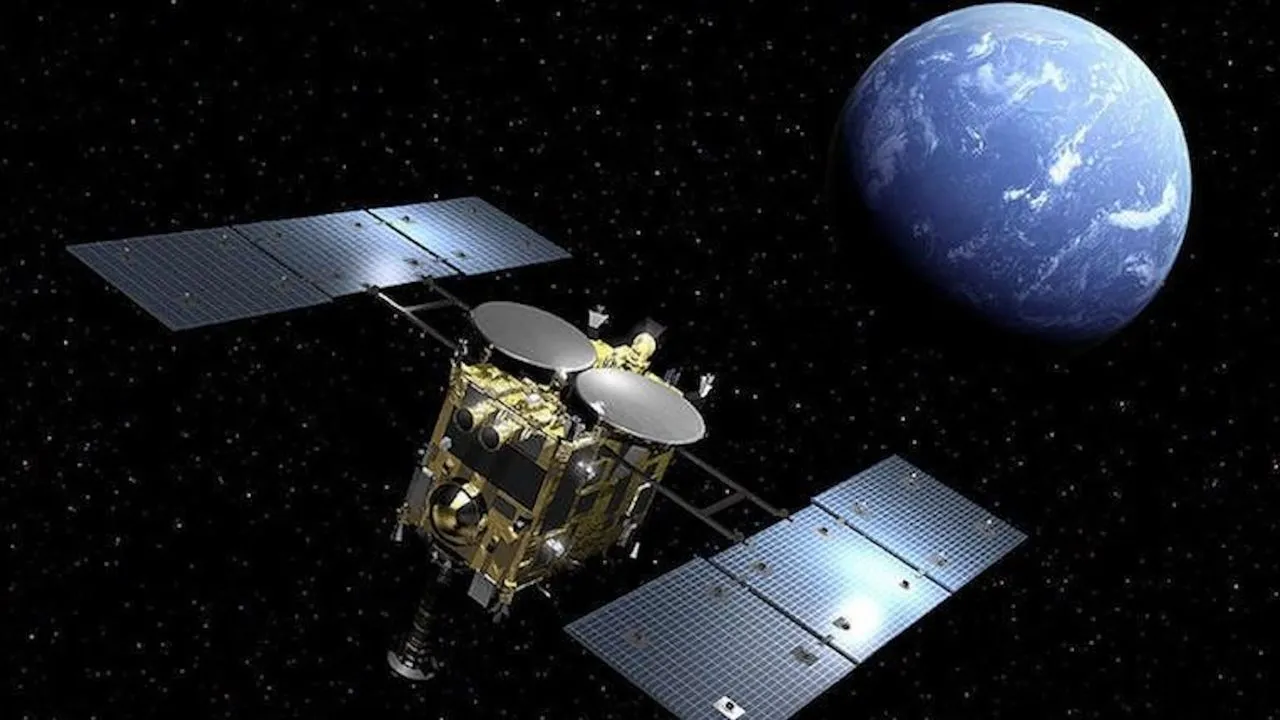
Hayabusa2 risks a 1 km flyby of Torifune July 5
Japan's probe hunts answers on a 450-meter asteroid while testing rapid reconnaissance for planetary defense.

California Polytechnic wins NASA’s $10,000 2026 Human Lander life-support prize
Top student designs in environmental control and life support for future Artemis landers just got real money and real momentum.