

Experimental measles-like antiviral pill blocked airborne spread in ferrets
In pre- and post-exposure dosing, researchers say it cut illness and contagious time, suggesting a new outbreak-containment layer.

Researchers report an experimental pill that stopped a measles-like virus from spreading through air or close contact in ferrets. If it translates beyond animals, the drug could complement vaccination by making outbreaks easier to contain.
A new experimental antiviral pill stopped a measles-like virus from spreading in the air or through close contact in ferrets, and it did so when given shortly before or shortly after exposure. That timing matters. It is one thing to have an intervention that helps after exposure, and it is a different thing to show it can blunt onward transmission through the two routes that actually drive outbreaks: airborne spread and person-to-person proximity.
Just as important, the same study reports it shortened illness and reduced the period during which infected animals remained contagious. That combination, prevention of spread plus a smaller contagious window, is exactly what decision-makers think about when they model outbreak dynamics. Vaccination changes the baseline risk. An antiviral that reduces how long contagious infections last changes the curve during the outbreak itself. Researchers describe the pill as something that could one day complement vaccination, not replace it.
To understand why this is a big deal for executives, it helps to map the problem vaccination solves versus the problem antivirals can attack. Vaccines aim to prevent enough infections from taking off that sustained transmission becomes unlikely. But measles outbreaks still happen in real life because coverage is imperfect, immunity can wane, and access or uptake can lag. In those situations, the practical bottleneck becomes speed and control once exposure has already occurred. The study’s emphasis on dosing shortly before or after exposure aligns with how containment teams actually operate: you do not always know who will be exposed until it is already happening.
The ferret model choice also matters. Measles is notoriously contagious, and the source specifically frames the pill as preventing spread through two channels. Demonstrating suppression of transmission through air and close contact addresses the two behaviors that cause measles to scale quickly: shared indoor air and close-contact transmission. If a therapy only works under one route, the public health impact could be limited. Here, the report’s framing suggests broader utility across common transmission pathways.
There is also a strategic reason this kind of data catches investor and board attention: it suggests a potential product role that is different from prophylaxis alone. Many interventions are strongest when used to prevent infection in the first place. This pill, according to the source, worked when given shortly before or after exposure, and it shortened illness and contagiousness. That is a dual-use profile, preventive and therapeutic, and dual roles can translate into more flexible deployment in outbreak settings.
From a regulatory and development standpoint, the source is careful: it calls the pill experimental and positions it as a future complement to vaccination. That language is consistent with how regulators typically evaluate antiviral candidates: you need to show not just that a drug is safe and works against the virus, but that it has clinically meaningful effects, including timing relative to exposure and effects on transmission. The study’s reported outcomes, preventing spread, shortening illness, and shortening contagious period, line up neatly with those evaluation categories even though the source does not provide human trial details.
For leaders overseeing healthcare portfolios, manufacturing pipelines, or infectious disease strategies, second-order implications follow quickly. Outbreak response is usually a cross-functional sprint involving public health authorities, clinicians, logistics, and sometimes payers. A therapy that can reduce contagious time can change operational requirements: fewer days of isolation, faster reductions in contact network risk, and potentially more targeted use of resources during the outbreak. That does not eliminate the hard work, but it can make the containment playbook more manageable, especially when vaccination alone cannot fully prevent transmission.
There is also a competitive dynamic hiding in plain sight. If this approach proves out beyond ferrets, it adds a new layer to measles outbreak containment strategies. That matters not just to the developers, but to peers tracking infectious disease innovation: it raises the bar for antivirals by showing that transmission blocking plus reduced contagiousness could be the relevant outcome package.
This story's Key Insights and Take-aways are locked.
Create a free account to unlock Executive Actions for one credit.
Register to UnlockAlways free for Executives Club members. Join the Club
More in Science

ZWO’s Seestar S30 Pro stacks 10-second shots into 8.3MP deep-sky images from light pollution
A smartphone-controlled 3.6-lb smart telescope ships the hard part to software, plus an EQ mode upgrade path.

Scientists reverse disease-linked compound buildup, offering a credible path to tissue rejuvenation
A new enzyme approach targets the accumulation behind age-related diseases, raising real questions for regulators, investors, and boards.
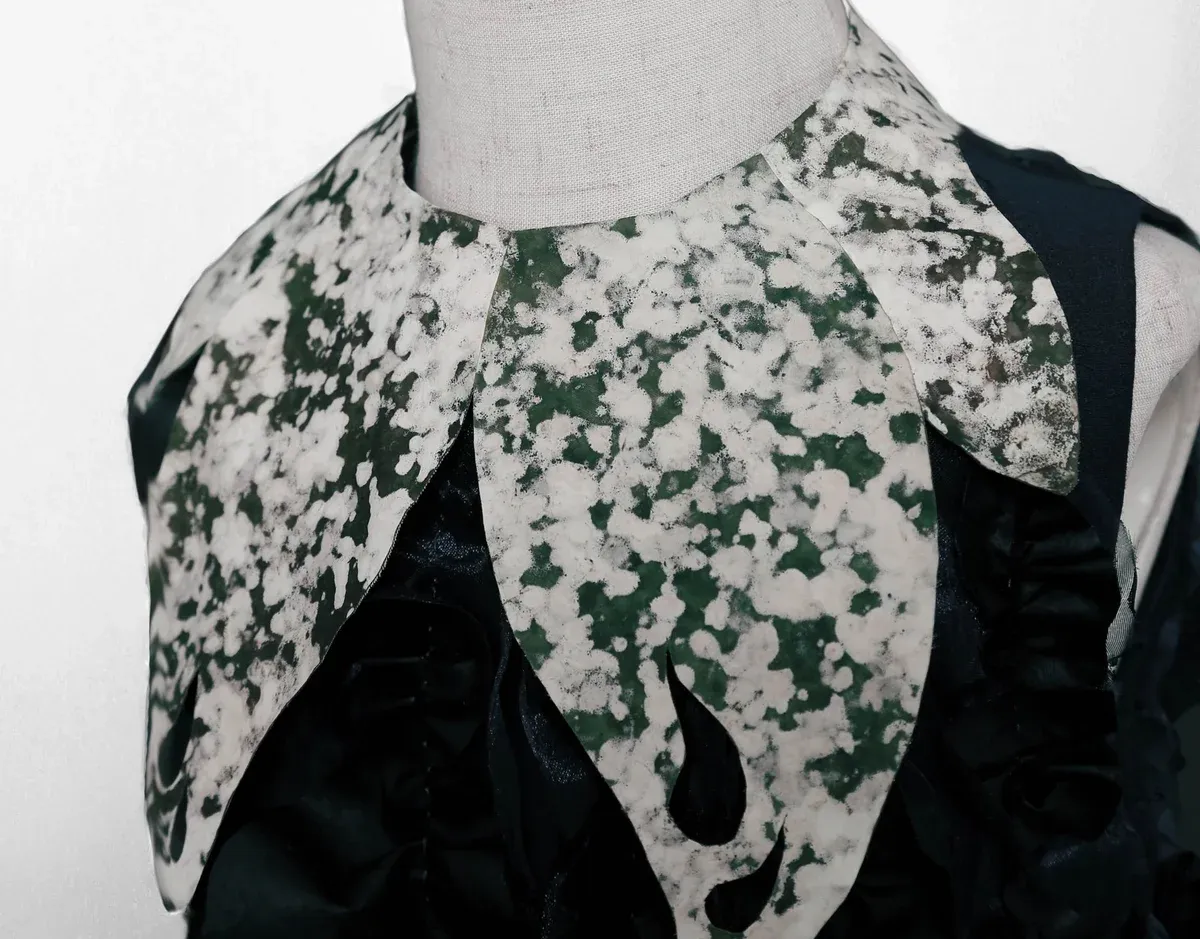
Alive biodegradable textiles can host engineered microbes to change color and add UV protection
A new living-material approach could reshape how brands think about color, protection, and biodegradability in apparel.