
Farage tells Commons standards committee it won’t judge him fairly
In the middle of a high-stakes byelection week, Nigel Farage preemptively attacks the process oversight meant to scrutinize him.
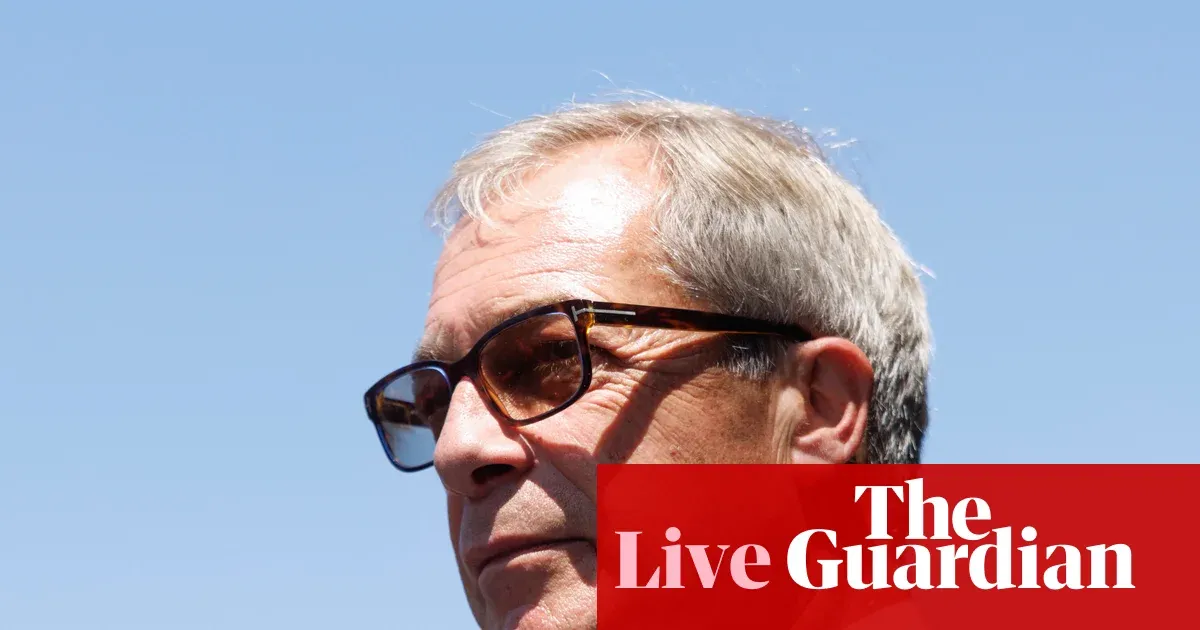
Nigel Farage, the Reform UK leader, launches a preemptive attack on the Commons standards committee and claims it won’t judge him fairly. The consequence is a credibility fight over how parliamentary standards are enforced, even as Labour leadership nomination dynamics move in parallel.
Nigel Farage has launched a preemptive attack on the Commons standards committee, claiming it won’t judge him fairly. In UK politics, that is not just a rhetorical flourish. It is an attempt to get ahead of the outcome of any standards scrutiny, by shaping public expectations before findings are even delivered.
The immediate stake for decision-makers is simple: process matters. When a political leader publicly doubts the fairness of the oversight body, it changes how every subsequent step is received by supporters, critics, media, and, crucially, MPs who might otherwise treat standards enforcement as a neutral rulebook. Farage told the Daily Mail he did not anticipate the main parties would not stand candidates in the Clacton byelection, and the thread connecting these moments is confidence and control. If the mainstream parties are absent in a contest, then the narrative power shifts to the candidate and his coalition. If the standards committee is treated as biased, then any later verdicts risk being framed as political theater rather than accountability.
This is why the standards fight is interesting even beyond the headline. Parliamentary standards committees exist to police behavior and ensure MPs meet expectations set by the system. The Guardian’s live politics coverage frames Farage’s move as preemptive, which matters because it moves the argument away from specific conduct and toward the perceived legitimacy of the adjudicator. In practice, that can lead to a two-track environment where scrutiny is happening, but the public debate is about whether scrutiny should count.
At the same time, another political process is unfolding in plain view: Andy Burnham posted a video confirming that he has nominated himself for Labour leader. Nominations opened this morning. Labour will publish daily updates on how many nominations he has received, and Burnham says people should get the first update at about 7pm tonight. The process is open, and so names of MPs nominating a candidate are published. That detail matters for governance. Open nominations create visibility that can drive coalition-building inside a party, because MPs can be seen backing someone, and the list becomes a signal to both allies and opponents.
Burnham’s campaign is not waiting for vibes either. The coverage notes that Al Carns, the former defence minister, has not been in to nominate himself. Last night, Carns confirmed what everyone else already knew, that he would not be standing as a candidate. Then Burnham reinforced momentum, with the line that “We’ve got to get on with the job,” quoting Al Carns in the context of wanting a leadership contest to allow a proper debate, but not months of internal Labour politics at a time when, as Carns put it, “the country needs” something else.
Put those stories side by side and you see the modern political incentive structure. When oversight bodies like the Commons standards committee are anticipated to scrutinize behavior, leaders can attempt to inoculate themselves by declaring the process unfair in advance. In parallel, leadership nomination contests reward visibility. Publish daily updates, publish nominating MP names, and you create a scoreboard for support. Even without any new rules, those dynamics change how actors behave: Farage tries to control the frame before scrutiny lands, while Labour leadership hopefuls try to control the scoreboard while nominations are still being gathered.
Second-order effects for executives and boards, even far from Westminster, are real. Oversight legitimacy is a form of risk management. If stakeholders believe enforcement is biased, compliance efforts degrade because actors expect outcomes to be predetermined. For organizations that rely on credible governance mechanisms, Farage’s strategy is a reminder that legitimacy is not just about being right. It is also about maintaining trust in who decides.
And for political peers and party operators, the lesson is operational. The Clacton byelection is already becoming a narrative about who chose to stand, and Farage explicitly said he did not anticipate the main parties would not stand candidates there. Now, with his standards committee posture, he is also attempting to shape what any scrutiny will mean. Whether or not the committee ultimately judges him fairly, the preemptive assault raises the temperature now. That can make future findings harder to accept, harder to communicate, and harder for MPs to treat as settled, non-partisan accountability.
This story's Key Insights and Take-aways are locked.
Create a free account to unlock Executive Actions for one credit.
Register to UnlockAlways free for Executives Club members. Join the Club
More in Politics

Glacial collapse, not rain, killed 180 in Nepal's Himalayan flood
The Himalaya's extreme geography hid the true cause of Nepal's catastrophic flood, a glacial collapse that turned a geological battleground into a mass-casualty zone.

Iran’s Esmail Baghaei says Oman talks start shipping via Hormuz, not US talks yet
Temporary route plans with Oman aim to restart commerce while Tehran says Washington dialogue is not on the table.

Standards watchdog opens probe into Reform UK deputy leader Richard Tice over interests
The parliamentary standards commissioner says it began an investigation on 28 July into a possible undeclared interest.