
Fast Retailing’s Q3 surge puts H&M within reach as Uniqlos owner accelerates growth
Strong Q3 sales are set to shift the retail pecking order, with H&M on the edge of losing share.

Fast Retailing, the owner of UNIQLO, is set to overtake H&M after strong Q3 sales. For decision-makers, this matters because it signals momentum in fast fashion and can change how investors and competitors allocate capital.
Fast Retailing is moving faster than the market expects. After strong Q3 sales, Nikkei Asia reports the UNIQLO owner is set to overtake H&M. That is a big statement in retail, where leadership is usually treated like a slow grind, not a sudden shuffle.
The logic is straightforward: if you grow sales meaningfully while a rival’s growth stalls, your share climbs. In this case, Fast Retailing’s Q3 performance is the catalyst, and the consequence is direct, H&M may be overtaken as the scale leader in this category. It is not just a scoreboard issue either. When brand momentum flips, it tends to rewire how suppliers, landlords, and investors think about the next product cycle.
To understand why Q3 can matter so much, remember how apparel chains operate. Fashion is seasonal, but the business behind it is operational. That means inventory planning, supply chain efficiency, and promotions all show up in the same quarter that customers actually buy. If Fast Retailing’s Q3 strength reflects better product-market fit, execution, or both, then it can create a compounding effect. Stores get more confidence for the next assortment, forecasting teams get clearer data, and marketing teams can shift from “avoid discounting” to “increase volume.”
H&M, meanwhile, operates in a world where consumer demand is fickle and margins can swing quickly based on markdowns. When a competitor posts a strong quarter, it often implies that the competitor is either discounting less or converting demand more effectively. Even if H&M still performs fine in absolute terms, it can lose relative position if it sells less than the faster mover. That relative position is what investors track, because it becomes a proxy for long-term market share.
There is also a capital and governance angle. In large retail groups, board-level oversight typically emphasizes sustainable growth and disciplined inventory risk. A quarter of strong sales can be the kind of evidence directors use to justify strategy adjustments, like leaning more heavily into core categories, investing in distribution, or changing how stores and online channels are prioritized. If Fast Retailing’s Q3 results are strong enough to set up an overtake, that gives management a narrative with fewer holes, and it can influence how quickly peers feel pressured to respond.
For context, the fast fashion and apparel industry is not regulated like a bank, but it is still heavily constrained by compliance. Labor standards, product sourcing rules, and environmental reporting expectations shape costs and operating flexibility. Even without diving into country-specific rules, the common reality is that large apparel companies are judged on both performance and policy readiness. When one company accelerates, it can raise expectations across the sector, including from regulators and stakeholders who watch whether supply chains are resilient and responsible.
Then comes the second-order effect that executives should actually care about: competition is not just about who has more stores. It is about who controls the pace. If Fast Retailing is set to overtake H&M, competitors may face strategic pressure to react faster. That could mean changes to merchandising cadence, tighter inventory controls, or a more aggressive approach to retail footprint and e-commerce. Boards may also rethink capital allocation, for example, whether to fund transformation initiatives now, or wait for demand visibility. In apparel, waiting is expensive if the market has already moved.
Finally, there is a messaging effect. When UNIQLO’s owner is widely viewed as overtaking H&M after strong Q3 sales, the story travels beyond financial media. It influences how landlords bid for prime locations, how suppliers negotiate capacity, and how consumers anticipate value. In other words, a quarter can shift a narrative, and a narrative can shape purchasing behavior for the next season.
The stake for everyone in this space is simple: retail leadership tends to attract talent, capital, and momentum. If Fast Retailing keeps converting strong quarters into durable demand, H&M may not just lose share, it may lose time. That is the kind of disadvantage that is hard to recover from once competitors lock in operational advantages.
This story's Key Insights and Take-aways are locked.
Create a free account to unlock Executive Actions for one credit.
Register to UnlockAlways free for Executives Club members. Join the Club
More in Business

AstraZeneca $27B wipeout as Wainua late trial misses cardiovascular target
A failed late-stage heart study triggered a swift market punishment, forcing investors and boards to reset timelines and risk.
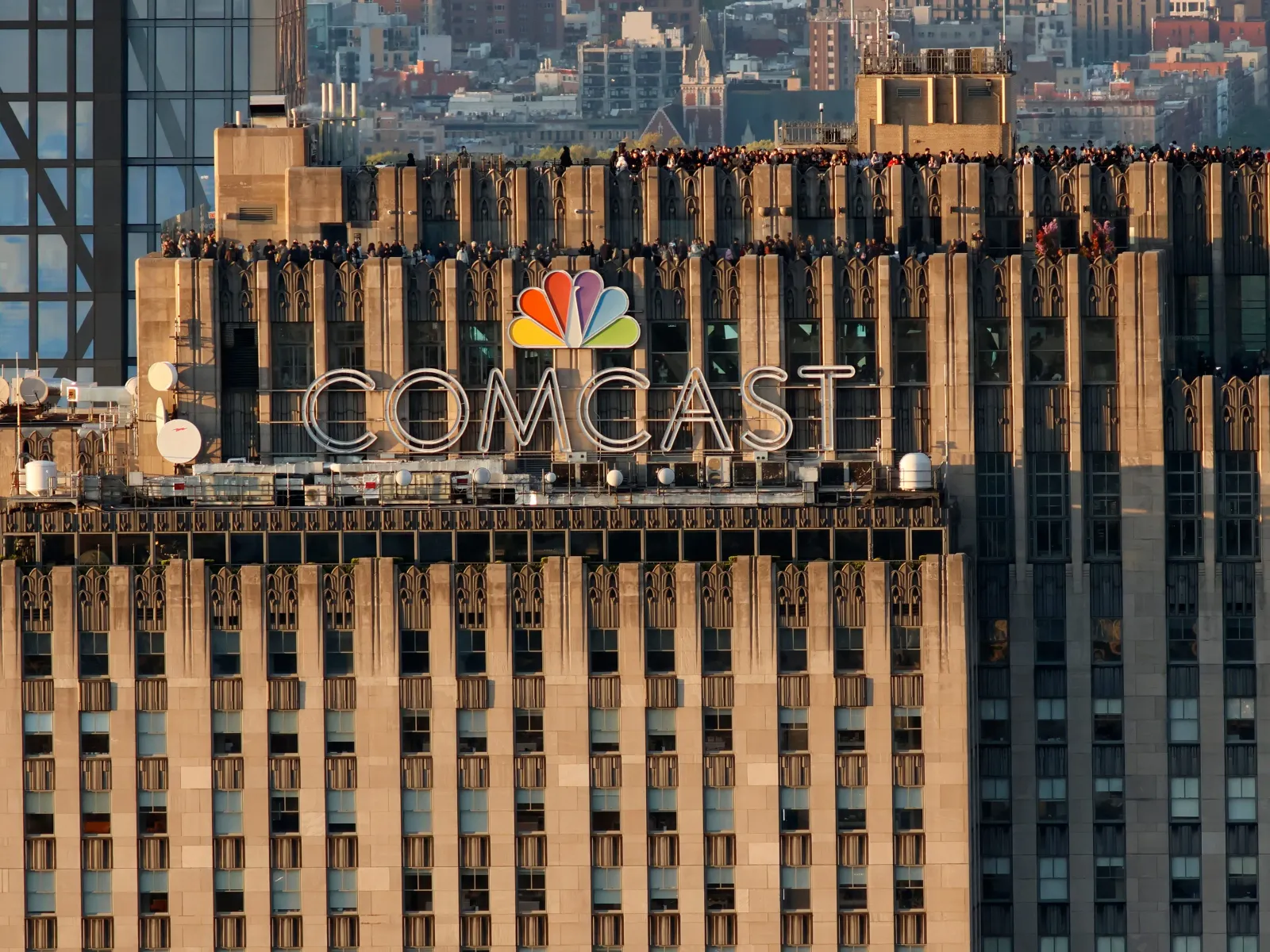
Comcast shares jump 25% as it plans to split NBCUniversal and Sky
The tax-free spin-off could reshape focus, funding, and competition across media and tech for years.

Bungie cuts most Destiny 2 staff as Sony says Marathon still matters
Herman Hulst confirms layoffs affecting most Destiny and some Marathon teams after Bungie admits Destiny fell short.