

FDA links Cyclospora outbreak to Taco Bell shredded lettuce in 5 states, 1,644 cases
CDC warns consumers off lettuce in Indiana, Kentucky, Michigan, Ohio, and West Virginia as FDA targets the implicated Mexico supplier.

FDA says shredded iceberg lettuce served at Taco Bell is linked to Cyclospora cayetanensis infections. The outbreak has reached 1,644 confirmed cases across five states, with FDA testing product samples from a Mexico supplier reportedly named as Taylor Farms.
Health officials have identified shredded iceberg lettuce served at Taco Bell as a contamination source tied to a Cyclospora outbreak that has sickened 1,644 people across five states. Since May 1, there have been 1,644 confirmed cases in Indiana, Kentucky, Ohio, West Virginia, and Michigan, which is currently the hardest-hit state.
In that five-state outbreak, investigators report 94 hospitalizations and no deaths to date. The pattern is blunt: interviews with affected individuals indicated that all 1,644 people with confirmed cases ate Taco Bell in one of the five states before becoming ill, and shredded lettuce appeared to be a common exposure.
What makes this story matter to executives is that it is not just “a food safety headline.” It is a live stress test for operational control, supplier risk management, and regulatory communications, all happening in public. Cyclospora cayetanensis is a protozoan parasite, and infection occurs when someone consumes food or water contaminated with the parasite. Symptoms typically emerge two to 14 days after exposure and can include watery diarrhea, fatigue, cramping, bloating, gas, and loss of appetite. Without treatment, symptoms can last between a few days to a month or more.
Regulators are also drawing a clear line between confirmed outbreak cases and broader surveillance. Health officials are investigating additional cases of Cyclospora infection in the U.S. that have not yet been linked to this lettuce-related outbreak, with total suspected cases over 5,100 per the Centers for Disease Control and Prevention (CDC). This distinction is critical for decision-makers because it changes how companies allocate blame, resources, and corrective actions. It is possible for a company to address one supplier link while regulators keep looking for other exposure pathways.
The FDA portion of the work highlights how outbreaks move from “possible cause” to “pinpoint supplier.” Through its investigation, the FDA identified a single supplier of iceberg lettuce from Mexico that was used by Taco Bell locations where people ate before becoming ill. News reports have named Taylor Farms, a California-based company, as that supplier. FDA’s notice says the agency is working directly with the identified supplier to determine if potentially contaminated shredded iceberg lettuce remains on the market. It adds that FDA and state partners have initiated collection of product samples for testing and analysis.
That supplier-targeting step matters for the boardroom because it is where accountability becomes measurable. The FDA also noted the investigation is ongoing and that additional sources of contamination or affected restaurants could possibly be identified later. In other words, the initial finding may not be the final map. For restaurant operators, franchise networks, and any consumer-facing brand with distributed locations, that creates a cascading management problem: even if not every store received implicated product, executives still need to be able to prove what product went where, and when.
Taco Bell is already aligning its operating response with that regulatory focus. The FDA statement says Taco Bell will stop using lettuce from the implicated supplier, and that not all Taco Bell locations in these states received implicated product. This is the kind of statement that can’t just be marketing-safe. It is a compliance and documentation exercise. If regulators later identify additional restaurants or batches, the difference between a narrowly targeted recall and a broader corrective action can shape liability exposure, customer trust, and future regulatory posture.
Meanwhile, the CDC is warning consumers not to eat shredded iceberg lettuce served at Taco Bell locations in Indiana, Kentucky, Michigan, Ohio, and West Virginia. The article also flags a common issue executives see in outbreak reporting: case counts reported by individual states may differ from FDA’s and CDC’s counts because states may include both probable and confirmed cases. FDA and CDC will update their totals once they can confirm additional cases reported to them. Translation: numbers can shift as classification gets refined, and the company has to be ready for a changing scoreboard.
Finally, the clinical and treatment framing underlines why the response window is short. Cyclospora infection is treated with an antibiotic that blocks the parasite’s ability to multiply. That means early containment and credible public guidance are not just reputation issues; they influence how quickly affected customers seek care and how rapidly new cases slow down.
For peers in operations, risk, and investor relations, the takeaway is simple and uncomfortable: food safety failures now look like supply chain failures, and supply chain failures now look like regulatory investigations you can track in real time. Even when the identified source is “one supplier of iceberg lettuce from Mexico,” executives still have to plan for the “ongoing” part the FDA explicitly calls out. In the meantime, this outbreak is already demonstrating the sequence regulators expect: identify likely food vehicle, connect it to a specific supply channel, sample and test product, issue consumer warnings, and push companies to stop use while the investigation continues.
This story's Key Insights and Take-aways are locked.
Create a free account to unlock Executive Actions for one credit.
Register to UnlockAlways free for Executives Club members. Join the Club
More in Business

Uber buys Delivery Hero for nearly $15B, vaulting to top food delivery outside China
The deal doubles Uber's dual-services footprint and pushes a ride-and-eats bundling play into 50 more markets.

Epic and Google drop settlement bid, forcing rival Android app stores by July 22
Google told the court it is ready to carry third-party app stores starting Wednesday, July 22.
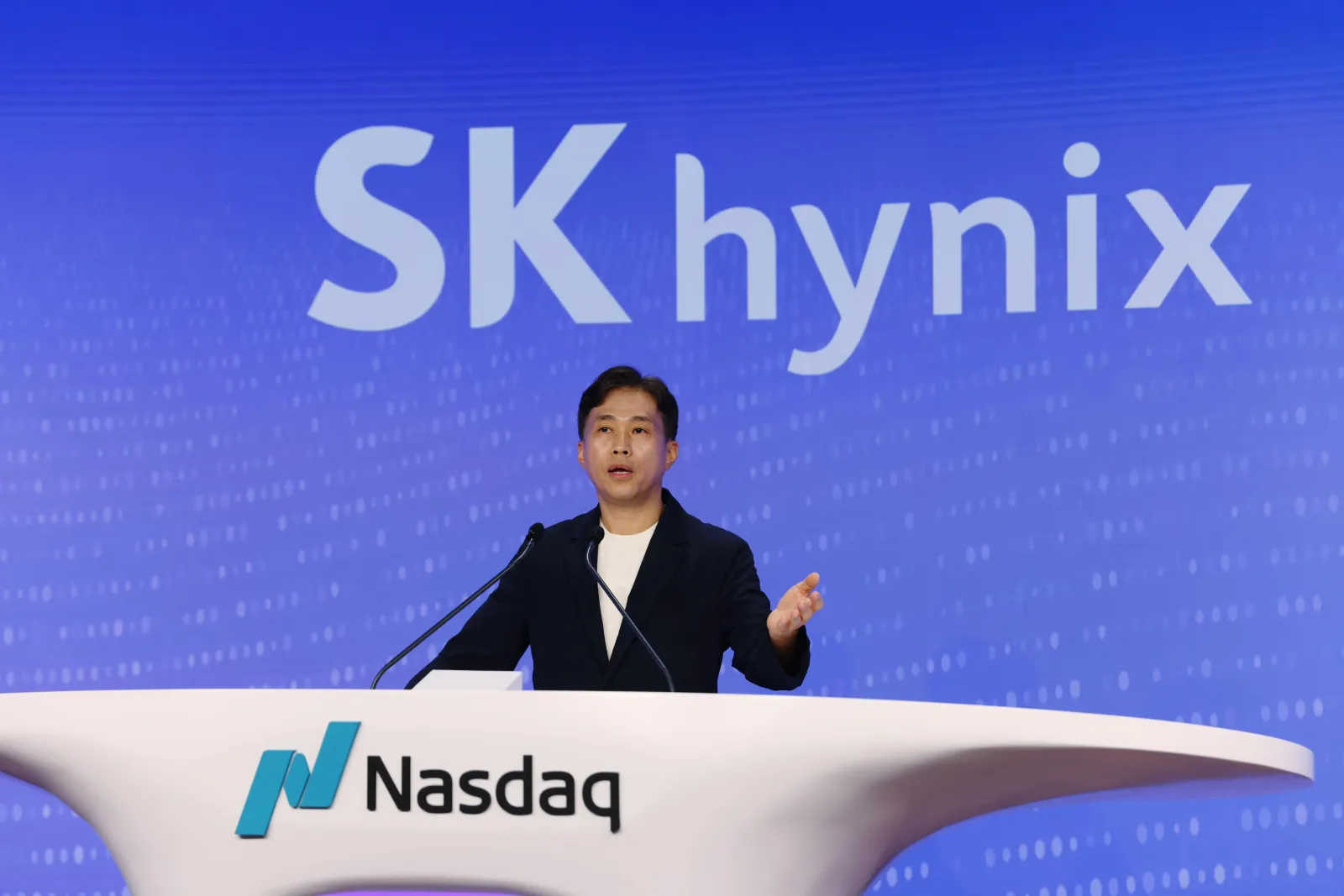
SK Hynix opens at $170, raises $26.5B, and tops foreign IPO records
In Friday's Wall Street debut, SK Hynix turns AI RAM demand into a $26.5B fundraising moment that rewrites comps.