

FDA panel reviews BPC-157 and TB-500 compounds July 23-24, and telehealth is bracing
If compounding wellness peptides goes legal, the next multibillion-dollar telehealth play could shift from gray-market supply to licensed channels.
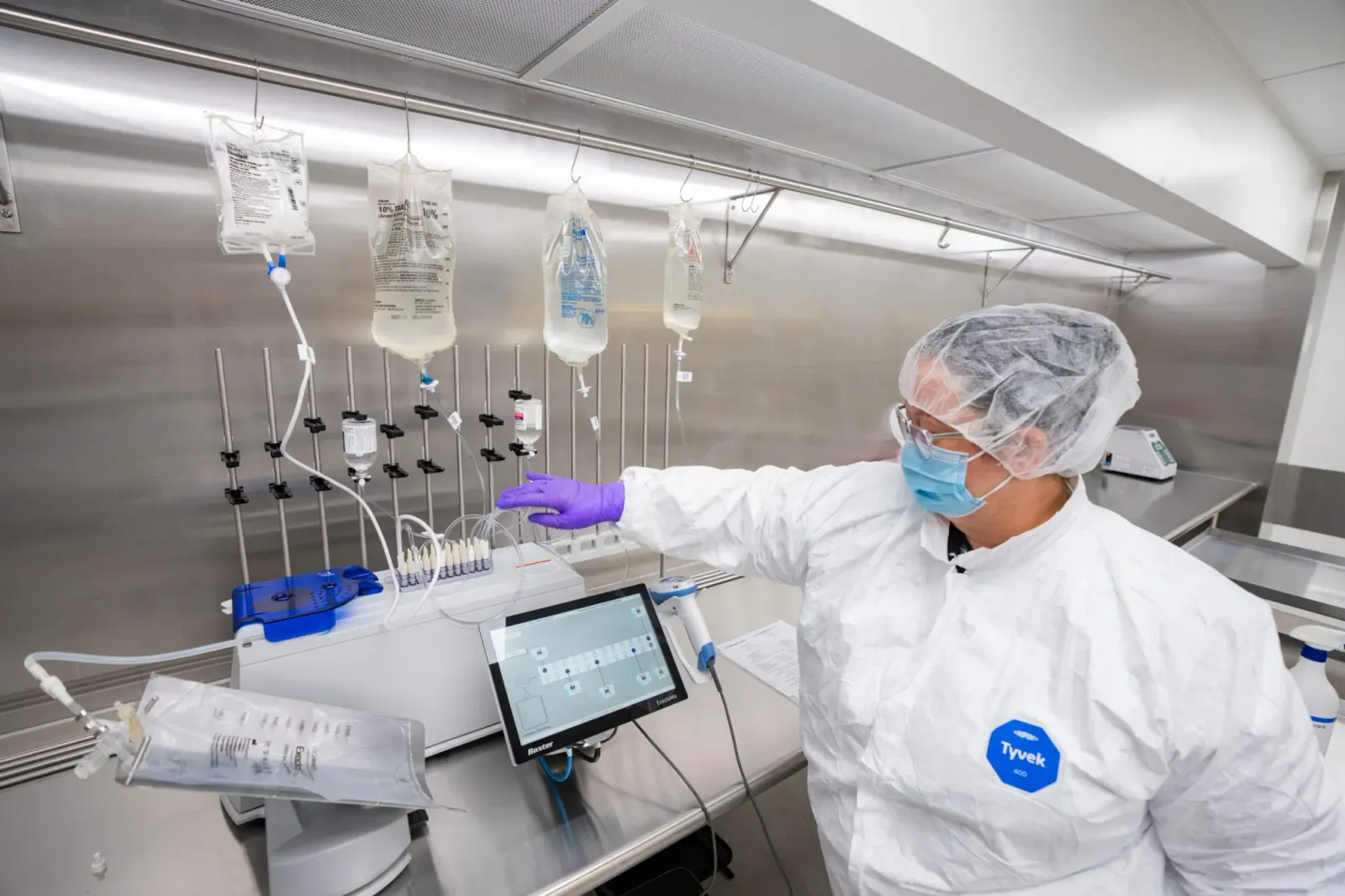
The FDA’s compounding advisory committee will review seven peptides, including BPC-157 and TB-500, on July 23 and 24. For telehealth leaders and investors, the decision could determine whether demand moves into regulated, doctor-led systems or stays in the gray market.
The FDA is about to decide whether “wellness peptides” can be legally compounded by specialty pharmacies, and telehealth platforms are already acting like the next GLP-1-style gold rush is one vote away. On July 23 and 24, the agency's compounding advisory committee will review seven peptides, including BPC-157 and TB-500, to determine whether they can be approved for possible legal mixing by specialty pharmacies.
This matters because the telehealth ecosystem that helped build the GLP-1 boom runs on supply chains and compliance, not vibes. Companies that grew by offering pharmacy-mixed versions of weight loss drugs are preparing for a repeat, with an even messier scientific backdrop. The wrinkle, as multiple telehealth operators and investors in the piece emphasize, is that peptide users often stack multiple compounds at once, and there is basically no long-term safety data on those combinations. That makes the “legal compounding” question feel less like a paperwork exercise and more like a future risk and revenue decision all at once.
Start with Hims & Hers, one of telehealth’s biggest growth engines from the last few years. The company built a real business on cheaper, pharmacy-mixed versions of Ozempic and Wegovy, then watched the market get squeezed once the FDA declared the supply shortage over and later proposed excluding those drugs from the pharmacy compounding list. A final decision was pushed to July 30, and the company’s stock got hammered several times, pushing it to diversify its offerings. Now peptides are poised to be the next leg, and Hims chief medical officer Dr. Anant Vinjamoori will be testifying at the FDA hearing on Thursday, the company confirmed. In an April statement, Hims said it was exploring expanding access to peptides and “believes certain peptide therapies hold meaningful potential in helping Americans live healthier lives.”
If you’re an operator or board member, the important detail is not just that people want peptides. It is how telehealth makes money while navigating FDA boundaries. Wheel CEO Michelle Davey tells Fortune that she expects big telehealth players will move quickly once peptides get the green light, sourcing from vetted, accountable pharmacies. In her view, regulators and legitimate operators have to offer something different from the gray-market supply chain that has fueled the peptide craze.
Davey points to Needham research that sizes the addressable peptide market, including gray-market use, GLP-1 add-ons, and general health-optimization peptides, at roughly $30 billion. That is the ceiling the industry is chasing, but peptides are not the same as GLP-1s. The dosing pattern is different, and the evidence is thinner. Many of the popular peptides have never gone through large, controlled human trials and are sold as “research chemicals” outside normal drug-approval channels. Stack enough of those uncertainties together, and suddenly the question for decision-makers becomes: who can build a scalable, licensable business in a world where the science is still catching up?
The expectation inside telehealth is that a legal shift would unleash a wave of imitators. Davey’s forecast for the next year is blunt: expect a flood of copycat telehealth sites launching peptide “programs” the same way more than 80 founders with Shopify accounts launched GLP-1 clinics by late 2024. Then, over roughly six months, the well-funded platforms will out-compete fly-by-night operators on price and credibility, and smaller players will either get bought or die. That is the second-order effect for investors: a regulatory green light could increase competition quickly, but it could also force the market to consolidate around companies with compliance muscle and supply discipline.
Torch Capital founder and managing partner Jon Keidan sees the same dynamic coming, and he frames it as a compliance game, not a marketing game. He says, “Everyone wins when there's compliance,” arguing that consumers get products that are actually what the label says, sterile and verified and correctly dosed; legitimate operators get a durable, licensable business instead of a marketing trick that a single crackdown can erase; and regulators get demand flowing through channels they can monitor. His read on the FDA vote is simple: whichever way the advisory committee goes, the demand doesn’t go away. The real fight is whether it flows through a regulated, doctor-led system or stays in the gray market.
So, if you are a founder, investor, or operator in the telehealth ecosystem, the strategic stakes are immediate. The FDA advisory committee meeting on July 23 and 24 is not just a yes-or-no about compounding. It is a referendum on whether the next multibillion-dollar market gets built with accountability attached. And given how quickly the GLP-1 compounding pathway tightened for players like Hims & Hers, the teams watching this vote are not just asking whether peptides can be legal. They are asking whether they can be made durable.
This story's Key Insights and Take-aways are locked.
Create a free account to unlock Executive Actions for one credit.
Register to UnlockAlways free for Executives Club members. Join the Club
More in Business

Uber buys Delivery Hero for nearly $15B, vaulting to top food delivery outside China
The deal doubles Uber's dual-services footprint and pushes a ride-and-eats bundling play into 50 more markets.

Epic and Google drop settlement bid, forcing rival Android app stores by July 22
Google told the court it is ready to carry third-party app stores starting Wednesday, July 22.
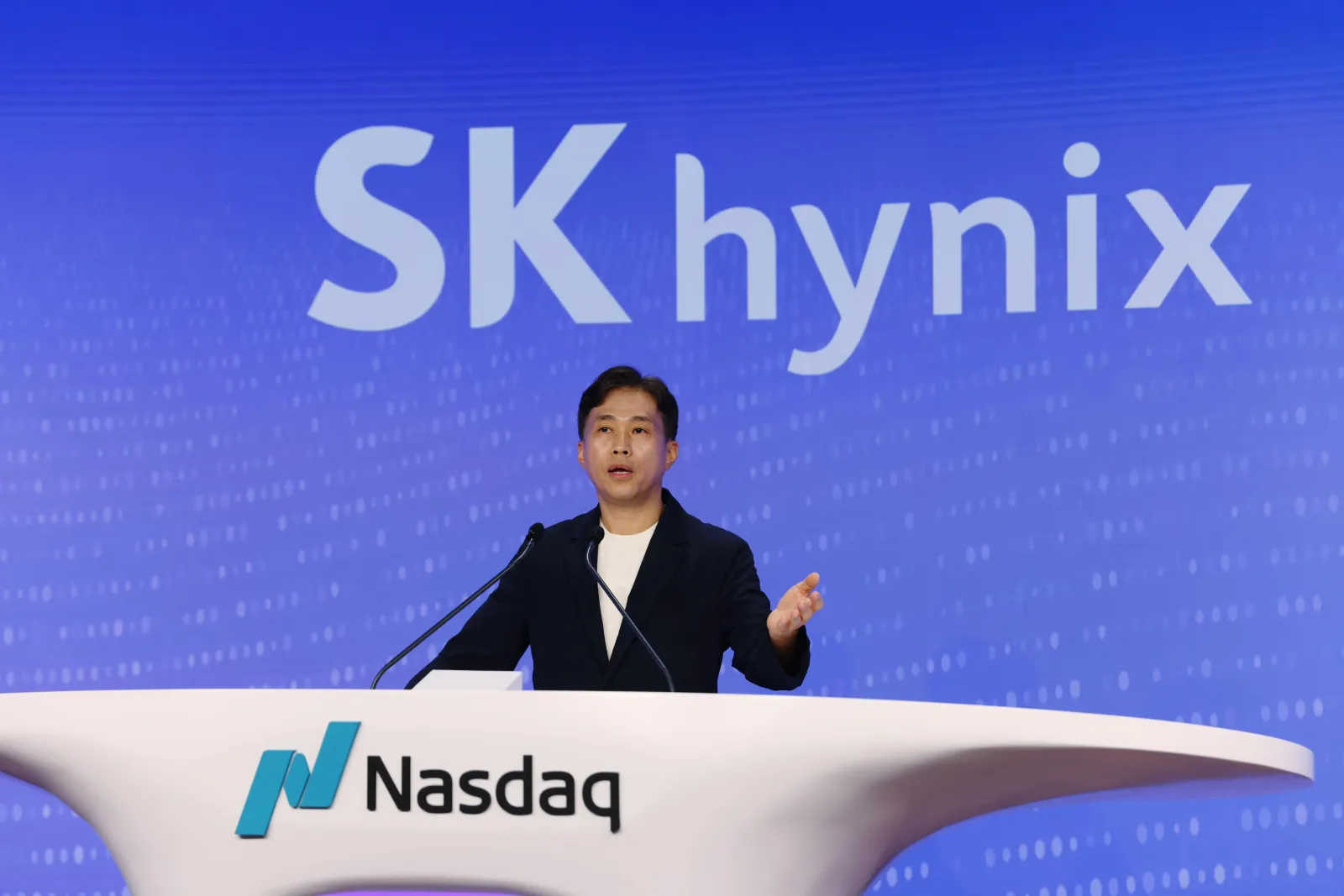
SK Hynix opens at $170, raises $26.5B, and tops foreign IPO records
In Friday's Wall Street debut, SK Hynix turns AI RAM demand into a $26.5B fundraising moment that rewrites comps.