

FDA picks Eli Lilly and Regeneron for PreCheck Pilot to speed manufacturing reviews
The PreCheck Pilot brings seven early adopters into a faster FDA path for new manufacturing facilities, changing the timeline games.
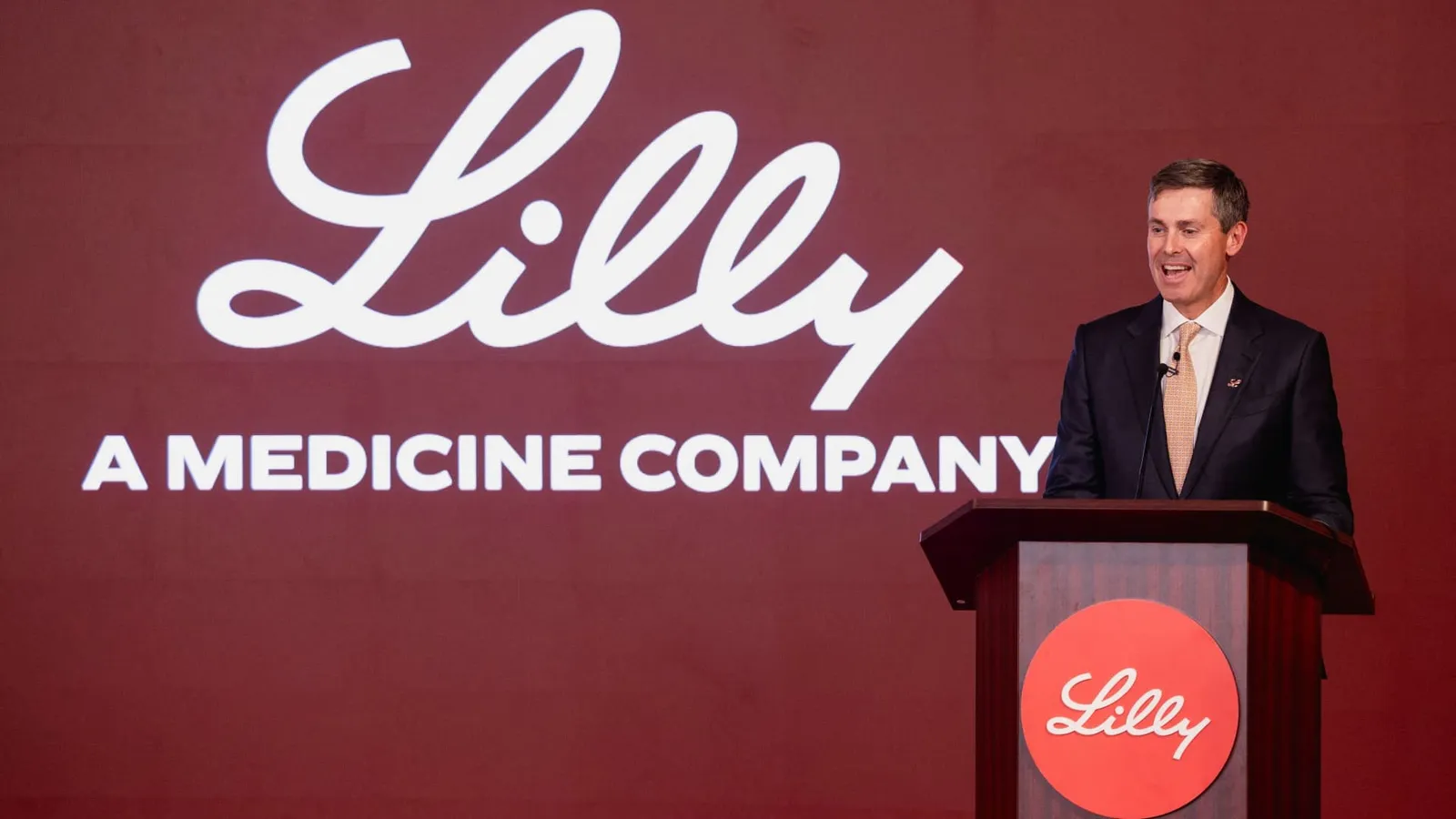
Eli Lilly and Regeneron are among the first seven companies selected by the FDA for its PreCheck Pilot Program for new manufacturing facilities. For decision-makers, the pilot signals a push to compress regulatory timelines, which can swing launch and supply planning outcomes.
Eli Lilly and Regeneron have been selected for the FDA's PreCheck Pilot Program, CNBC has learned, as the regulator names the first seven companies to participate. The headline that matters for operators is simple: the FDA is piloting a faster review approach for new manufacturing facilities, and these two big pharma players are in the first group.
For executives trying to plan around “how long until approval,” that selection is more than a press-release trophy. PreCheck is aimed at speed, and manufacturing facilities are often where schedules get stuck. If the program does what it promises, it can reduce waiting time between when a facility is ready and when regulatory review clears it for production. In practical terms, that can influence when companies can ramp supply, lock in internal manufacturing roadmaps, and manage customer and distributor expectations without constantly moving goalposts.
To understand why the FDA’s pilot matters, you have to zoom out to how manufacturing oversight works in the U.S. Drug production is not one-and-done. Facilities evolve, companies add capacity, and new manufacturing sites come online to support future demand or replace constrained supply. That means regulatory review becomes a recurring operational risk, not a one-time hurdle. The more predictable the review path, the easier it is to plan capital spend, hiring, and production schedules.
This is also where the pilot’s “first seven companies” framing becomes strategically interesting. Being early in a regulatory initiative can position a company to learn the process faster, align internal documentation and quality systems to what reviewers look for, and build institutional familiarity with how the FDA runs the program. Even if the program is “a pilot,” early participants can gain leverage in readiness. Their teams can treat the pilot like a structured rehearsal: tighten the inputs, run checks before submission, and reduce the odds of avoidable back-and-forth that slows timelines.
Regeneron and Eli Lilly are both major names in biologics, a category where manufacturing quality and consistency are especially scrutinized. When you are dealing with complex production, the review is often deeply tied to facility controls, documentation, and the ability to demonstrate that the process is robust. A facility review speed initiative, therefore, has outsized implications. It does not just affect administrative timing. It affects the operational rhythm of bringing capacity online.
There is another board-level angle, too: timelines and execution discipline show up in budgets. A slower manufacturing review can push production schedules, which can ripple into inventory decisions, procurement timing, and downstream commitments. Faster reviews can ease those pressure points. For CFOs and strategy leads, that can mean fewer emergency adjustments and less uncertainty premium baked into planning.
That said, pilots also highlight a reality: regulatory change takes time, and outcomes can vary by application and facility. The key is that the FDA is not just talking about modernization. CNBC has learned the regulator has already selected early companies for PreCheck, meaning this is an active process, not an abstract concept. For executives at peers who are not in the first seven, the immediate takeaway is to pay attention to how the pilot is operationalized, because it will likely influence what “good submission readiness” looks like.
Finally, the strategic stakes extend beyond Lilly and Regeneron. If PreCheck accelerates review for new manufacturing facilities, it can shift competitive dynamics in periods where supply capacity and production timing matter. Companies that can bring manufacturing capacity online faster may be better positioned to meet demand, protect supply reliability, and reduce the operational drag that can delay launches or continuity of supply. In other words, this is a timeline story with real business consequences, and the FDA has started moving on it, with Lilly and Regeneron among the first on deck.
This story's Key Insights and Take-aways are locked.
Create a free account to unlock Executive Actions for one credit.
Register to UnlockAlways free for Executives Club members. Join the Club
More in Business

Comcast shares jump 25% as it plans to split NBCUniversal and Sky
The tax-free spin-off could reshape focus, funding, and competition across media and tech for years.

Bungie cuts most Destiny 2 staff as Sony says Marathon still matters
Herman Hulst confirms layoffs affecting most Destiny and some Marathon teams after Bungie admits Destiny fell short.

SK Hynix jumps 11% after seeking up to $29.4B in Nasdaq listing
The chip giant filed for a Nasdaq listing plan that could raise $29.4 billion, instantly reshaping investor expectations.