

FDA tied Taco Bell cyclosporiasis to Taylor Farms shredded lettuce, 1,644 cases
The outbreak now has a specific food trace: shredded iceberg lettuce tied to five states, plus 34-state spread.
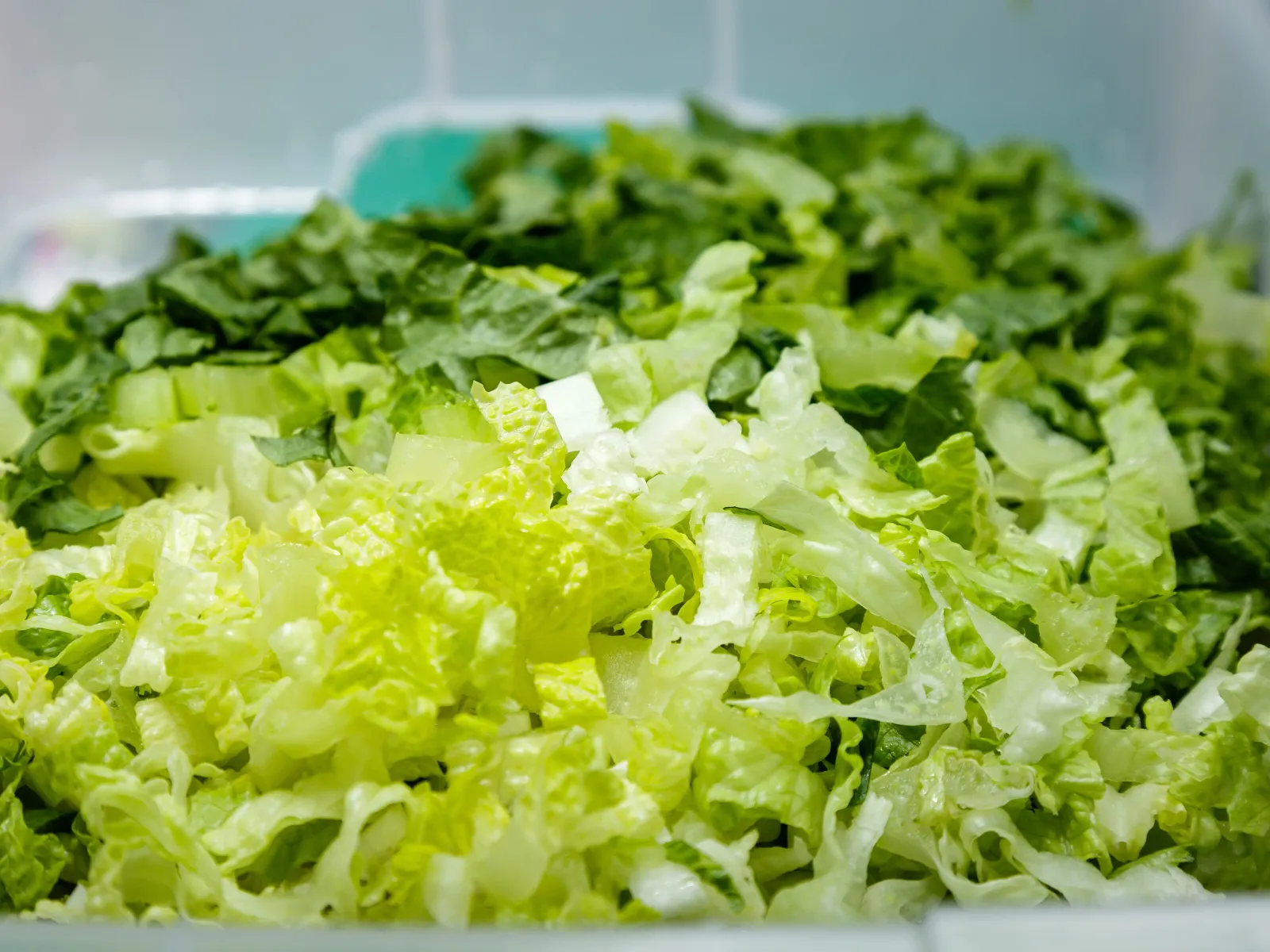
The FDA has linked shredded lettuce served at Taco Bell restaurants to the cyclosporiasis outbreak, traced to Taylor Farms and a single supplier of iceberg lettuce in Mexico. For decision-makers, it turns a diffuse foodborne story into a traceable supply-chain and regulatory risk you can quantify.
The FDA linked shredded lettuce sold at Taco Bell to an ongoing cyclosporiasis outbreak, and the traceback is concrete: 1,644 confirmed cases tied to shredded iceberg lettuce supplied by Taylor Farms and served in Indiana, Kentucky, Michigan, Ohio, and West Virginia. That is not a vague “possible source” anymore. It is a named ingredient, a named supplier, and a defined geography.
This matters because the numbers keep climbing while the investigation expands. Across the US, Cyclospora infections have spread across 34 states since May 1, according to the Centers for Disease Control and Prevention. As of July 13, the CDC had confirmed 1,645 cases and 141 hospitalizations, with no confirmed deaths, while Michigan alone reported more than 4,300 cases. And the FDA is still widening the net, with a Monday note that Michigan’s investigation is pointing to “lettuce or salad greens” as a potential source of contamination.
So how did “watery diarrhea everywhere” become “shredded iceberg from a specific supply line”? According to a person familiar with the matter cited by Business Insider, the FDA traced the shredded lettuce served at Taco Bell locations back to a single supplier of iceberg lettuce in Mexico. Taylor Farms is the processor and supplier in the middle, and the recall and removal actions now revolve around that link. Specifically, shredded lettuce supplied by Taylor Farms and served at Taco Bell locations in those five states was responsible for 1,644 confirmed cyclosporiasis cases.
Here is the operational catch: the “confirmed cases” headline number is only the tip. The true number of people who have been sickened is likely much higher, and the outbreak goes beyond Taco Bell’s shredded lettuce supply. Cyclosporiasis can take about a week to incubate, so patients can show up after the meal is long forgotten. Symptoms also overlap with other gastrointestinal illnesses, and the traceback process is complicated by Cyclospora’s complex genetics compared with pathogens like E. coli or salmonella, which makes attribution harder. That is why these outbreaks are “notoriously hard to pin down,” even when investigators eventually land on a plausible food item.
Taco Bell’s response shows how quickly brands are expected to move once public health officials lean in. On Thursday night, Taco Bell said that “based on ongoing conversations with public health officials, and out of an abundance of caution, Taco Bell has taken immediate action to voluntarily remove potentially impacted lettuce from a supplier in select states.” The affected ingredient from its supplier is being indefinitely removed from its supply chain nationwide and replaced within 24 hours in select states. That combination is a classic containment play: stop the flow quickly where harm is documented, while also removing product broadly to manage the uncertainty that comes with incubation delays and imperfect identification.
Taylor Farms is one of the biggest names in the lettuce supply chain, serving restaurants, fast food chains, and grocery stores. The company is described as the biggest producer of salad greens in North America and as operating 30 processing facilities across North America. It supplies Taco Bell among many others, which means executives should assume the risk does not stay neatly inside one brand relationship. It is unclear whether this particular outbreak is limited to Taylor Farms chopped lettuces only or includes other products and brands. As of Thursday evening, Taylor Farms’ product recall page listed “no active product recalls” for any Taylor Farms products, and the company did not respond to multiple requests for comment about cyclospora contamination from Business Insider.
For consumers and for boards, the “how do we prevent this next” question matters as much as the “what caused this” answer. Health experts have recommended avoiding bagged lettuce and salads until the outbreak is over, choosing whole heads of lettuce, removing the outer layer of leaves, and washing all produce thoroughly. But there is no surefire way to wash Cyclospora off produce, so the safest alternative is to cook foods to at least 158 degrees Fahrenheit. That is a practical reminder: washing is not a guaranteed shield against parasites that can be embedded in or protected by the way produce is handled and exposed.
Regulators and researchers also point to where contamination may enter the supply chain. Amira Roess, a professor of global health and epidemiology at George Mason University and former CDC “disease detective,” said it is possible contamination could have been introduced when produce was washed at production facilities or at the farm. “Typically, it’s the contaminated water that is leading to the contaminated produce,” she said. “In this country, our drinking water is generally not contaminated with parasites. But what is contaminated with parasites is the produce that is exposed to the environmental waters that are contaminated.” In other words, this is not only a “bad batch” problem. It can be an upstream water exposure and handling issue that compliance teams need to treat as a system-level risk.
Finally, executives should treat this as a supply-chain continuity story, not just a food safety story. Taylor Farms has been involved with other food recalls over the past few years, including a 2024 recall of yellow onions sent to McDonald’s restaurants over potential E. coli contamination, which the CDC said killed one person and sickened over 100 others across over a dozen states. The company was also connected to a 2020 onion recall tied to salmonella sold at Kroger and Walmart. Business Insider also notes recalls involving mislabeled products and, last year, salad kits that did not disclose soy and sesame, according to the FDA. When companies have multiple prior recall themes, boards should expect regulators, auditors, and partners to ask sharper questions about controls, traceability, and whether corrective actions fully addressed root causes.
The seasonality angle raises the stakes further. Gwen Biggerstaff, the CDC’s Deputy Director of foodborne, waterborne, and environmental diseases, said Tuesday that “we anticipate continuing to see cases increase possibly through the end of August, which is the end of the cyclosporiasis season.” For peers who rely on high-volume processed produce, the message is blunt: once a parasite outbreak identifies a specific ingredient and supplier path, the operational and reputational consequences arrive fast, and the case count may still be climbing.
This story's Key Insights and Take-aways are locked.
Create a free account to unlock Executive Actions for one credit.
Register to UnlockAlways free for Executives Club members. Join the Club
More in Entertainment

Avatar returns July 21, forcing investors to reprice the Cameron wait for 4th film
The franchise lands a concrete date, while the fourth mainline Avatar still has unanswered questions for 2029 planning.

BTS drops “NORMAL” on Spotify for 48 hours, then targets pop radio July 27
The new wintry “NORMAL” video, directed by Tanu Muino, lands before a pop-radio push and major live dates at MetLife.

God of War show recasts Kratos after Ryan Hurst biceps tear derails filming timeline
Amazon MGM and Sony Pictures say recovery timing made the mid-August plan impossible, pushing shooting back to mid-October 2026.