
Felipe is rescued in I’m Not Afraid, but Miguel gets shot in the final moments
Netflix’s Mexican 1986 mystery ends with Felipe saved, Miguel injured, and the story refusing to say which survives.
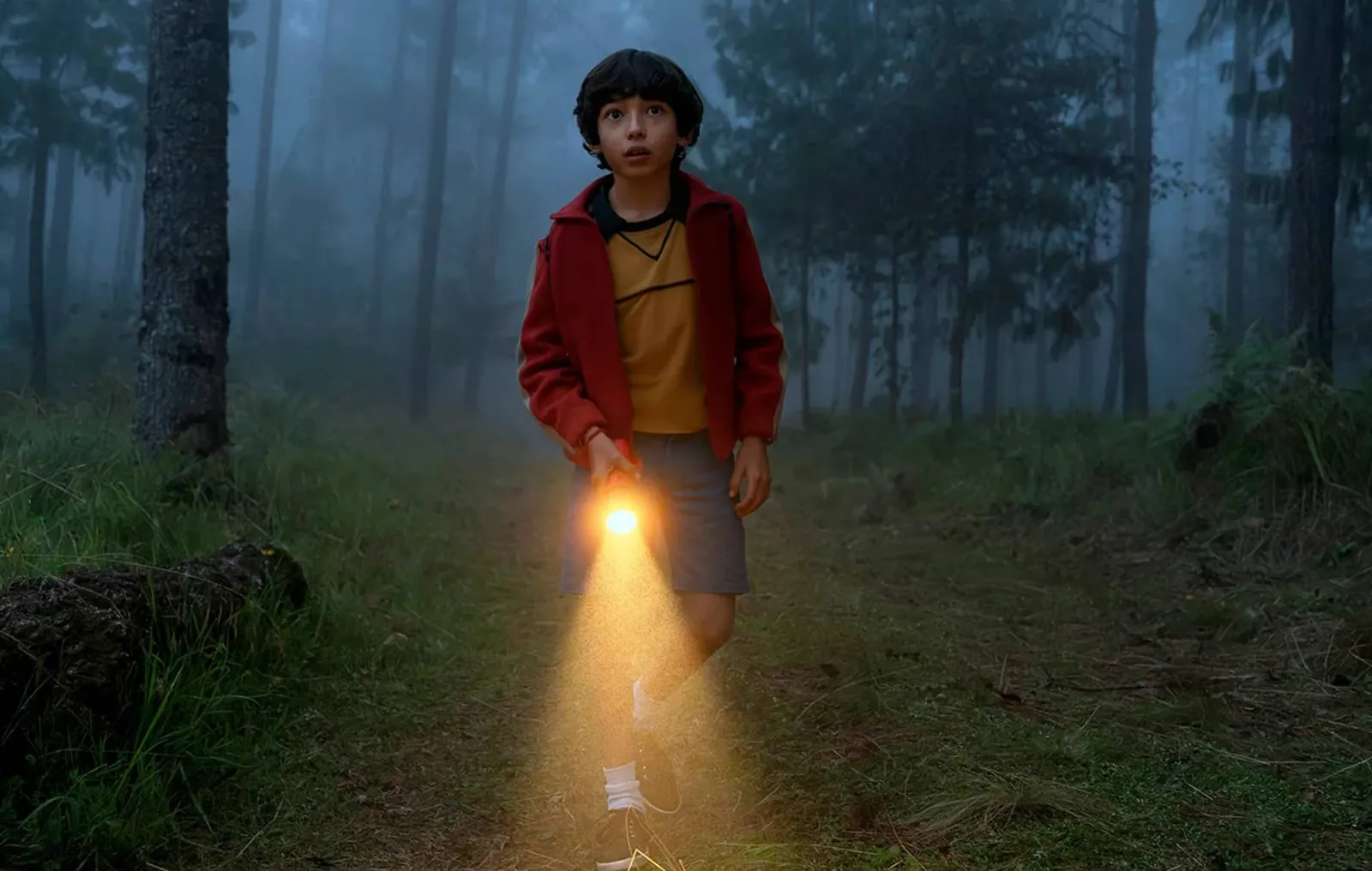
In Netflix’s limited series I’m Not Afraid (No Tengo Miedo), Miguel and his friends rescue Felipe after a village kidnapping plot spirals out of control. The finale leaves Miguel’s fate ambiguous while the narration hints at a possible survival arc.
I’m Not Afraid is streaming on Netflix now, and yes, Felipe is rescued by the end. But the show makes sure you do not get a clean victory lap. In the finale, the kids manage to free Felipe, yet Miguel is the one hit by gunfire when the adults decide evidence must be destroyed.
So the real ending question is not “is Felipe saved?” It is “what did it cost, and who gets to walk away?” Felipe survives long enough for helicopters to arrive overhead and for the story to land on Miguel’s line, “I’m not afraid,” while the series does not explicitly confirm whether Miguel lives or dies. The continued narration, however, suggests Miguel may be recounting what happened from the future.
If you are trying to place this emotionally, set the scene the way the series does: a remote rural village in Veracruz during the summer of 1986, when Mexico hosts the World Cup. Directed by Ernesto Contreras, Alba Gil and Alejandro Zuno, the limited series is based on Niccolò Ammaniti’s novel No Tengo Miedo. The central character is Miguel, a 10-year-old boy whose life is turned upside down after he discovers Felipe chained at the bottom of a hidden hole.
From there, the plot operates like a slow-burn incentive problem. Miguel thinks the threat is “somewhere else” at first, but the kidnapping is carried out by adults from the village, including people close to Miguel’s own family. And the reason matters. The scheme is born out of poverty and desperation after the local coffee industry collapses, leaving the village struggling. In other words: the show ties human decision-making to economic collapse, not abstract evil.
The kidnapping machinery starts at the so-called Witch’s House, where Felipe is kept in the hole Miguel first finds. Later, the adults move Felipe to Esmeralda Farm as they try to cover their tracks. The plan does not work as intended because it relies on a simple assumption: Felipe’s father, Emilio, has the money they expect for ransom. When the kidnappers discover Emilio does not have that money, the scheme falls apart, and their response escalates from coercion to liquidation.
The finale closes the loop on that escalation. By the end, Miguel and his friends decide to do what the adults have failed to do: rescue Felipe themselves. They steal Félix’s truck keys, head into the forest, and go after the people who are holding Felipe. Margarita tips off the authorities, so police begin closing in, but that does not slow the last move by Rodrigo. Instead, Rodrigo decides the only way to destroy the evidence is to kill Felipe. He catches up with the children and fires his gun, but Miguel is hit instead.
Then comes the final image that does the show’s biggest negotiating with your brain. Felipe stays with Miguel in the moments before the end, helicopters arrive overhead, and Pino holds his injured son while begging him not to forget him. Miguel repeats the words that give the series its title: “I’m not afraid.” What the series does not do is provide a direct, explicit confirmation of Miguel’s fate. However, the continued narration suggests he may survive and be recounting the story from the future.
Why this ending matters beyond the plot is how it reframes control. The adults begin with authority, fear, and a belief they can manage outcomes. The children end up acting under threat, using timing and improvisation, and forcing the adults’ plan to collapse. For executives and operators thinking about why audiences come back to limited series, the mechanism is relevant: the story pays off its mystery with action, then withholds a final bureaucratic confirmation (Miguel lives or dies) long enough to keep viewers emotionally invested.
For decision-makers in media, that is the tension. Netflix launched I’m Not Afraid on July 8 with all six episodes available to stream, which changes the viewing psychology from “wait week to week” to “binging until the answer lands.” And here, the answer lands partially. Felipe is rescued. Miguel is shot. The show refuses a definitive stamp of survival, but it signals one. That combination, grounded in the series’ own narration, is a reminder that the strongest cliffhangers are not random. They are built from incentives, desperation, and a cost paid in full.
This story's Key Insights and Take-aways are locked.
Create a free account to unlock Executive Actions for one credit.
Register to UnlockAlways free for Executives Club members. Join the Club
More in Entertainment
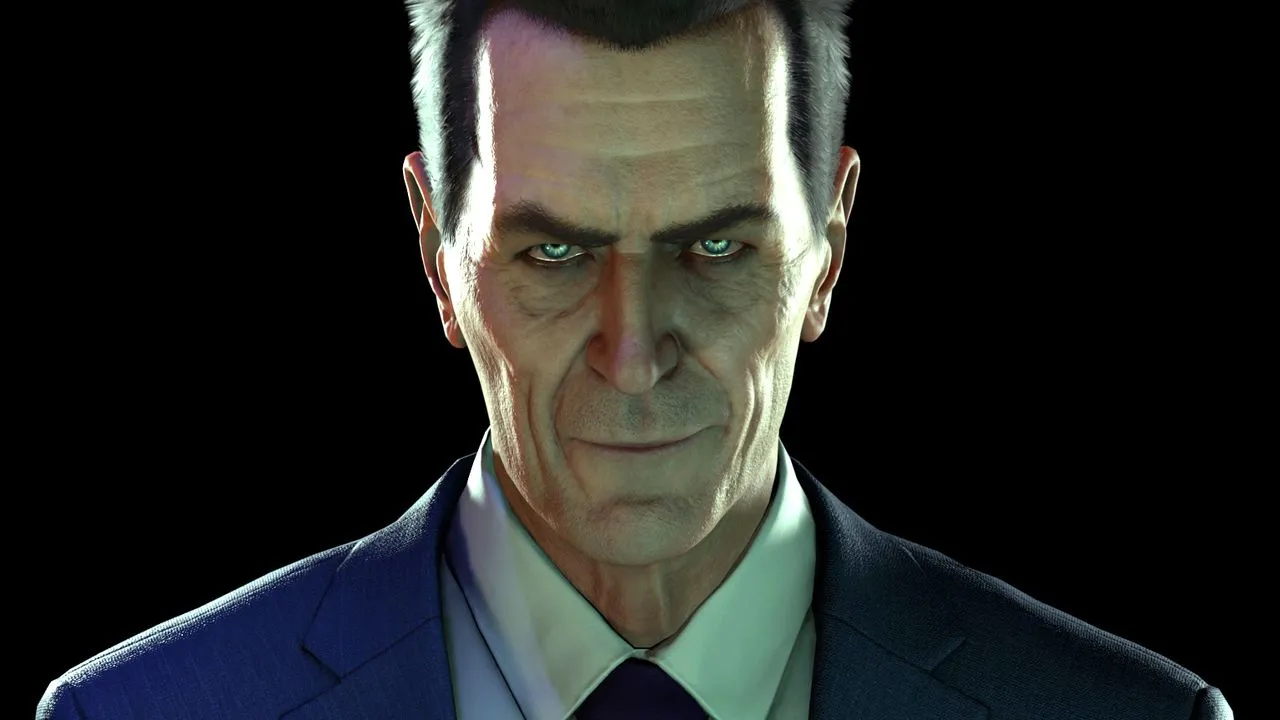
12TB Steam 'teraleak' goes beyond Valve: GTA 3, Mafia 2 prototypes exposed
A 12-terabyte dump of Steam data reveals prototypes and builds of third-party classics like GTA 3 and Mafia 2, plus unreleased Valve content, rewriting game history.

LinkedIn's romance problem: 1 in 4 workers say dating on it is fair game
A new survey shows a quarter of U.S. employees treat the professional network as fair game for romance, even as LinkedIn bans it and removes hundreds of thousands of offending posts.

Enhypen's first No. 1 album breaks K-pop's Billboard 200 streak
The K-pop group's 98,000-unit debut tops the chart while Dolly Parton's catalog reentry shows how death reshapes streaming.