

Fetterman and McCormick back Common Ground PA, filing a bipartisan joint fundraising PAC
Pennsylvania’s two senators team up across party lines, creating Common Ground PA ahead of 2026 and 2028.
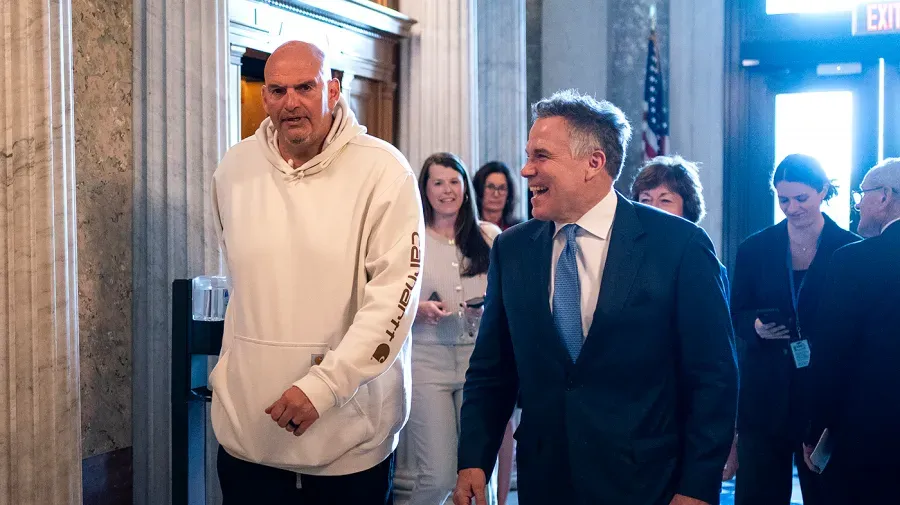
Sen. John Fetterman (D-Pa.) and Sen. David McCormick (R-Pa.) have launched a rare bipartisan joint fundraising committee. They filed a new political action committee, Common Ground PA, with the Federal Election Commission earlier this week.
Pennsylvania’s Sen. John Fetterman and Sen. David McCormick are doing something you do not see every cycle: forming a joint fundraising effort across party lines. Earlier this week, they filed a new political action committee called Common Ground PA with the Federal Election Commission.
In practical terms, this is a long-range money operation aimed at the next major battleground stretch: the 2026 midterms and the 2028 election cycle. The key detail is that the PAC is sponsored by Fetterman and McCormick, the two senators representing Pennsylvania from opposite parties, but choosing to coordinate fundraising together now rather than waiting for a single election sprint.
If you are an executive, investor, or operator watching political risk, this kind of bipartisan packaging matters because it changes who gets pulled into the funding orbit. Joint committees can broaden the pool of donors that feel comfortable giving when they know at least one major elected figure is aligned with their issue goals, not just their party brand. That can translate into a different mix of donor priorities, and a different set of relationships that follow those dollars through committee hearings, agency decisions, and state-level policy fights.
It also highlights how political fundraising has become less about raw “party loyalty” and more about coalition building, even in polarized environments. Fetterman and McCormick may sit on opposite sides ideologically, but fundraising is one of the few places where incentives align around operational goals: build visibility, lock in cash flow early, and keep fundraising infrastructure warm across multiple election seasons. Timing is the quiet power move here. Filing with the FEC earlier this week signals they want this structure ready before the next funding push and not as an afterthought once campaigns start sprinting.
Now, a quick regulatory frame, because the filing is not just paperwork theater. The Federal Election Commission is the regulator that oversees campaign finance rules for federal political activity. When a political action committee is filed and recognized, it becomes part of a system with compliance obligations. That includes disclosure and limits structured around federal election rules. Those rules do not eliminate influence, but they force transactions into the open and shape how money can be used.
Why bring up the compliance angle? Because boardrooms and c-suites increasingly need to understand how political money moves through formal channels. If you fund or advise a company, you usually have a view on “government relations” risk. When a bipartisan PAC shows up, it can signal that stakeholders who typically coordinate separately might now be coordinating through shared fundraising vehicles. That can affect which narratives gain traction and which policy proposals get donor attention, even if the PAC is not directly advocating for a single candidate in the same way every cycle.
Another second-order implication: bipartisan committees can also reduce friction inside the donor ecosystem. Big donors often face tradeoffs when they support politicians from both parties. A joint fundraising structure can make those decisions feel easier, because the donor is not just picking a side, they are backing a Pennsylvania-centric agenda under a single administrative umbrella. For executives and strategic leaders in industries that depend on legislative outcomes, it is a reminder that political access and influence do not always track party lines cleanly.
Finally, for anyone who works with campaigns, boards, or policy teams, the strategic stake is straightforward. Fetterman and McCormick are effectively pre-positioning for two cycles. The 2026 midterms and the 2028 election cycle are far enough apart to justify early infrastructure building, but close enough that momentum matters. This is the kind of move that can set the fundraising calendar for years, determine which donor relationships mature over time, and shape expectations for collaboration in Pennsylvania politics even when the rhetoric is not cooperative.
In other words, Common Ground PA is not just a headline about rare bipartisanship. It is a regulatory-backed fundraising platform filed with the FEC, sponsored by two opposite-party senators, and timed to feed the next two national election windows. For decision-makers who track political risk, that is the real story: money logistics are becoming coalition logistics, and the filing date is part of the strategy.
This story's Key Insights and Take-aways are locked.
Create a free account to unlock Executive Actions for one credit.
Register to UnlockAlways free for Executives Club members. Join the Club
More in Politics

Glacial collapse, not rain, killed 180 in Nepal's Himalayan flood
The Himalaya's extreme geography hid the true cause of Nepal's catastrophic flood, a glacial collapse that turned a geological battleground into a mass-casualty zone.

Iran’s Esmail Baghaei says Oman talks start shipping via Hormuz, not US talks yet
Temporary route plans with Oman aim to restart commerce while Tehran says Washington dialogue is not on the table.
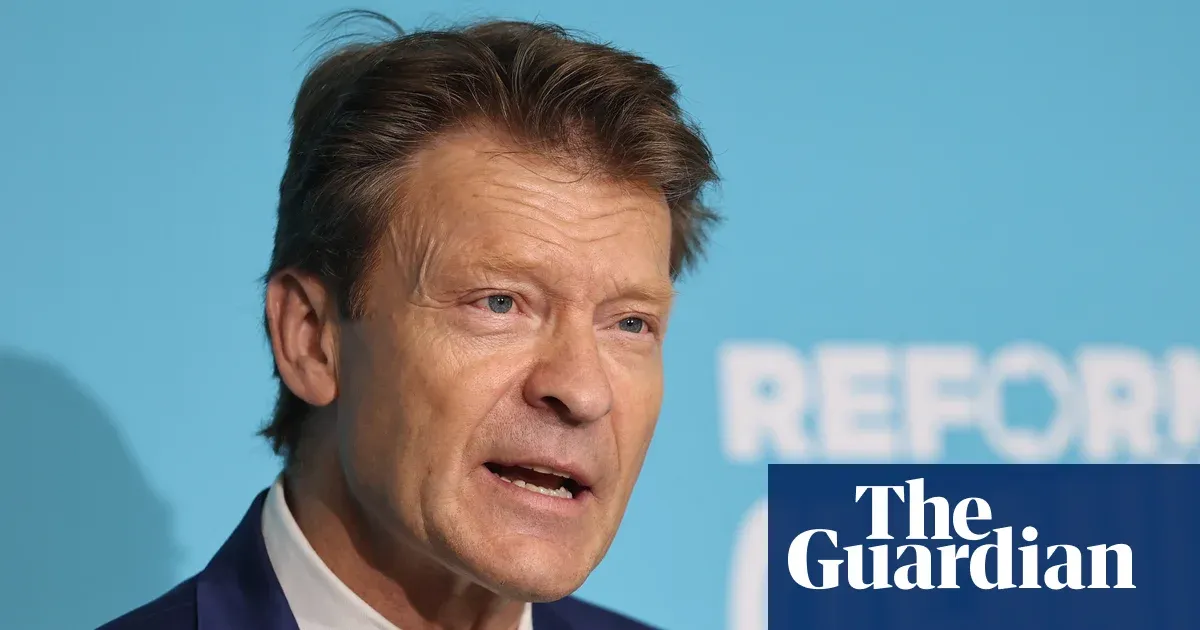
Standards watchdog opens probe into Reform UK deputy leader Richard Tice over interests
The parliamentary standards commissioner says it began an investigation on 28 July into a possible undeclared interest.