

Fidelity estimates $185K healthcare costs as retiree spending rises 7.5% YoY
The Fidelity Investments projection is higher than last year, and it has board-level budget and benefit-planning consequences.

Fidelity Investments estimates retirees may need $185,000 for healthcare, and the figure is up 7.5% from a year ago. For decision-makers, that increase tightens the margin for anyone assuming healthcare costs will track inflation more gently.
Fidelity Investments’ latest estimate says retirees may need $185,000 for healthcare, and that number is up 7.5% from a year ago. Read that as a budget warning, not just a finance curiosity. It means the “how much is enough” question for health spending in retirement is getting more expensive faster than many household assumptions, and the consequences ripple outward into how companies, plans, and investors think about risk.
Why does a single estimate matter? Because people design retirement plans around expectations. When Fidelity’s projection rises, it pressures the underlying math that retirees, employers, and benefit administrators use to set savings targets, coverage expectations, and plan structures. Even without additional details in the source, the direction is clear: the cost runway for healthcare in retirement has lengthened, and it did so within just one year. A 7.5% year-over-year jump is not subtle when it is tied to long-dated obligations.
To make sense of what $185,000 represents, it helps to understand the way healthcare costs behave over time. Healthcare is not like rent. In many settings, the spending profile includes insurance premiums, out-of-pocket costs, and care that tends to spike with age. In retirement, you are also operating under a different set of incentives. Households do not typically choose a “cheapest plan” in the same way they might during their working years, and they often prioritize coverage stability over price shopping. That shift can amplify cost pressure. On the company side, employers that sponsor retiree healthcare arrangements also face a similar economic reality: if expected healthcare costs rise, future funding needs and plan design tradeoffs become harder.
This is where the Fidelity estimate connects to the bigger policy and market backdrop. In the United States, retirement healthcare has long been shaped by a patchwork of public and private coverage options, plus rules that govern plan eligibility, spending, and reimbursement. Over the last several years, regulatory and market changes have influenced how premiums and out-of-pocket costs evolve, and how insurers price risk. When an industry benchmark like Fidelity’s estimate moves upward, it is a signal that the retirement healthcare burden is not holding still. Even if individuals and plan sponsors are not using the exact same model, the direction tends to reinforce the same budgeting instinct: assume healthcare is a major volatility driver.
There is also an investor and capital-allocation angle here. Healthcare spending in retirement feeds into demand for certain products and services, and it affects consumer balance sheets. If retirees need more, they may withdraw more from savings, adjust consumption patterns, or seek supplemental income. That can influence sectors tied to aging populations and health coverage ecosystems. Meanwhile, for boards and leadership teams, the estimate becomes part of the risk dashboard: it is another reminder that long-term liabilities can reprice when baseline assumptions shift.
For corporate decision-makers, the second-order effect is often operational. When healthcare projections change, companies revisit how they communicate with employees, how they manage plan transitions, and how they plan for benefits administration costs. Even in cases where the company does not directly pay retirees, the indirect impact can still show up in retention, workforce demographics, and employee expectations around what “retirement readiness” means. In plain terms: employees talk about healthcare costs. If a well-known financial firm says the number is higher, that narrative spreads.
For peers in similar roles, the stake is straightforward: if you plan around retirement healthcare costs that are too low, you can end up with shortfalls in savings targets, benefit budgets, or plan funding assumptions. Fidelity’s estimate being $185,000, and being 7.5% higher than a year ago, raises the bar for anyone building a retirement financial story. That might mean adjusting projections, stress-testing assumptions, or simply treating healthcare as a larger line item than last year’s models implied.
This story's Key Insights and Take-aways are locked.
Create a free account to unlock Executive Actions for one credit.
Register to UnlockAlways free for Executives Club members. Join the Club
More in Politics
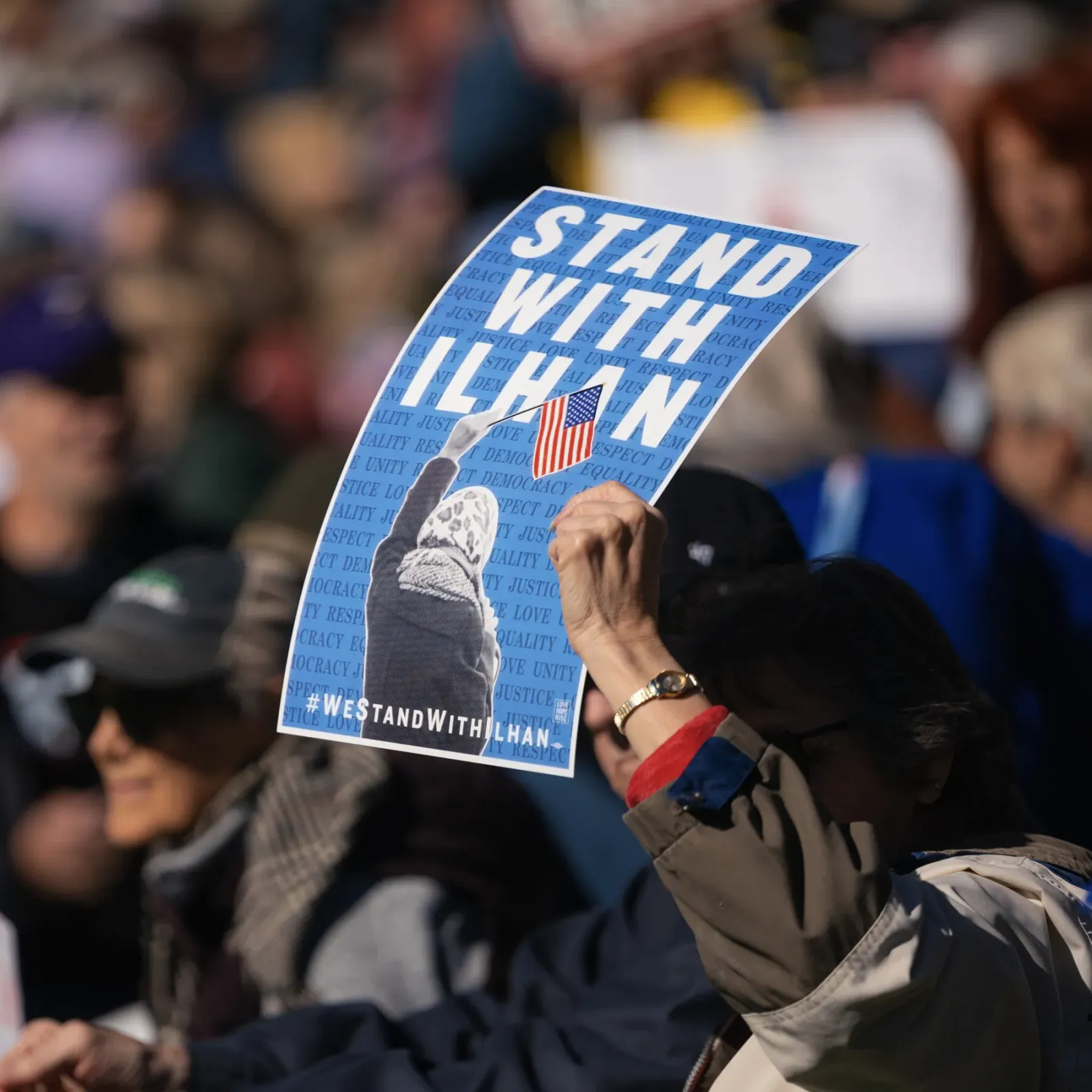
Obama Defends Ilhan Omar After Agents Search Her Home in Trump Inquiry
The former president's intervention raises the stakes in a federal probe into immigration paperwork that has put a prominent progressive lawmaker in the crosshairs.

Blair-era minister: cut welfare to fund youth job support
Alan Milburn's call for welfare cuts to fund employment support opens a Labour fight over benefits and the Neet crisis.

Hot September CPI: energy costs surge, voters feel the squeeze before midterms
The latest inflation print lands as Trump campaigns for GOP control of Congress, putting cost-of-living worries at the center of the midterm fight.