
Trump’s replacement tariffs hit 59 countries and the EU, keeping U.S. economy under pressure
A new tariff set is replacing expiring duties across 59 countries plus the European Union, with fresh economic stress.

President Trump imposed replacement tariffs covering 59 countries and the European Union to replace expiring ones. The move matters because it keeps trade costs and uncertainty alive even as older tariff rounds roll off.
President Trump slapped replacement tariffs on 59 countries and the European Union to replace expiring ones. That is the core point, and it matters because replacement is not a reset. It is a continuation.
When an administration “replaces” tariffs, the headline job is to prevent a tariff cliff, but the lived result is usually different. Instead of giving exporters and importers a clean runway to adjust, companies still face elevated costs, updated compliance demands, and ongoing planning uncertainty. In other words, even though the old tariff schedule was about to end, the economic pressure does not vanish. It gets reattached to a new set of countries.
For decision-makers, the immediate question is not just whether tariffs exist, but how predictable they are. Tariffs create a tax-like wedge between global supply chains and domestic buyers. Replacement tariffs keep that wedge in place for a defined set of trading partners. That can influence sourcing strategies, pricing decisions, contract terms, and inventory timing. Even if individual firms can absorb some cost swings, corporate finance teams tend to treat persistent tariff exposure as a continuing variable, which can tighten margins and complicate forecasting.
There is also a second layer that boards and executives pay attention to: operational friction. Tariff regimes are not purely economic. They come with paperwork, classification disputes, and compliance routines tied to where goods come from and what they are. When replacement tariffs are added to keep duties from expiring, operations leaders have to ensure their systems and trade documentation still line up with the new structure. For CFOs, that means the “cost” of tariffs is not only what hits gross margin. It can also include administrative overhead and the risk of costly errors.
From a market-context perspective, tariffs often show up in financial conversations as a macro factor that can affect demand and supply. If tariffs raise the price of imported inputs, domestic manufacturers may pay more to produce goods. If tariffs raise the price of finished products, downstream retailers and distributors can adjust pricing or reduce volumes. Either way, replacement tariffs can keep the pressure channel open across industries with exposure to the covered partner countries and the European Union.
There is a timing dynamic here too. Tariff expirations can temporarily improve expectations, because companies see a potential end to cost pressure. Replacement tariffs are designed to avoid that kind of relief. So even though the story here is “expiring ones” being replaced, the practical effect is that relief might not arrive as expected. Executives who plan around tariff sunsets may find themselves revising scenarios sooner rather than later, which can affect everything from procurement contracts to pricing strategies.
For leadership teams, the strategic stake is straightforward: tariff policy can change demand conditions faster than budgets can. If trade policy continues without a meaningful break, leaders generally have to treat tariff exposure as durable. That influences how aggressively companies pursue hedging strategies, how they evaluate alternative suppliers, and how they build contingency plans for margin compression. It can also shape how boards assess risk, because persistent policy uncertainty is harder to underwrite than one-time changes.
And for peers in similar roles, the signal is broader than one policy headline. Replacement tariffs covering 59 countries and the European Union show a willingness to keep economic pressure active rather than let a tariff regime unwind. That is the kind of development that prompts trading, operations, finance, and legal teams to coordinate quickly, because the next ripple is often not just “higher costs,” but a reshuffling of supply chain decisions, product pricing, and the internal data needed to defend compliance. In short: the replacement may have been framed as continuity, but for executives, it means the work continues too.
This story's Key Insights and Take-aways are locked.
Create a free account to unlock Executive Actions for one credit.
Register to UnlockAlways free for Executives Club members. Join the Club
More in Politics
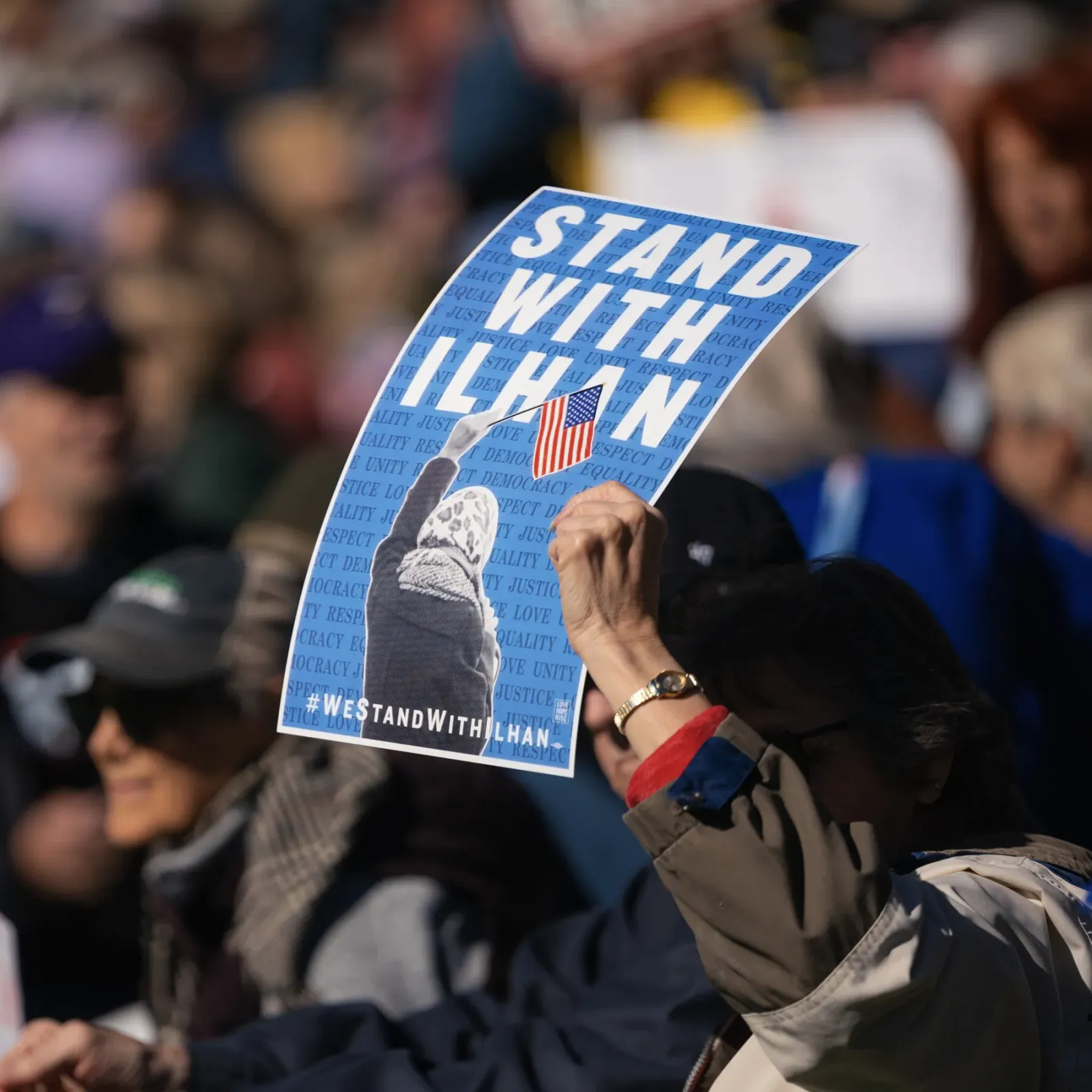
Obama Defends Ilhan Omar After Agents Search Her Home in Trump Inquiry
The former president's intervention raises the stakes in a federal probe into immigration paperwork that has put a prominent progressive lawmaker in the crosshairs.

Blair-era minister: cut welfare to fund youth job support
Alan Milburn's call for welfare cuts to fund employment support opens a Labour fight over benefits and the Neet crisis.
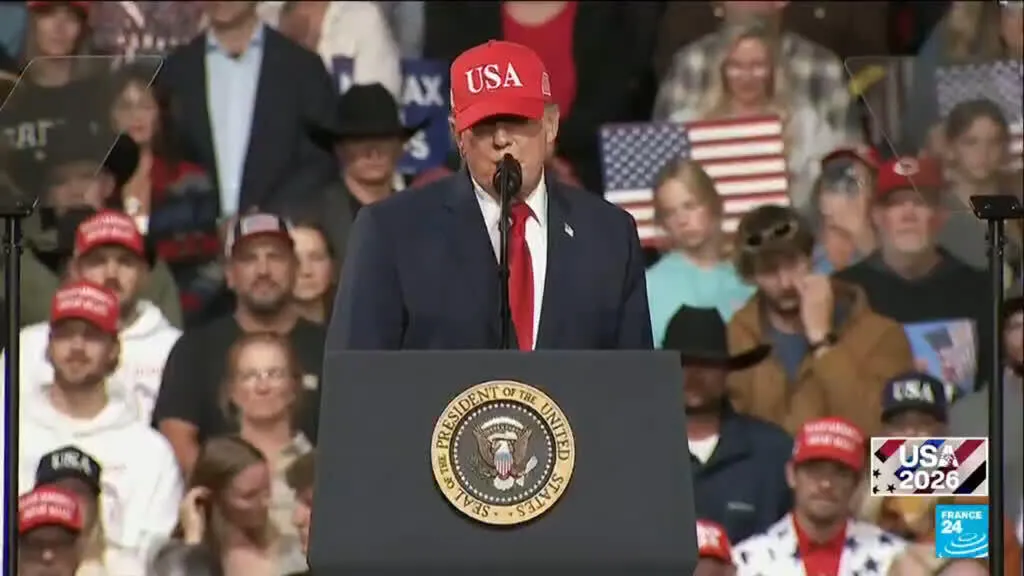
Hot September CPI: energy costs surge, voters feel the squeeze before midterms
The latest inflation print lands as Trump campaigns for GOP control of Congress, putting cost-of-living worries at the center of the midterm fight.