

Trump switched to old Air Force One at NATO after Secret Service pushed Turkey departure
A credible Iranian threat forced a routing change, putting the security of a Qatari-donated jet under scrutiny.
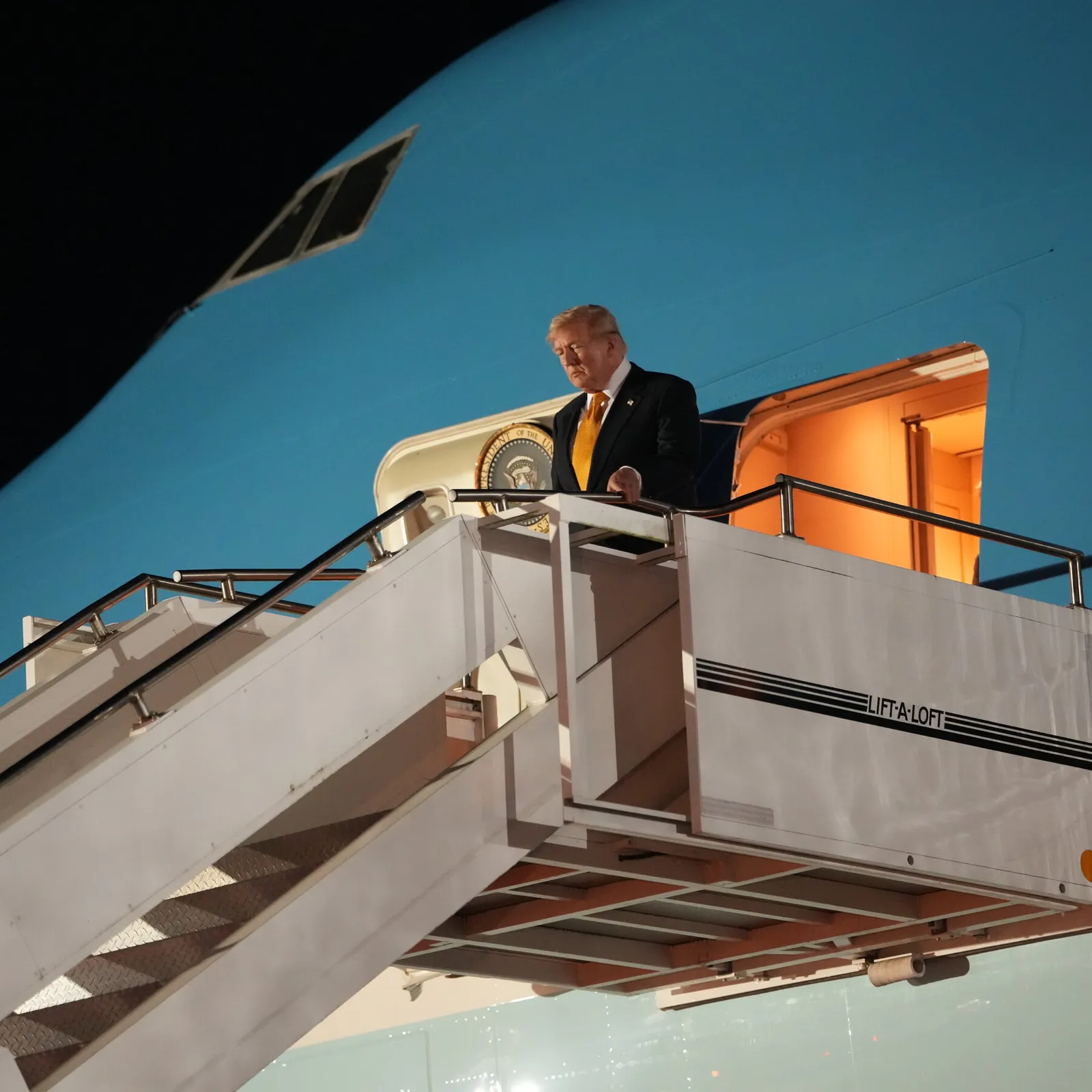
President Trump switched aircraft during a NATO summit after a credible Iranian threat prompted the Secret Service to urge a Turkey departure on the old Air Force One. The move raised immediate questions about the security and vetting of the Qatari-donated jet used for the trip.
President Trump switched to the old Air Force One at a NATO summit after a credible Iranian threat, according to the New York Times. The key operational detail is the pivot itself: the threat led the Secret Service to urge Trump to fly out of Turkey on the older plane rather than continue with the jet in use.
That matters because the decision was not just a logistics footnote. It directly raised questions about the security posture of the Qatari-donated jet. In other words, the threat was credible enough that the protection apparatus essentially changed the risk calculation mid-stream, selecting a different aircraft for the exit route.
For executives who think in risk management, this is a reminder that “security” is not one thing. It is a chain of assumptions: aircraft hardening, communications readiness, route planning, access controls, and contingency execution. When the Secret Service pushes for an aircraft change after a credible threat, it is signaling that some vulnerabilities are considered unacceptable for that specific platform and moment, even if the trip can otherwise proceed.
The NATO summit setting adds another layer. Summits compress high-visibility engagements into tight timelines, and they tend to concentrate decision-making authority in a small group under real time pressure. That can make security decisions look abrupt to outsiders, but to a security team it is often just the fastest way to reduce uncertainty. If multiple aircraft are available, the question becomes: which one can be operated with the highest confidence under the prevailing threat environment?
The mention of a “Qatari-donated jet” also drags in a category executives recognize, even outside politics: third-party assets used in high-sensitivity operations. When equipment, facilities, or platforms are tied to donors, partners, or contractors, the operational question is always the same. What has been inspected, what has been configured, and what remains outside the full control of the people who are ultimately accountable? Even if no vulnerability is explicitly alleged, a credible threat is enough to cause a reevaluation of whether the available options meet the strict standard required.
That reevaluation has second-order implications. In finance and governance, stakeholders worry about reputational spillover when a risk event exposes a gap in controls. Boards do not just ask “did we follow policy.” They ask “did our policies cover the edge cases, and did we test them under stress.” In this case, the stress is not a cyber breach or a data leak, but a credible state-linked threat that triggers protective action. If the protective action includes swapping aircraft, it implies the chain of trust for the alternative platform may not be perceived as equally reliable.
For decision-makers in corporate security, this also underscores how regulatory and compliance frameworks shape real-world behavior. Governments typically operate under layered legal and procedural requirements for protective operations, and those frameworks often intersect with military aviation standards, communications controls, and physical security routines. When the Secret Service urges a particular course of action, the underlying reality is that the operational team is working within those standards and cannot simply “assume away” threat uncertainty. That is the governance lesson: when the threat level moves, your standard operating procedures must move too.
There is also a communications dimension, even when no additional details are provided. A public pivot from one aircraft to another during a high-profile event invites questions from journalists, foreign governments, and watchful markets. Markets and counterparties do not just price assets; they price perceived competence and control. Even though this is political security rather than a corporate balance sheet issue, the logic is the same. A governance system is judged by how quickly it can reduce risk when facts change.
Ultimately, the strategic stake for peers is not “which plane.” It is how protective institutions and leadership teams behave when a credible threat forces a rapid reassessment of the risk surface. For executives and boards, the NATO summit aircraft switch is a live case study in how credibility of threat and confidence in specific assets can override inertia. When the Secret Service urges President Trump to fly out of Turkey on the old plane, it signals that in high-stakes environments, security decisions are platform-specific, and the cost of being wrong is measured in more than inconvenience. The question raised about the Qatari-donated jet is therefore not just political noise. It is a spotlight on how control, vetting, and assurance work when the environment turns dangerous.
This story's Key Insights and Take-aways are locked.
Create a free account to unlock Executive Actions for one credit.
Register to UnlockAlways free for Executives Club members. Join the Club
More in Politics
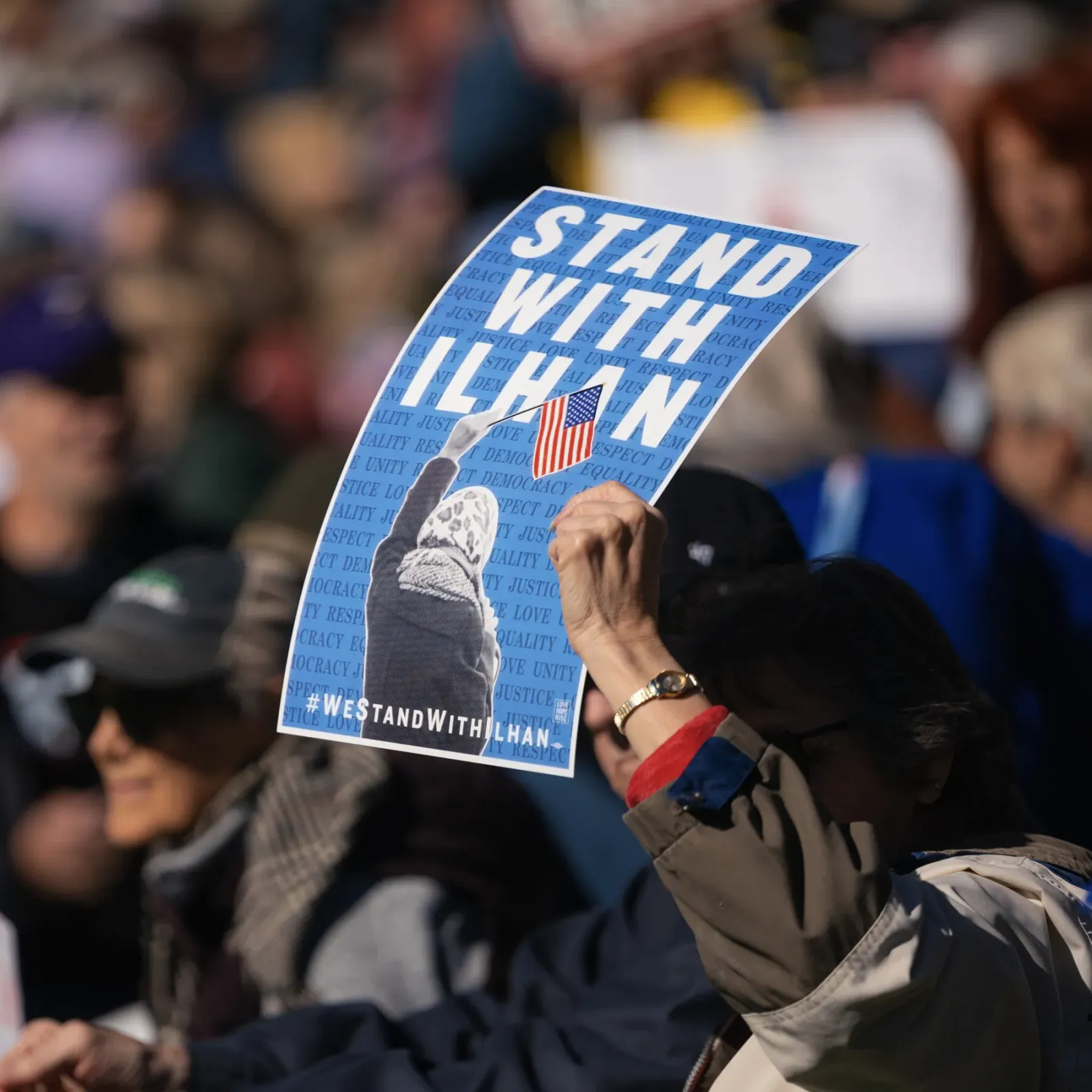
Obama Defends Ilhan Omar After Agents Search Her Home in Trump Inquiry
The former president's intervention raises the stakes in a federal probe into immigration paperwork that has put a prominent progressive lawmaker in the crosshairs.

Blair-era minister: cut welfare to fund youth job support
Alan Milburn's call for welfare cuts to fund employment support opens a Labour fight over benefits and the Neet crisis.
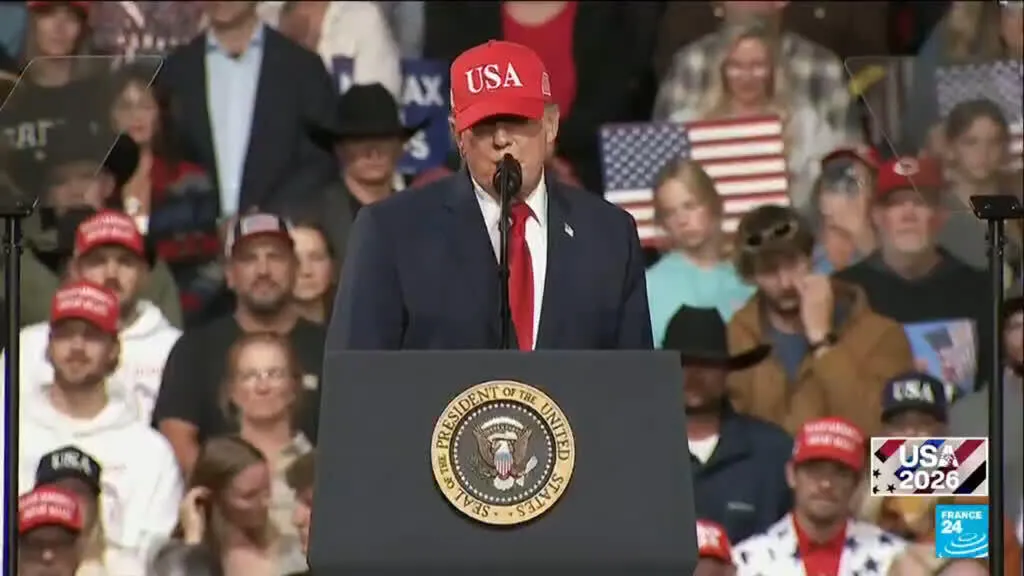
Hot September CPI: energy costs surge, voters feel the squeeze before midterms
The latest inflation print lands as Trump campaigns for GOP control of Congress, putting cost-of-living worries at the center of the midterm fight.