
FIFA flirts with a 64-team 2030 World Cup after China’s men miss 2026 again
Record revenue is coming, but FIFA is reportedly planning another expansion to finally pull China in.
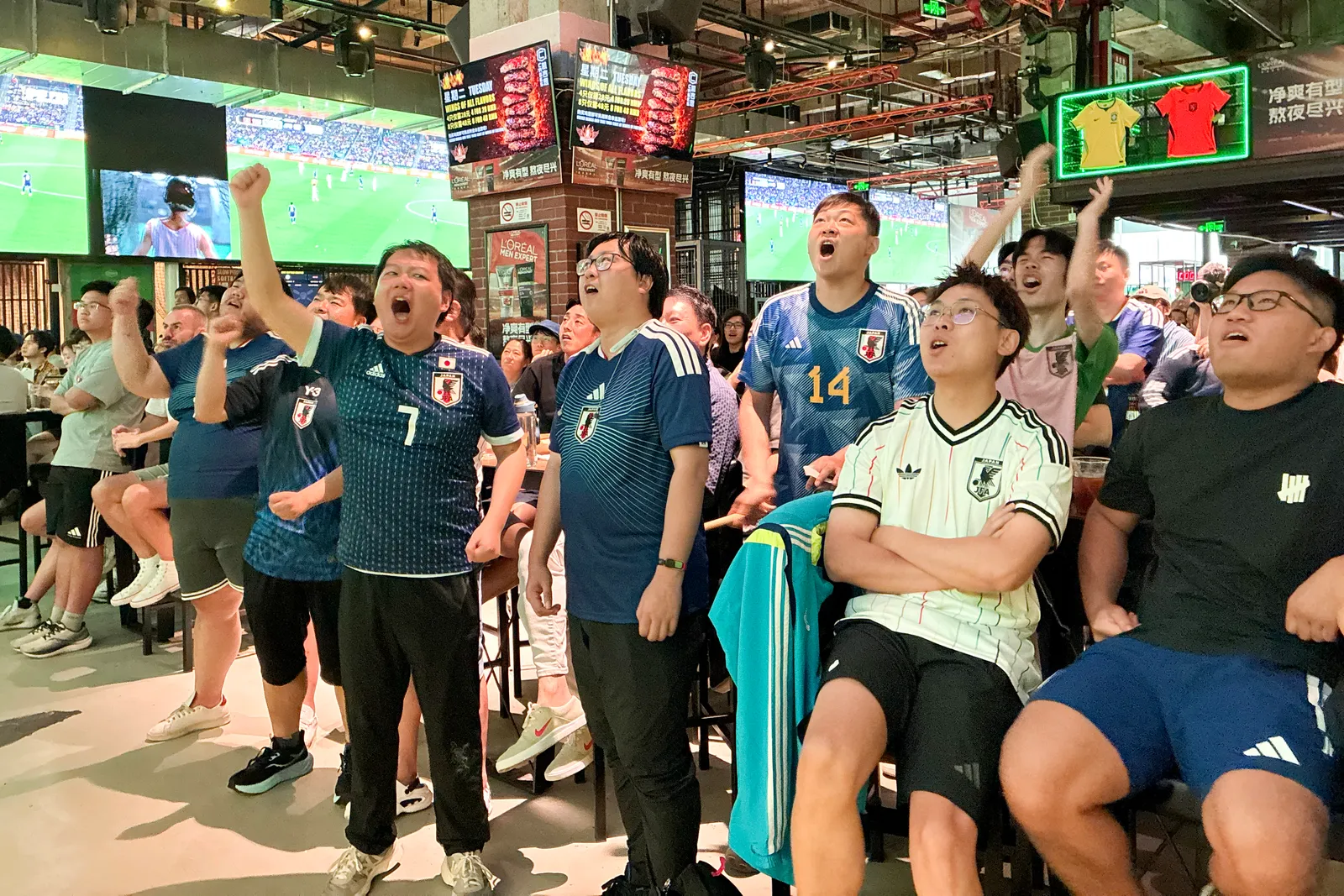
FIFA is expecting record-breaking revenue from the 2026 World Cup, yet China’s men’s national team still failed to qualify despite the tournament expanding to 48 teams. FIFA is now eyeing an expansion to 64 teams in 2030, in part hoping to attract China’s massive soccer fan base and market.
FIFA expects record-breaking revenue from the 2026 World Cup. But China’s men’s national team still missed qualification, even with the tournament expanding to 48 teams. That gap matters more than it sounds, because FIFA is now floating another expansion to 64 teams in 2030. The implied goal is straightforward: widen the pathway until China can get in, then monetize the country’s 1.4 billion people and their soccer obsession.
This is not just sports news. It is a market access story. FIFA is effectively treating China as a missed distribution channel. And while the 2026 format change already happened, the reality on the ground is that China’s team still did not make the cut. FIFA’s next lever is structural, not sporting: change the tournament size again, in hopes the Chinese team finally qualifies and pulls in a massive fan base that a FIFA marketer would very much like to reach.
The contrast highlights how stubborn the on-field problem has been. In Asian qualifying for the 2026 World Cup, the Chinese men’s team suffered a 7-0 loss to Japan. It also lost to Indonesia and tied Singapore. None of those opponents qualified either, but the scoreline paints a picture of a program struggling at the wrong time. The team has not exactly been a consistent global threat historically. China was an “Asian powerhouse” in the 1930s, but it has only qualified for the World Cup once, in 2002, and it failed to score a goal while losing all three games.
So why is the World Cup still missing China, and why is FIFA still betting on the missing country? The answer is a mix of incentives and football fundamentals. Sports analyst Hong Kong University Professor Xu Gouqi, who wrote a 2008 book on the role of sports in China, describes a political and social environment where criticizing the men’s football team is relatively consequence-free. He also connects China’s relationship with sports to national identity. In his telling, that matters because Xi Jinping came to power with the 2008 Beijing Olympics as a backdrop and pushed the idea that sports are tied to global stature.
Early on, Xi promised rebuilding the men’s national team with the aim of putting it on a path to winning the World Cup by 2050. That promise aligns with the Chinese Communist Party’s long-term blueprint for turning China into a “fully-modernized global superpower.” But the qualification results suggest a mismatch between long-term ambitions and short-term execution. Experts interviewed in the reporting point to reasons ranging from corruption to a top-down approach to athletics. Yet at the grassroots level, the explanation gets blunt.
Rowan Simons, a U.K.-born, Beijing-based author and founder of ClubFootball Beijing, frames it as participation math. China needs to build the football culture shared by World Cup nations. That culture is “built on large numbers actually participating in the game,” he says via e-mail. Registered youth soccer participation in China is still described as a fraction of countries with far smaller populations, like England. In other words, China can have passionate fans and still fail to produce enough match-ready players if kids are not playing.
Xu agrees on the cultural mechanism. He says China has a world-class football fan base, but “you don’t get kids kicking the ball around” for fun the way you see in South America or Europe. Parents, he says, often view football as a waste of time because the chance of success is not perceived as great, especially when another path, like getting into the best university, is seen as more reliable.
What makes this story feel consequential for executives is that FIFA is not waiting for China to solve those fundamentals on its own timeline. It is moving the tournament boundary conditions. If FIFA expands again to 64 teams for 2030, it will effectively lower the hurdle to entry. That could change who qualifies, and it also changes the commercial story: FIFA gets another shot at tapping the Chinese market that it believes it is currently leaving on the table.
Still, there is a twist in Xu’s outlook. He is not only optimistic that China can qualify. He argues the team can ultimately win. The route, he says, resembles an approach China has used for Olympic success: bringing in “the best and brightest from the kid level” from other countries. He points to Eileen Gu, the daughter of a first-generation Chinese immigrant mother, born and raised in Northern California but competing for China in freestyle skiing. Her gold and silver medals at the Winter Olympics in Milan-Cortina earlier this year made her one of the most decorated freestyle skiers in Olympic history. Xu suggests the same talent-capture concept could become a “major breakthrough in the idea of China.”
For decision-makers watching this, the second-order lesson is bigger than football. When a market is culturally primed but competitively underperforming, the commercialization lever can become the competition format itself. FIFA is betting that changing the structure will create the participation and talent flywheel later. Whether that works will decide if China shows up on the pitch, and if FIFA’s global revenue machine can finally stop seeing China as a near miss and start treating it like a core market.
This story's Key Insights and Take-aways are locked.
Create a free account to unlock Executive Actions for one credit.
Register to UnlockAlways free for Executives Club members. Join the Club
More in Business

Uber buys Delivery Hero for nearly $15B, vaulting to top food delivery outside China
The deal doubles Uber's dual-services footprint and pushes a ride-and-eats bundling play into 50 more markets.

Epic and Google drop settlement bid, forcing rival Android app stores by July 22
Google told the court it is ready to carry third-party app stores starting Wednesday, July 22.
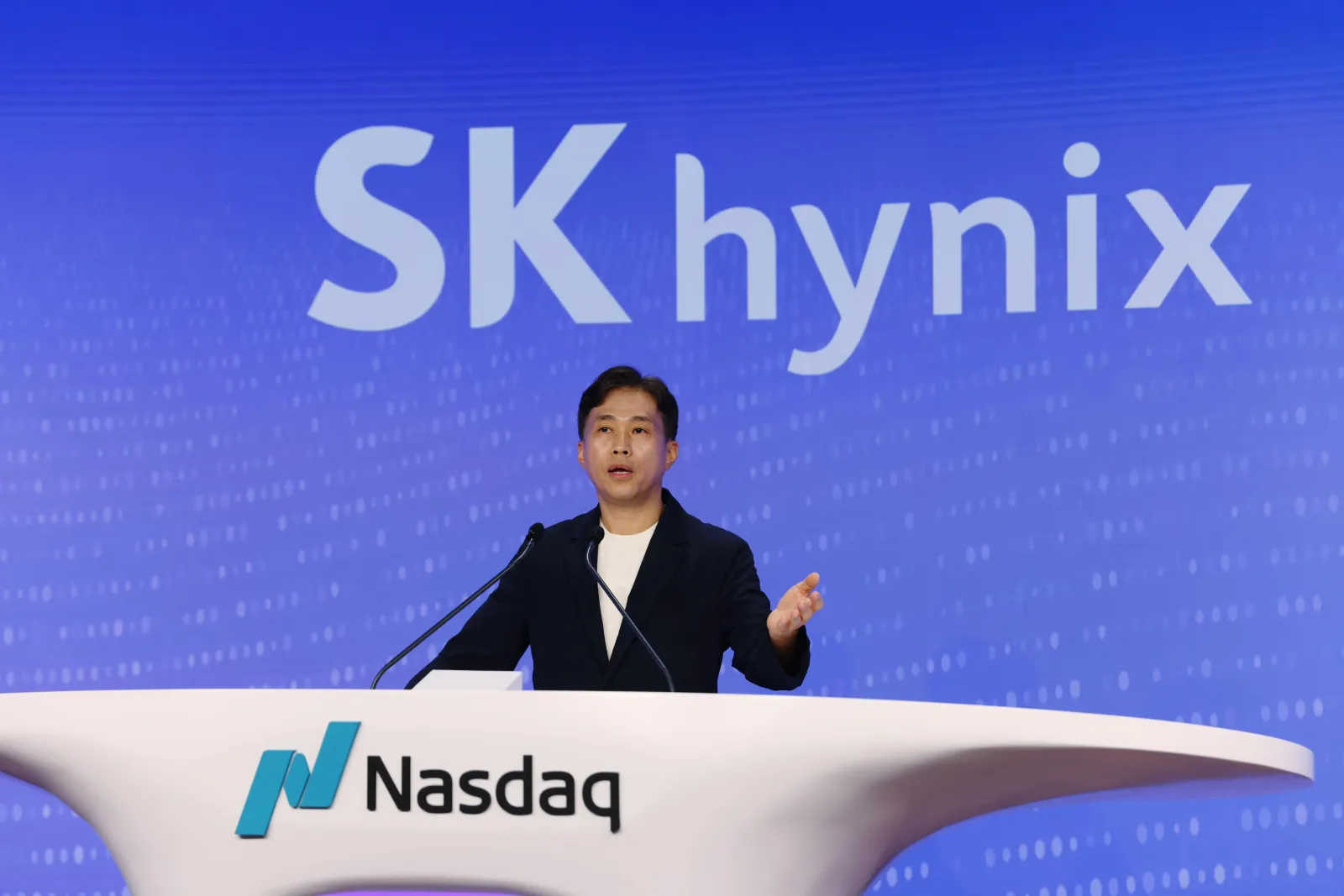
SK Hynix opens at $170, raises $26.5B, and tops foreign IPO records
In Friday's Wall Street debut, SK Hynix turns AI RAM demand into a $26.5B fundraising moment that rewrites comps.