

FIFA’s Infantino moved on Muhtaj’s exiled Afghan women’s team. Here’s what changed next
Afghan-Canadian captain Farkhunda Muhtaj explains how FIFA recognized an official national team and what’s still broken.
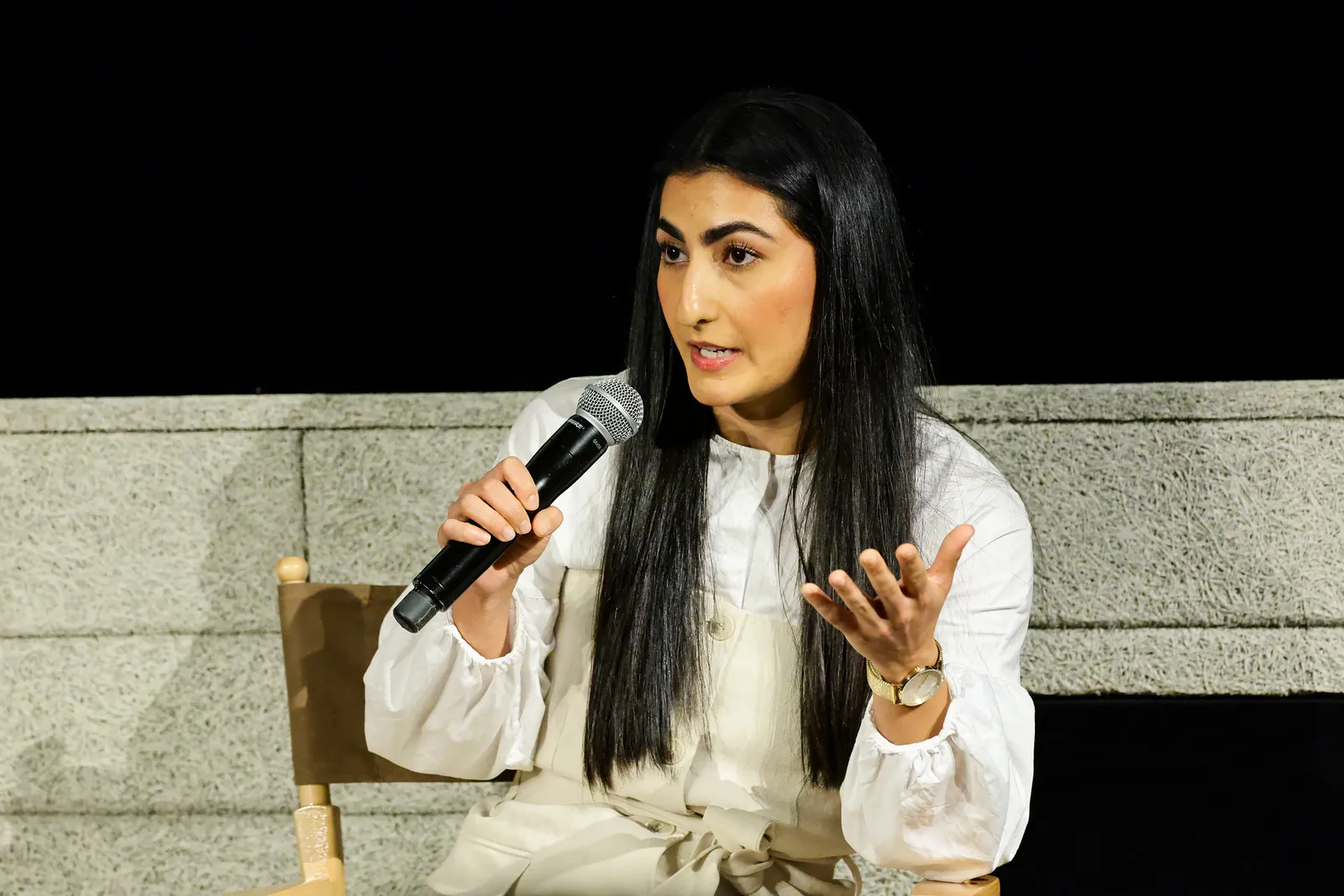
Farkhunda Muhtaj, captain of the Afghanistan women's national soccer team, says FIFA agreed to establish an official Afghan women's national team after years of Taliban bans and lobbying. The immediate consequence for decision-makers: the governance shift is real, but the program still needs years of rebuilding to catch up.
Farkhunda Muhtaj has been fighting to keep the Afghanistan women's national soccer team alive for years. Now, she says FIFA agreed to establish an official Afghan women's national team at the FIFA Congress in Vancouver, after Taliban bans stopped women from sport in 2021.
In her account, this isn’t just symbolic. Muhtaj, 28 and Afghan-Canadian, says President Gianni Infantino announced the start of the official national team at that Congress, and FIFA adjusted its governance so the team could become an official national team. That matters because Muhtaj describes how long it takes for recognition to turn into sustainability: the refugee pilot project was until June 30, which has “just passed,” and the next goal is building a program that can keep going, not just train in limbo.
To understand why Muhtaj has been so persistent, you have to see what happened after the Taliban returned to power in 2021. She says the Taliban banned women's sport participation, which also meant the Afghanistan Football Federation could not continue supporting the national women's team. And because the team effectively “no longer existed in 2021,” Muhtaj helped create a path that kept players training and competing: during the evacuation of the Afghan youth national team players to Portugal, she created the official Afghan youth national team. The point, as she frames it, was readiness. It was also a workaround for the lack of funding, since she says they trained and competed without any funding from FIFA or the Football Federation.
Since then, the team has been operating in exile, and Muhtaj has worn multiple hats at once. She helped lead the evacuation of Afghan soccer players when Taliban returned to power in 2021, she has lobbied FIFA to officially recognize the squad, and she has organized a team in exile while working to get players ready to compete again. All of that happens while she plays midfielder for Calgary Wild of the Northern Super League in Canada.
For executives and boards, the story is a reminder that “recognition” is a governance lever, not a ceremony. In Muhtaj’s telling, FIFA’s move was not only an endorsement of a team, it was an operational adjustment: FIFA “adjusted their governance” so the group could be an official national team. That is the kind of change that can unlock eligibility, legitimacy, and institutional support. But it still doesn’t solve the five-year gap she points to, because she says, from a national team perspective, they have not been active for five years. “We really need to catch up,” she says, and that catching up will be a process rather than an instant return to international standards.
Muhtaj also highlights the incentives and failures that come from how governments and crises compete for attention. She says it took many years for recognition that her team advocated for right from the beginning in 2021, and she contrasts support levels. On evacuation, she says she had incredibly positive experiences with American citizens who helped, while she felt the U.S. government did not provide the same level of support, calling what happened in Afghanistan “a failure from the U.S. government.” Her point is not only about goodwill, but about timing and follow-through. She argues that as geopolitics shifts, “there's always going to be something else that everyone focuses on,” and that delay makes the situation harder, especially when a team cannot play as a functioning national program.
The strategic implication is straightforward: when a league or regulator changes the rules, organizations should plan for the runway it takes to rebuild performance. Muhtaj describes a world where sport can’t replace state action, but it can still move society. She says the World Cup is sometimes described as one of the few genuinely global events left, and she asks whether we demand too much of sport. Her answer is nuanced: sport can drive social change, but it usually does not solve geopolitical tension by itself. Still, she argues fans can come away with different perceptions after watching and learning about players’ challenges, and she says it “humanizes the experience” of those players.
If you are a leader in sport, media, nonprofits, or any institution that relies on global recognition, her career arc turns into a playbook. Muhtaj ties football to integration, confidence, and transferable life skills for refugees and newcomers in Canada. She co-founded a nonprofit organization called Scarborough Simbas that uses sports to help ease the settlement and journey of refugees and newcomers to Canada through football. And she frames her message to young girls as: compete, but also give back. In her view, sport gives opportunities to change gender norms and perceptions around a country, while also reinforcing that people can have impact beyond the circumstances they face.
The stakes for decision-makers today are simple: FIFA’s governance adjustment is a start, but Muhtaj’s own timeline shows why “now recognized” is not the same as “ready to compete.” For teams and stakeholders in exile, the challenge is building sustainability after recognition, catching up after inactivity, and ensuring that recognition does not fade once the headlines move on. Muhtaj’s insistence on persistence, one step at a time, is not inspirational garnish. It is the operating reality of keeping a national program alive when the conditions that define a national team are under attack.
This story's Key Insights and Take-aways are locked.
Create a free account to unlock Executive Actions for one credit.
Register to UnlockAlways free for Executives Club members. Join the Club
More in Politics
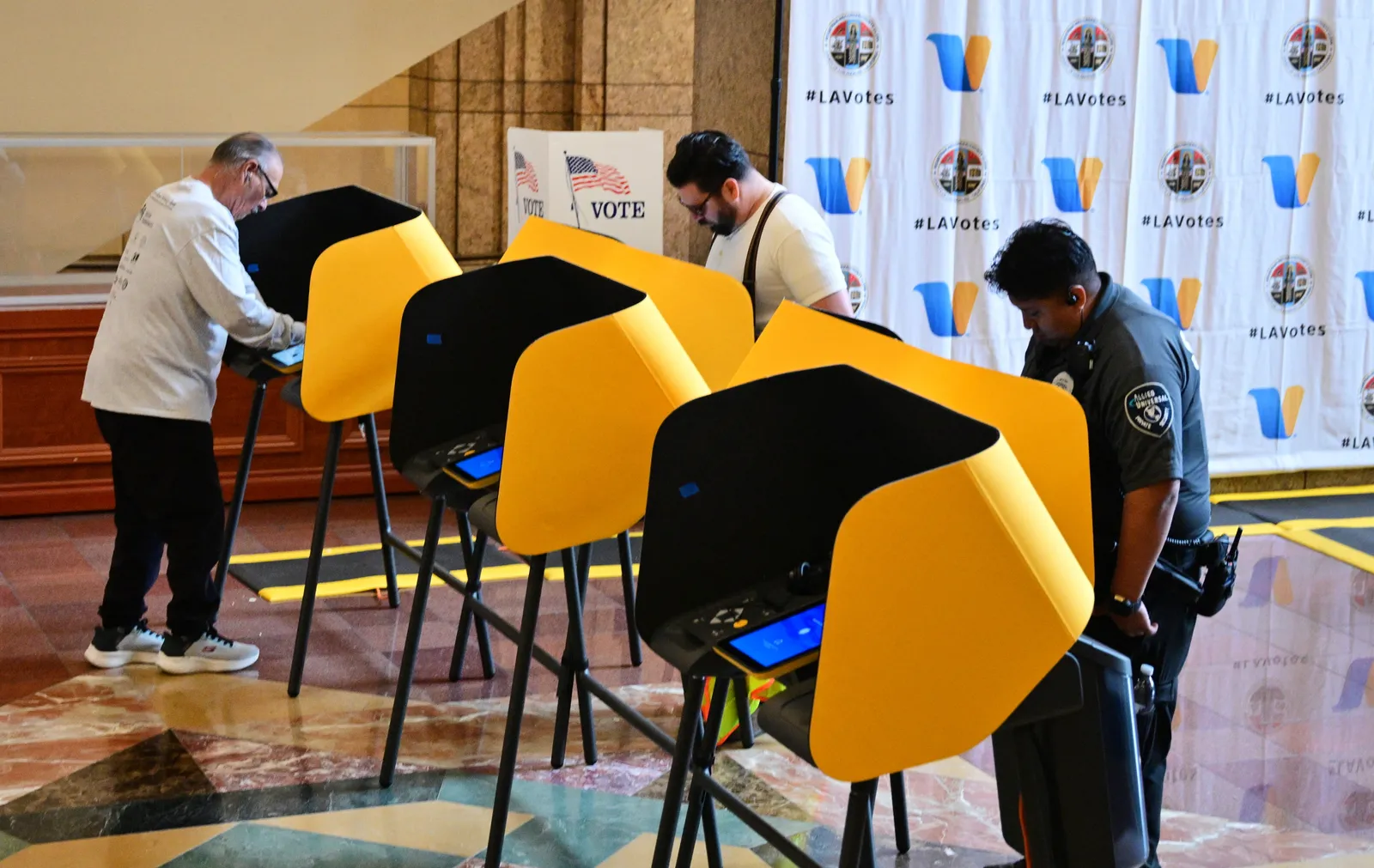
LA County: DOJ's 20,000 'noncitizen' voter list is 'unreliable,' includes U.S.-born
Preliminary review by Los Angeles County election officials finds errors in the federal list, raising the stakes for voter roll integrity ahead of November.
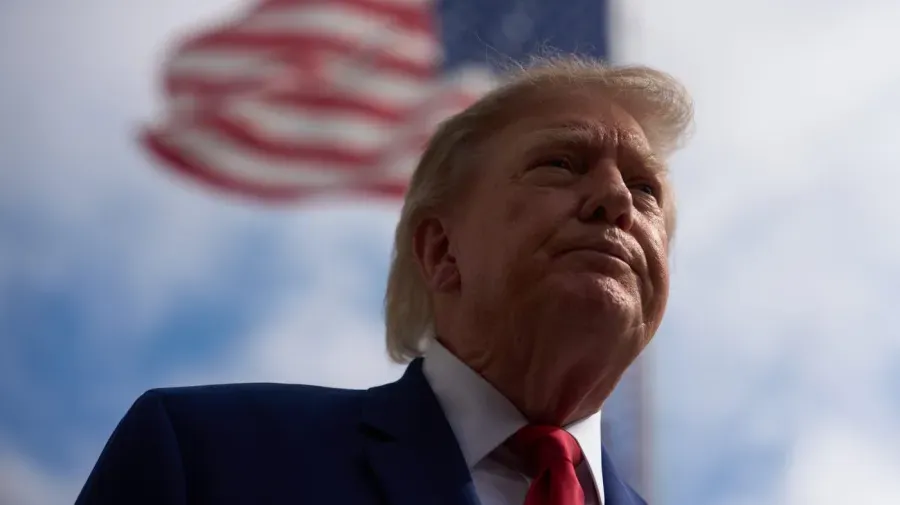
Trump's $1.5B Pentagon chip investment lands in North Carolina
A $1.5 billion defense infusion for North Carolina chipmaking signals a new era of Pentagon-backed reshoring - here's what it means for the industry.
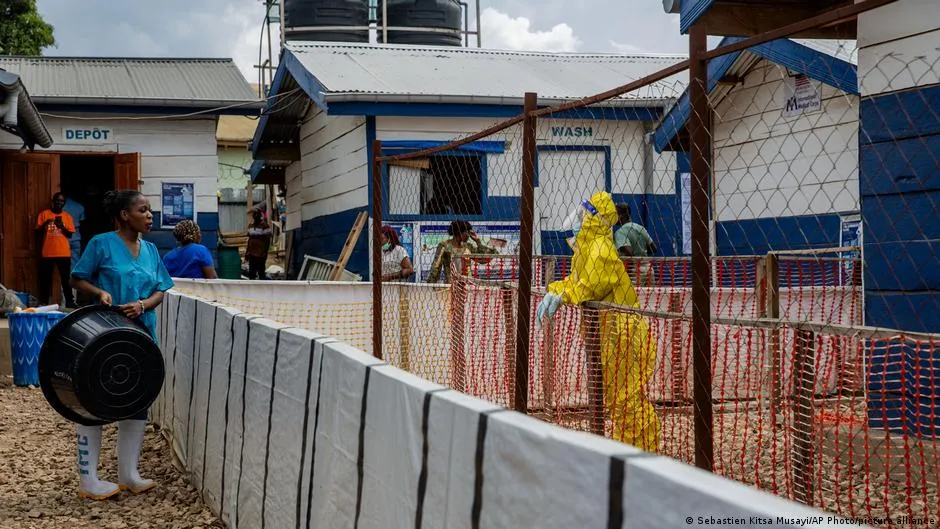
Nigeria confirms first Ebola case in Abuja, a woman just off a Uganda flight
Health Minister Muhammad Ali Pate says the patient flew in from Uganda, putting Africa's latest outbreak on Nigeria's doorstep.