

Final Fantasy 7 Revelation director says its open map is far bigger than Rebirth
A confirmed size-up to the world map changes how teams plan content, performance targets, and player retention.
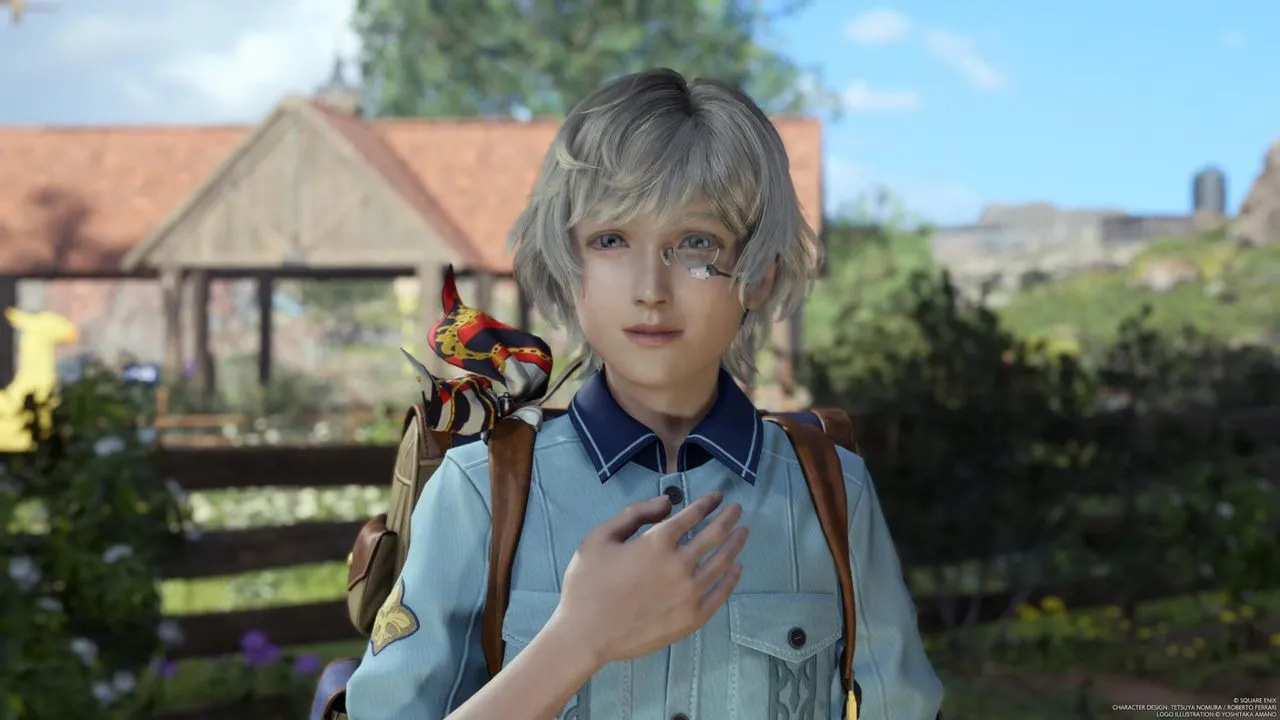
GamesRadar+ reports that the director of Final Fantasy 7 Revelation says the game’s open world map will be “far bigger” than Final Fantasy 7 Rebirth. The same interview frames it as incremental “touches and twists,” with at least some Rebirth locations changing.
Final Fantasy 7 Revelation is setting up a meaningful scope shift, and the director made the pitch in plain terms: the game’s open world map will be “far bigger” than Rebirth’s, according to GamesRadar+. If you are a studio leader or investor used to treating “open world” as a marketing label, that phrase matters, because it implies more than just dressing. It signals more traversal space, more content density decisions, more streaming and performance work, and more QA surface area.
The same GamesRadar+ coverage also says the team is not treating the sequel as a simple remix of what came before. “We’re actually adding a little bit of touches and twists to it,” the article reports. That matters for anyone tracking player expectations from Rebirth, because it sets up the possibility that some places will not feel exactly the way fans remember. In other words, even if the map is bigger, the experience may also be re-authored in targeted spots, rather than only expanded in size.
Zoom out one step and the stakes get interesting for how boards and executives think about risk. Bigger maps tend to create a specific kind of project math: content pipelines scale with geography, but budgets do not always scale linearly. You can easily end up with a world that is larger on paper while still struggling to deliver the same “moment-per-minute” feel. That is why the director’s framing of “touches and twists” is strategically important. It implies the team is focusing on the feel of locations, not just expanding the footprint. For decision-makers, this is the difference between “more stuff to test” and “more deliberate player experience,” which usually determines whether a game’s development schedule stays stable.
There is also a player trust component here, and it affects retention more than many execs like to admit. When a sequel modifies recognizable locations, players form expectations quickly. If those changes do not land, it can trigger backlash that is disproportionate to the actual production cost. If they do land, it can be a multiplier. The GamesRadar+ article’s mention that “some Rebirth locations aren't the way you remember them” is essentially a heads-up that Revelation is courting that gamble. Executives should interpret that as a signal that the team expects to win credibility through refinement, not through nostalgia alone.
From a market context perspective, Final Fantasy 7 is not just another franchise. It is a landmark IP with a globally distributed audience that mixes long-time fans with newcomers who judge quality through system-level polish. Open world scale is now a competitive requirement across many genres, so a “far bigger” map claim is also a message to peers: Revelation wants to compete on spatial ambition, not only story beats. That tends to force competitors and partners into a higher bar for traversal, fast travel logic, map navigation, and encounter pacing. In practical terms, if you are an exec at a studio shipping an open world game, you should treat this as a signal that player expectations for world size and reactivity will keep rising.
Now for the second-order implications, especially around execution. Bigger worlds typically intensify performance and stability requirements, because more geometry, more objects, more AI, and more streaming happen across a wider area. That can increase the cost of optimization and the number of edge cases in playtesting. It also changes team behavior: content designers, technical artists, and engineering need tighter coordination so new areas do not become performance sinkholes. Meanwhile, if the team is also changing how familiar locations play, you get an additional layer of rework, because prior assumptions about pacing and layout no longer apply. In a development calendar, that is how teams end up spending extra time in the “it feels off” zone, where the product is playable but not yet great.
For boards and capital allocators, the strategic stakes are straightforward. A “far bigger” open map sets expectations, and expectations are expensive. If Revelation delivers, it can justify higher engagement and stronger lifetime value, because bigger worlds often keep players exploring longer and returning more frequently. If it stumbles, the same scale can amplify disappointment. That is why the director’s emphasis on “touches and twists” is the most actionable part of the message: it hints that the team is trying to control the feel of the experience even as it expands. For executives watching the space, the lesson is simple. World size is not the strategy. Execution across familiar and changed locations is.
This story's Key Insights and Take-aways are locked.
Create a free account to unlock Executive Actions for one credit.
Register to UnlockAlways free for Executives Club members. Join the Club
More in Entertainment

Entertainer Russell Brand denies 7 sex charges amid accuser's 'couldn't breathe' claim
The alleged victim's account sharpens the reputational and legal stakes for Brand, his platforms, and any business tied to a public figure under criminal scrutiny.

Russell Brand's accuser 'bewildered and confused' as he denies 7 sex charges
The criminal case against the comedian is a live test of how media companies manage talent risk when serious allegations go public.

'It's a Magic Trick': Ballet Experts Say Rosalía's SNL Pose Is Impossible
Three ballet experts tell Rolling Stone Rosalía's gravity-defying SNL stillness shouldn't be possible - and why the debate is now part of the show.