
Financial groups sprint into Kyushu’s “Silicon Island” after policy push
Kyushu’s bid for tech funding is pulling banks and investors toward the “Silicon Island” orbit, reshaping where capital is looking.
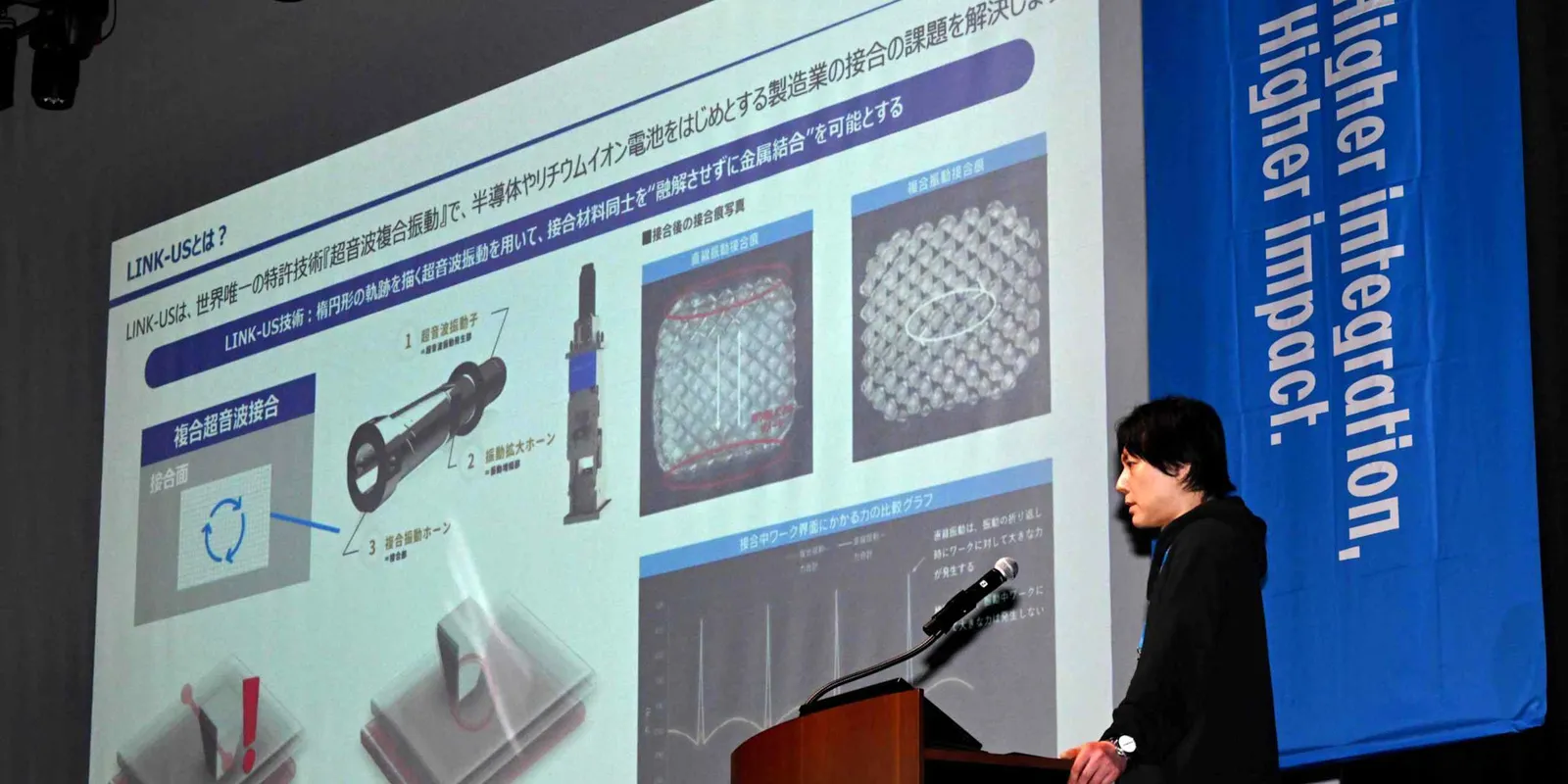
Nikkei Asia reports that Japan’s “Silicon Island” in Kyushu is drawing a rush of financial groups. For decision-makers, the move signals where Japan’s next wave of tech and semiconductor-adjacent investment may be concentrated.
Japan’s so-called “Silicon Island” in Kyushu is pulling in a rush of financial groups, and that matters because finance does not chase branding. It chases where deals, talent, and long-duration projects are likely to land. Nikkei Asia frames the trend as an acceleration, with more institutions moving to position themselves in Kyushu’s tech orbit.
If you are an executive trying to understand what is changing in Japan’s capital allocation playbook, the practical answer is simple: Kyushu is becoming a magnet, and financial groups are responding early. When lenders, arrangers, and investors start relocating attention to a specific region, it usually means they expect higher deal flow there, not just better photos at the ribbon-cutting. The “Silicon Island” label signals an industrial and innovation focus, but the investment rush is the real tell. It suggests financial institutions believe the region can support sustained activity, not just one-off pilots.
To understand why this kind of rush happens, it helps to zoom out to how financial groups operate in regional industrial ecosystems. In most markets, money follows clusters. A cluster is not only companies and labs. It is also the ecosystem around them: supplier networks, talent pipelines, procurement links, and the ability to scale projects through funding rounds or structured finance. Once multiple financial groups begin to show up in the same place, you get a subtle but powerful incentive dynamic. Everyone worries about missing the next wave of “starter” investments that later become larger funding opportunities. That is how early positioning turns into a competition.
Kyushu’s appeal is not happening in a vacuum. Japan has been working to grow regional innovation beyond the Tokyo core, and governments and regional bodies often try to make it easier for high-potential projects to access capital, sites, and partnerships. When public policy aligns with private capital, the result is a clearer pipeline that financial institutions can underwrite with more confidence. That alignment tends to reduce friction, especially around land use, permitting, research collaboration, and the kinds of long lead-time projects that can otherwise overwhelm smaller local initiatives.
There is also a boardroom angle that executives should care about: a regional investment rush can change how risk is priced. Financial groups that establish early ties with local platforms, universities, and industry partners can access information faster than those that arrive late. Faster information can translate into better screening, smarter structuring, and fewer surprises during execution. In other words, the rush is not only about “being in the right place.” It is about building a workflow advantage that shows up in investment committees, credit reviews, and partnership negotiations.
Second, more financial players moving into the same regional theme can shift negotiating power. As competition intensifies among banks and investors, it can increase the number of financing options for startups and growth-stage companies, but it can also concentrate deal ownership. A region that draws a crowd can quickly become selective. Projects that appear “mission-critical” to the cluster may win support, while others may get triaged. Executives running funds, banks, or corporate venture units should therefore watch not just whether capital is flowing, but which types of companies get the attention and what terms start to dominate.
For corporate strategists and finance leaders elsewhere in Japan, Kyushu’s “Silicon Island” pull is a signal worth tracking even if you are not based there. A regional hub attracting financial groups often means a regional talent and manufacturing ecosystem is maturing. That can create new customer pathways, new supplier opportunities, and new partner landscapes. It can also reshape competitive benchmarks, because the region’s best projects may attract both domestic and international interest. The strategic stake is straightforward: if you are slow to understand where capital is gravitating, you risk being out of the loop when partnerships are negotiated and when financing terms set a new baseline.
The headline takeaway from Nikkei Asia is that the financial rush into Kyushu is happening now, not later. For decision-makers, the move should prompt an immediate question: are you monitoring Kyushu’s deal flow like a trend, or treating it like a local story? In a world where funding cycles and industrial capacity are increasingly intertwined, early positioning can be the difference between partnering on the first round and competing for the leftovers.
This story's Key Insights and Take-aways are locked.
Create a free account to unlock Executive Actions for one credit.
Register to UnlockAlways free for Executives Club members. Join the Club
More in Business

Uber buys Delivery Hero for nearly $15B, vaulting to top food delivery outside China
The deal doubles Uber's dual-services footprint and pushes a ride-and-eats bundling play into 50 more markets.

Epic and Google drop settlement bid, forcing rival Android app stores by July 22
Google told the court it is ready to carry third-party app stores starting Wednesday, July 22.
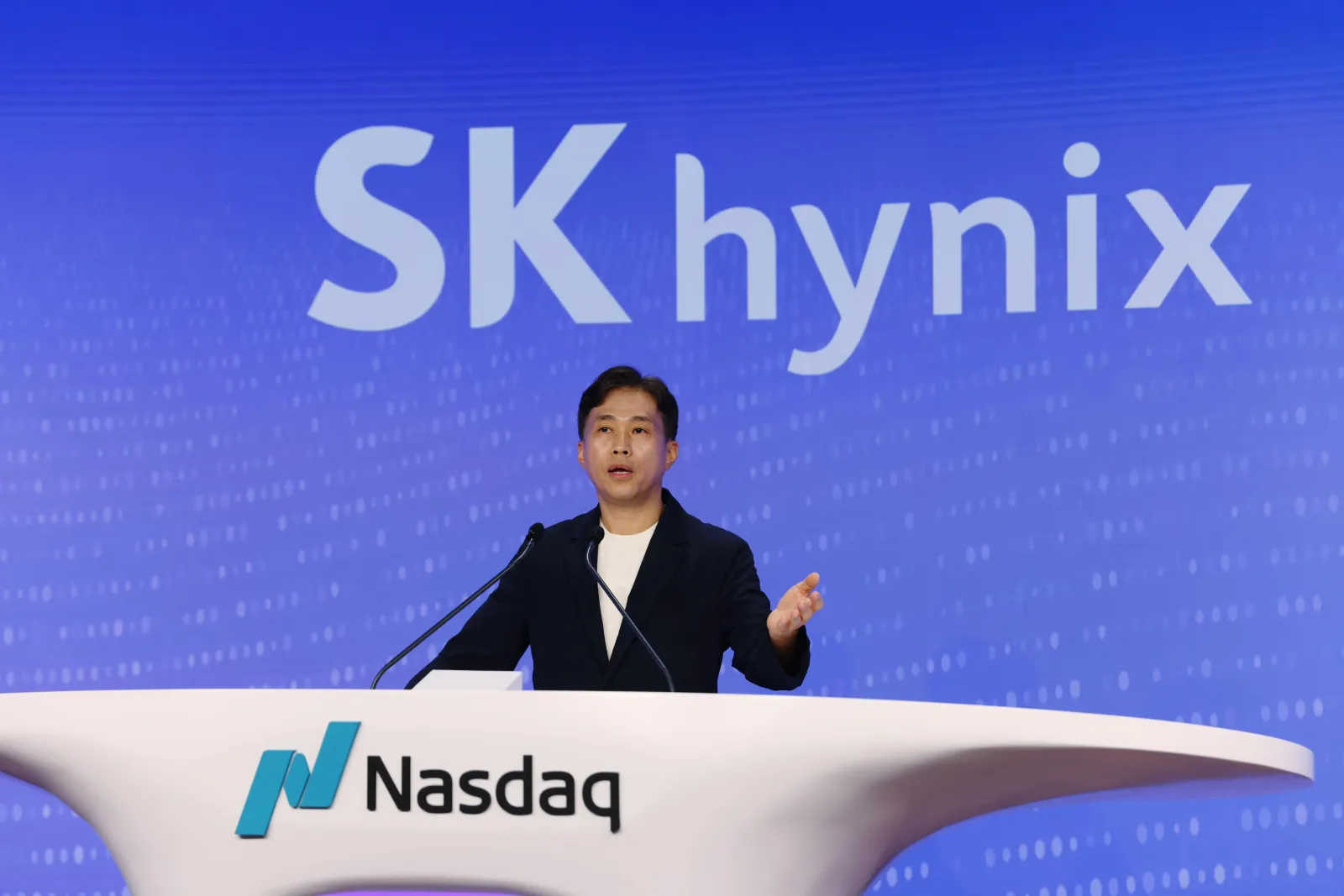
SK Hynix opens at $170, raises $26.5B, and tops foreign IPO records
In Friday's Wall Street debut, SK Hynix turns AI RAM demand into a $26.5B fundraising moment that rewrites comps.