

Fizz raises a $200M SAFE cap to scale ads and expand beyond colleges
Teddy Solomon says revenue is here, now Fizz wants global growth, a sales push, and a “graduate” plan.
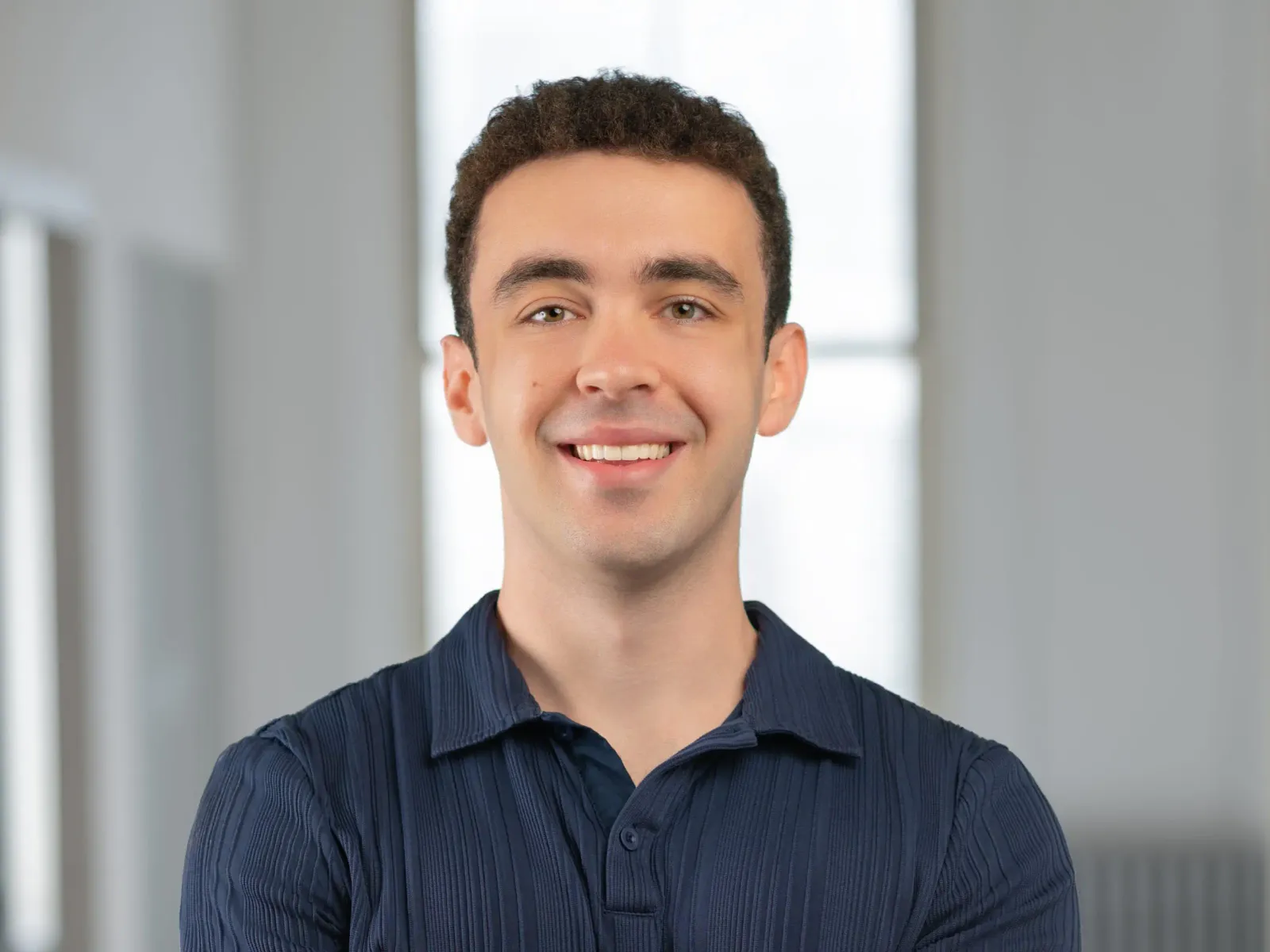
Teddy Solomon, cofounder and CEO of Fizz, says the college-only social app is ramping advertising and expanding globally after raising a strategic investment on a SAFE with a $200 million valuation cap. The move matters because it signals a shift from pre-revenue fundraising to building a durable ad business in an anonymous, brand-safety-sensitive space.
Fizz is trying to do the hard thing at the exact time everyone said you should not: monetize a college social app built on anonymity, then expand it beyond campus life. Teddy Solomon, the cofounder and CEO, says the company is now “bringing in revenue,” after previously raising capital while still pre-revenue. That funding and revenue shift is paired with an ad-focused expansion, including a new strategic investment structured as a SAFE with a $200 million valuation cap.
In other words, Fizz is moving from “cool app” to “ad machine,” and it is paying for the upgrade with investor capital and hires aimed at advertisers, not just users. Solomon says to scale advertising, Fizz needs “human capital,” with the right people to build stronger relationships with advertisers and potential partners. Fizz declined to share further financial details about the investment, but it followed its 2023 $25 million Series B with this new strategic raise, described by Solomon as a turning point for the business.
So what is Fizz, exactly, and why is this graduation plan anything more than a vibe? Launched in 2021, the app lets students post anonymously, similar to Yik Yak, and scroll a “for you” feed of recommended content. It also includes a marketplace where users can buy and sell items. Solomon frames it as a shared, hyperlocal social experience, in contrast to TikTok and Instagram’s highlight-reel entertainment. Fizz started at Stanford and is built around the moment when people want to meet, explore nearby, and talk in a low-stakes format.
The numbers suggest it found traction in the one place that matters first: campus. Fizz says it has more than 800 colleges onboarded. Solomon says it is “well north of a million users” in the US, with about half of active users using the app every single day. Sensor Tower data, cited in the piece, puts global downloads at more than 2.2 million. That is the usage footprint Fizz now wants to convert into something more durable: ad demand, more frequent advertiser budgets, and engagement that lasts after the ceremony.
To chase those outcomes, Fizz is expanding geographically while testing whether its “student” product can become a “generation” product. Solomon says Fizz is pushing into global markets, specifically the Middle East. It launched in Saudi Arabia and Kuwait earlier this year, and plans to roll out to more countries within the coming months. Solomon adds that Middle Eastern users are showing a behavior shift, using Fizz after college. The average age of Middle Eastern users on Fizz is 25, and since launching in Saudi Arabia this March, users have sent over 10 million direct messages on the app. Because of that pattern, Fizz is experimenting with rolling out a subscription plan for the region, but Solomon also makes clear that advertising is still the key to its US plans.
On the US ads front, Fizz is building out an advertiser-facing operation. Late last year, it hired Andrew Zalk, who worked at Flipboard for nine years, to run ads and brand partnerships. Solomon says the company is starting to build a sales team and an account management team and putting the right people “around the table” to scale properly. The current ad formats include branded polls, native app takeovers, and in-feed ads. Early advertising adopters include Sony Pictures, Amazon, AI companies such as Perplexity, and the prediction-market platform Kalshi. The app also lists study tools like Quizlet, plus dating apps like Cerca, as advertisers targeting college-aged users.
Targeting is part of the pitch, and Fizz is explicit about it: advertisers can target by specific college campuses or states, types of colleges such as Ivy Leagues, and age demographics. While the piece notes Fizz’s focus on the coming “back to school” ads, it also calls out the real risk: anonymous social networks are not always considered brand safe. Fizz has already faced scrutiny over its anonymous social feed, including a 2024 Wall Street Journal report that the app stirred discord in a high school. The company says it does not allow high schoolers, and that the app is rated 18+ on Apple’s App Store. It also says it uses a moderation system with both human moderators and an AI system to remove content that violates its guidelines.
That brand-safety tension is why the capital structure and the staffing plan matter. A SAFE with a $200 million valuation cap signals an attempt to accelerate growth without locking into a traditional equity valuation right now, while the “human capital” line signals that selling to major brands is not just about ad inventory. It is about trust, consistency, and the ability to keep the product within the boundaries advertisers require.
Finally, there is the strategic promise behind all this movement: social apps do not fail only because of tech. They fail because users stop showing up. Fizz is betting it can replicate the Facebook-era model of a shared social experience, starting in college and then expanding beyond it. Solomon describes the college moment in practical terms, roommates, friends, parties, clubs, restaurants, what is happening nearby, and then contrasts it with where he says he is now: “I’m 24 now.” He links that personal transition to a broader need in New York and beyond. Fizz plans to expand beyond the college market in the US in 2027 and says it would rather make the experience applicable to the entire generation.
For decision-makers watching this category, the subtext is clear. If Fizz can convert daily campus usage into advertiser confidence, then widen that usage into a post-college audience, it could become an uncommon kind of winner: an anonymous-first social platform with an advertising engine that does not collapse under brand risk. That is the bet behind the revenue claim, the ad hires, and the $200 million SAFE cap.
This story's Key Insights and Take-aways are locked.
Create a free account to unlock Executive Actions for one credit.
Register to UnlockAlways free for Executives Club members. Join the Club
More in Business
Comcast shares jump 25% as it plans to split NBCUniversal and Sky
The tax-free spin-off could reshape focus, funding, and competition across media and tech for years.

Bungie cuts most Destiny 2 staff as Sony says Marathon still matters
Herman Hulst confirms layoffs affecting most Destiny and some Marathon teams after Bungie admits Destiny fell short.

SK Hynix jumps 11% after seeking up to $29.4B in Nasdaq listing
The chip giant filed for a Nasdaq listing plan that could raise $29.4 billion, instantly reshaping investor expectations.